
Winter energy savings don’t have to come from expensive renovations or major lifestyle changes. Small upgrades—like better windows, smarter thermostats, and improved insulation—can drastically reduce heating costs while keeping your home cozy. The key is combining simple habits with smart improvements that make your space warmer, more efficient, and easier to manage.
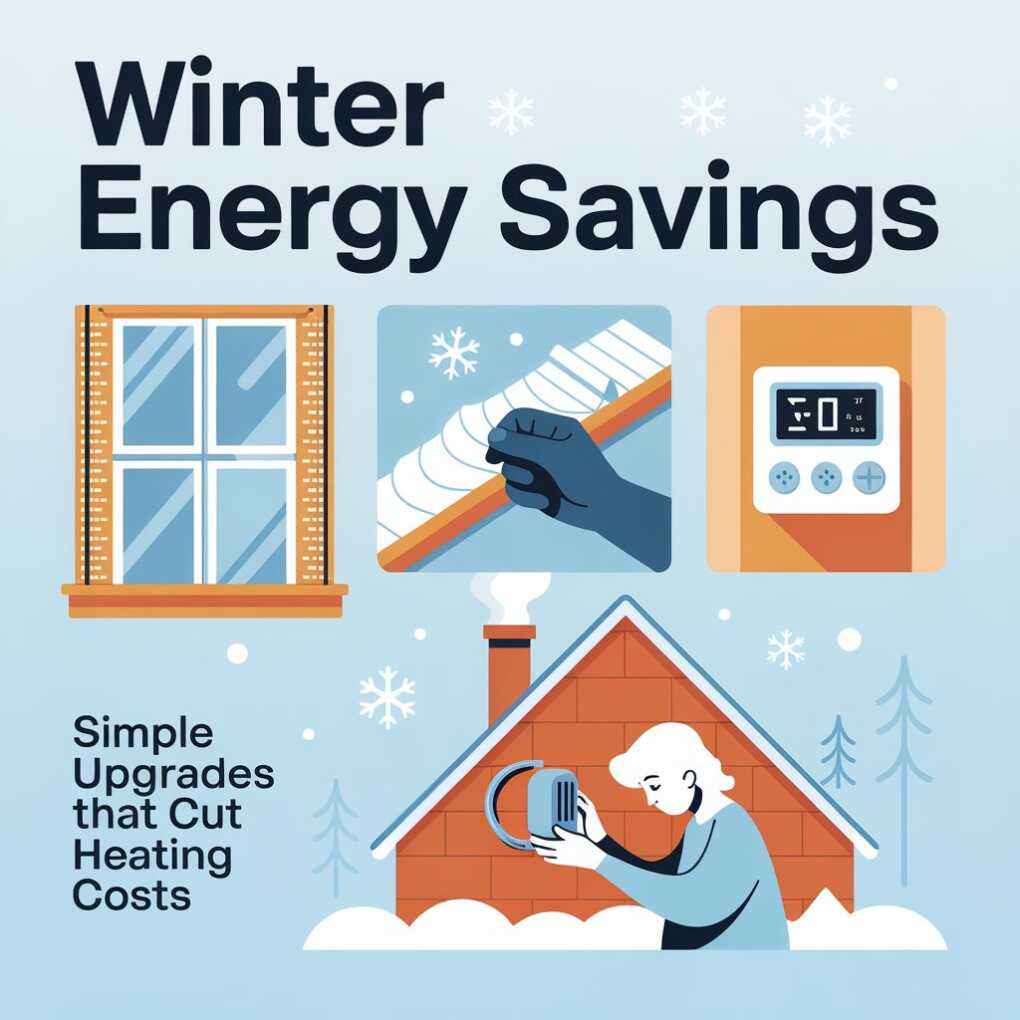
Upgrade Your Windows for Better Insulation
Old windows are one of the biggest culprits behind wasted heating energy. If your home still has single-pane or poorly sealed windows, you’re practically letting the warmth leak straight out. Upgrading to double or even triple-pane windows helps keep the indoor temperature stable and reduces the strain on your heating system.
Modern windows aren’t just glass; they’re part of your home’s insulation strategy. Energy-efficient models often come with argon or krypton gas fills and low-emissivity coatings that reflect heat back into the room. Over time, you’ll notice your energy bills drop while your home feels consistently warmer even on the coldest days.
There’s also a great middle ground if a full replacement feels too expensive at the moment. Installing window inserts for winter can make a surprising difference in comfort and energy savings. They fit snugly into your existing window frames, creating an extra layer of insulation that prevents drafts without the hassle of renovation work.
And don’t forget that insulation works both ways—it keeps your home cool in summer, too. By investing in better windows or inserts, you can improve your home’s efficiency year-round. The result is a more comfortable living space, fewer temperature fluctuations, and a noticeable reduction in heating costs once winter arrives.
Seal Gaps and Improve Home Insulation
Drafts are sneaky, and even small gaps around windows or doors can drain warmth from your home. If you’ve ever felt a chill while standing near a window, that’s a sign you’re losing heat. Fixing this is simple—adding caulk around window frames or using weatherstripping can make a big difference fast.
Attics and basements are also common sources of heat loss that many homeowners overlook. Adding insulation to these areas helps trap warmth where it belongs—inside your home. A well-insulated attic can significantly reduce heating costs by preventing precious heat from escaping through the roof.
Thermal curtains are another clever upgrade that’s often underestimated. They create a barrier that keeps warm air from escaping through the glass, especially at night. Door sweeps work similarly by sealing the gap at the bottom of your doors. It’s small adjustments like these that quietly improve comfort while saving money.
What’s great about improving insulation is that most of these fixes are low-cost and easy to do yourself. Once you seal up the gaps and layer your insulation properly, your heating system won’t have to work nearly as hard. You’ll notice the difference immediately in both temperature and utility bills.
Upgrade to a Smart Thermostat
A smart thermostat might sound like a luxury, but it’s actually one of the smartest energy-saving tools you can get. It learns your heating habits and automatically adjusts to keep you warm when needed and conserve energy when you’re not around. It’s an effortless way to balance comfort and savings.
With remote control through your phone, you can fine-tune your home’s temperature from anywhere. Imagine coming home from a weekend trip to a perfectly warm house—without having left the heat blasting the whole time. It’s convenience and efficiency rolled into one, something traditional thermostats simply can’t match.
Over time, you’ll start to see patterns in your energy usage. Many smart thermostats offer insights into when and how your heating system consumes energy. This kind of data can help you make small, meaningful changes that add up to noticeable savings every winter.
The best part is that it’s easy to install and provides immediate rewards. Once it’s set up, you’ll wonder how you ever lived without it. Smart thermostats don’t just cut your bills—they give you control, consistency, and the peace of mind that your home’s temperature is always just right.
Maintain and Upgrade Your Heating System
Even the most efficient heating system won’t work well if it’s neglected. Regular tune-ups by a professional help ensure everything runs smoothly and safely. This maintenance also extends the lifespan of your system, which means fewer surprise breakdowns when temperatures dip below freezing.
Something as simple as cleaning or replacing your filters can make a noticeable difference. Dirty filters block airflow, forcing your furnace to work harder and use more energy. When airflow improves, your system operates efficiently, and you stay warmer without cranking up the heat.
Upgrading to a high-efficiency unit may require an initial investment, but it pays off in the long run. These systems convert more fuel into heat, allowing you to achieve greater warmth with less energy. Additionally, modern heating units are generally quieter, cleaner, and easier to control.
Small details matter too—like bleeding radiators to remove trapped air or checking vents to ensure they’re clear. These steps help distribute heat evenly throughout your home. When everything’s working as it should, your heating system doesn’t just keep you warm—it saves you money without you having to think about it.
Use Energy-Saving Habits and Accessories
Sometimes the simplest habits can make the biggest difference. Keeping interior doors closed helps trap heat in rooms you’re actually using, reducing how much space your system needs to warm. It’s a small change that keeps warmth where you need it most instead of letting it spread thinly across the house.
Reversing the direction of your ceiling fans is another trick many people forget about. By spinning clockwise at a low speed, fans push warm air that’s risen to the ceiling back down into the room. It’s a simple move that can make your space feel cozier without turning up the thermostat.
Adding area rugs does more than make your home look nice—they also help insulate your floors. Hardwood and tile can get cold, but rugs trap warmth and make the surface feel more comfortable. It’s an easy way to add warmth and texture to your space while cutting a bit of heat loss.
And finally, there’s nothing wrong with layering up indoors and lowering the thermostat slightly. Even dropping the temperature by one or two degrees can save a surprising amount over time. You’ll find that with good insulation, a cozy blanket, and a few mindful habits, you’ll stay warm all winter without overspending.
Wrap up
Cutting heating costs isn’t just about comfort—it’s about being smart with your energy use. With small upgrades and mindful choices, you can stay warm without overspending. These simple changes not only lower bills but also make your home more efficient for every winter to come.