
Electrical safety should be a top priority for every homeowner. Whether you’ve just moved into a new property or have lived in your current home for years, being proactive about electrical safety can prevent accidents and save lives. Simple precautions and regular maintenance can go a long way in ensuring your family’s safety. If you ever feel unsure about repairs or safety in your home, consider connecting with trusted electrician services in Denver, CO, for professional assistance and peace of mind.
A secure home isn’t just about having solid locks and alarms; it also means being vigilant about unseen dangers like faulty wiring, overloaded circuits, and improperly used electrical devices. Educating yourself about these risks and staying up-to-date with regular checks can significantly reduce the likelihood of electrical emergencies.
Understanding Your Home’s Electrical System
Your home’s electrical system starts at the main service panel, which controls the flow of electricity throughout your house. Know the location of your circuit breakers and main shut-off switch. Understanding how to turn off power in an emergency can make a huge difference in keeping everyone safe. Review your electrical panel map, label critical circuits, and keep the area around the panel clear at all times. This knowledge empowers you to quickly resolve simple issues and avoid compounding hazards when something goes wrong.
Regular Inspections and Maintenance
Routine inspection of wiring, outlets, and appliances is crucial for ongoing safety. Watch for warning signs, such as frayed wires, blackened outlet covers, and unusual odors — all of which could indicate overheating or the beginning of an electrical fire. Don’t ignore buzzing sounds or sparks when plugging or unplugging items. Schedule an annual checkup with a certified professional to spot problems early and ensure your home’s system is up to code.
Safe Use of Electrical Appliances
Follow Manufacturer’s Instructions
Before using new appliances, carefully read and follow all manufacturer instructions for operation and safety. Incorrect use can quickly create a fire risk.
Watch for Overloading
Plugging too many items into one outlet or power strip can lead to overheating and circuit breaker trips. Use major appliances like refrigerators, microwaves, and washers on dedicated outlets, and never daisy-chain power strips together.
Unplug When Not in Use
Unplug smaller appliances when they aren’t being used — not only does this reduce fire risks, but it also saves energy. Keep cords organized and inspect them regularly for wear.
Proper Outlet and Extension Cord Usage
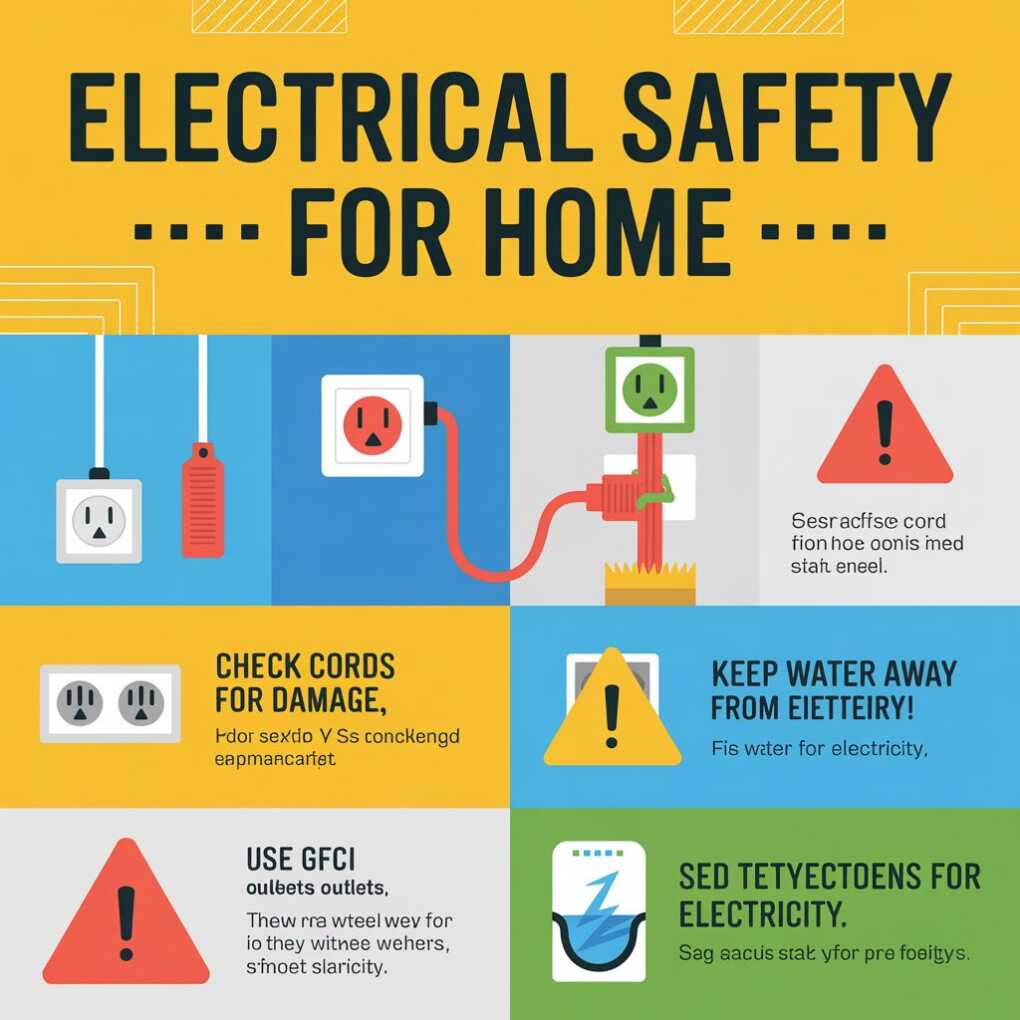
Extension cords are designed for short-term use. Never use them as a permanent solution — if you find yourself needing more outlets, contact an electrician to install them safely. Only use cords rated for the wattage of the devices you’re plugging in, and always check for certification labels from recognized organizations, such as UL or ETL. Avoid running cords under rugs or through doorways, as constant pressure or pinching can damage the insulation and expose wires.
Cords exposed to foot traffic or crimped by furniture are frequent sources of household fires.
Childproofing Electrical Outlets
If you have young children, install tamper-resistant (TR) outlets or secure safety covers on all accessible outlets. Curious hands could otherwise poke objects into sockets and receive dangerous shocks. Also, teach children about electrical dangers early on and set clear rules regarding their interaction with plugs, cords, and electrical devices. Store all loose cords and electronics safely out of their reach — safety starts with removing temptation wherever possible.
Handling Electrical Emergencies
Electrical Fires
If an electrical fire occurs, never attempt to extinguish it with water. Grab a Class C fire extinguisher or use baking soda to smother small flames, and call the fire department immediately. Make sure your family knows how to use a fire extinguisher and where it’s stored.
Electric Shock
If someone is shocked, do not touch them while the source is live. Instead, power down the source first. Once the current is off, call for medical help and start first aid only if you’re clear of hazards.
When to Call a Professional Electrician
Some problems are too complex or too risky for DIY fixes. Call a licensed professional if you notice persistent breaker trips, flickering lights, burning smells, or if you live in a house with old or insufficient wiring. Upgrading your system, replacing panels, or running new circuits all require specialized knowledge to prevent dangerous mistakes. A professional inspection is crucial before major home renovations or if your home is older than 40 years.
Conclusion
Making electrical safety a daily habit can substantially lower the risk of injury or fire in your home. By staying informed about your own electrical system, performing regular maintenance checks, using appliances thoughtfully, and calling professionals for complex issues, you build a safer living space. Protect your loved ones and property by staying diligent, adhering to best practices, and seeking expert help when needed. Safety starts at home — and it’s always worth the effort.