
Successful property management requires diligent attention to every central building system, and the roof is perhaps the most vital of them all. A roof not only protects the structure against environmental hazards such as rain, snow, wind, and sun, but also underpins the safety, comfort, and operational efficiency of the entire facility. When a roof begins to fail, the consequences can extend far beyond the structure itself, potentially affecting productivity, profitability, and even the health of building occupants. For many property owners and managers, working with a reputable commercial roofing provider like Deltaservices.com is an essential step towards safeguarding their building investment and ensuring smooth, uninterrupted business operations. Entrusting this major asset to professionals reduces the risk of unforeseen complications such as leaks, structural weaknesses, or even total roof failure, all of which could lead to significant disruption or forced closures. When roofs are neglected, minor issues can quickly escalate, posing safety risks, increasing maintenance costs, and disrupting building use.
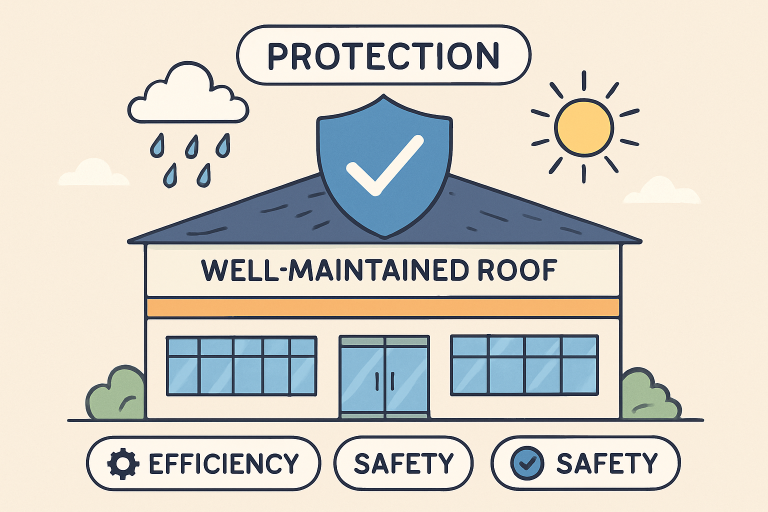
Proactive roof maintenance protects your building from the constant wear and tear caused by weather, debris, thermal shifts, and aging. Over time, materials naturally deteriorate due to exposure, making ongoing care essential. Ignoring these pressures may result in leaks, structural damage, and costly emergency repairs—threatening the long-term value and safety of your property. Additionally, regular maintenance helps prevent minor vulnerabilities from spiraling into major setbacks. By prioritizing regular inspections and timely interventions, you maximize your roof’s lifespan, keep your operations running smoothly, and avoid the stress and financial drain of unexpected, large-scale repairs that might disrupt your business.
Preserving Structural Integrity
The integrity of a commercial building depends heavily on the resilience of its roofing system. Environmental factors such as rain, wind, hail, and UV radiation can erode roofing materials over time, compromising the system’s ability to provide adequate protection. When these factors are left unchecked, they not only degrade the roof but can also impact the underlying building structure. By scheduling routine inspections and promptly addressing minor deterioration—such as fixing small punctures, securing loose flashing, or clearing blocked drains—property owners can avert costly water damage, mold growth, or even structural failures. Early intervention not only saves money but also preserves the property’s market value and reputation. Preventing water infiltration is especially critical, as moisture can travel far from the original point of entry, causing hidden damage in walls, ceilings, and insulation, which is much more complex and costly to address.
Enhancing Energy Efficiency
Energy costs constitute a significant portion of operating expenses for commercial properties. The roofing system plays a crucial role in insulating the building envelope and regulating indoor temperature, helping to buffer interior spaces against outdoor conditions. When a roof is maintained in optimal condition, free from leaks, with proper insulation in place and reflective coatings intact, energy loss is minimized, and HVAC systems run more efficiently, translating into lower utility bills and a reduced carbon footprint. According to the U.S. Department of Energy, energy efficiency measures, including proper insulation and building envelope management, are key strategies for cutting costs and improving sustainability. Furthermore, well-maintained roofs can support the adoption of sustainable building practices, such as installing solar panels or green roofing systems, which offer additional savings and marketing appeal. Routine roof care also ensures that the building remains a comfortable environment for occupants year-round, contributing to employee productivity, tenant satisfaction, and the long-term retention of critical personnel or business partners who depend on a consistent, comfortable environment.
Ensuring Compliance and Safety
Staying compliant with local building codes and safety regulations is non-negotiable in commercial real estate. Roof inspections conducted by certified professionals help identify and mitigate hazards such as loose materials, ponding water, or inadequate drainage before they become liabilities. In many jurisdictions, failure to address such issues could result in fines, legal claims, or even the forced closure of the building until the issues are remedied. This not only helps properties avoid violations and fines but also ensures the safety of all occupants, whether they are employees, tenants, or visitors. Proactive safety measures reduce the risk of slips, falls, or accidents associated with compromised roofing and drainage systems. Fostering a safe environment builds trust with tenants, visitors, and the surrounding community, supporting a positive reputation, and ultimately protecting your investment in the property.
Extending Roof Lifespan
Regular preventive maintenance significantly extends the useful life of a commercial roof. Even the highest-quality materials can deteriorate prematurely if not properly maintained. By repairing minor damage early, such as replacing cracked membrane seams, resealing flashing, or correcting ponding water, property managers can delay the need for complete roof replacement, which is often among the most expensive capital expenses for commercial buildings. According to Consumer Reports, simple steps like inspecting for leaks, cleaning debris, and maintaining roof coatings can significantly prolong roof longevity. Additionally, comprehensive maintenance programs include scheduled cleanings and debris removal, which can prevent blockages and subsequent water pooling. These programs may include measures such as checking and cleaning gutters and downspouts, inspecting roof penetrations, and treating surfaces to prevent algae or moss growth. Investing in ongoing care is ultimately less expensive and less disruptive than dealing with premature roof failures or unplanned structural renovations. The cost of routine maintenance is a fraction of what would be spent on emergency repairs or complete roof reconstruction due to preventable neglect.
Reducing Liability and Insurance Costs
Insurance companies often reward properties that demonstrate a proactive approach to roof maintenance with lower premiums, as these buildings present reduced risks of water intrusion, collapse, or related liabilities. By documenting regular inspections and prompt repairs, property owners signal to insurers that risks are being actively managed and minimized. On the other hand, neglected roofs can lead to denied claims in the event of a disaster, exposing owners to substantial out-of-pocket expenses and legal challenges. This can also make it more difficult to obtain favorable insurance terms in the future should the property’s history reflect lapses in maintenance. Ensuring documentation of regular professional inspections and repairs can be instrumental in securing optimal insurance terms and avoiding disputes in the event of damage claims.
Protecting Assets and Operations
A building’s roof serves as the first defense line for everything contained within—from inventory and technology to machinery and furnishings. Any breach can have severe consequences, including property loss, operational disruptions, or contamination of sensitive goods. For industries reliant on strict climate control or dust-free environments (such as food storage or pharmaceuticals), maintaining indoor environmental control is imperative. Even something as seemingly minor as a slow roof leak or slight insulation failure can halt operations or ruin valuable equipment, making commercial roofing care a core aspect of risk management and business continuity planning. Besides the financial impact, such incidents can damage relationships with clients and stakeholders, eroding confidence in your ability to deliver consistent service.
Conclusion
Prioritizing regular commercial roofing services delivers tangible returns through asset protection, reduced liability, energy savings, and operational efficiency. Proactive roof care is not only about maintaining appearances but about ensuring the long-term resilience and value of your property. It protects your reputation as a responsible property owner and reduces stress by averting crises before they develop. By making roof maintenance a central part of your property management strategy, you position your business for growth, safety, and lasting success. A strong focus on roofing care demonstrates foresight, reinforcing your commitment to quality, safety, and the enduring prosperity of your investment.