
A home renovation often begins with excitement. You imagine a better flow, more comfort, and a space that finally fits how you live day to day. But as planning moves forward, that excitement can quietly turn into stress. Decisions start piling up, details feel harder to track, and questions appear earlier than expected.
If you are renovating in a city like New York, this feeling can be even stronger. Homes here often come with character, history, and building rules that are easy to overlook at first. You want your space to feel renewed, but not at the cost of its original charm, your budget, or the rhythm of daily life.
The comforting part is that most renovation stress comes from a few predictable places. When you understand where it starts and how to approach it calmly, the process becomes far more manageable. This article walks you through exactly that.
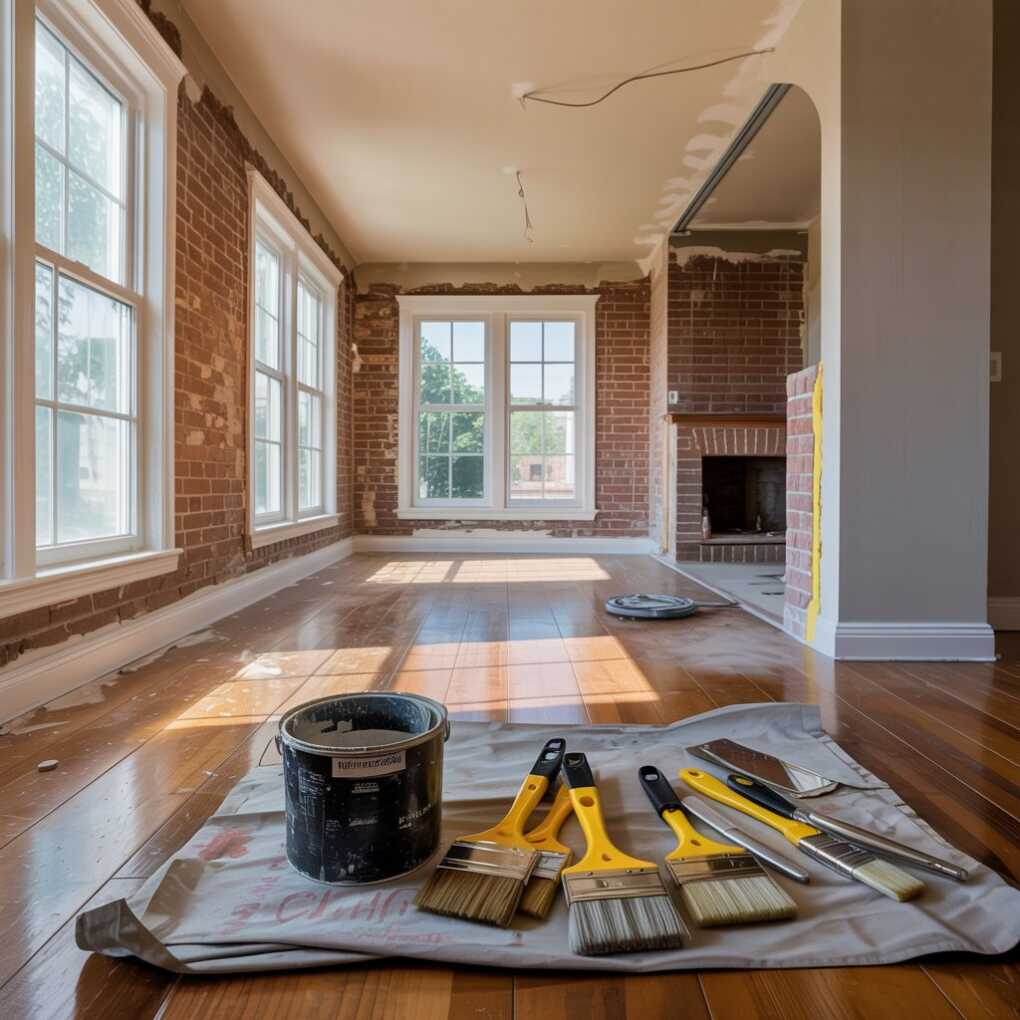
Stress Point #1: Losing the Original Character of the Home
One of the quiet fears many homeowners carry is that once renovation work begins, the home may stop feeling like the place they fell in love with. It is not about specific finishes or fixtures. It is about the overall feel of the space. The way light enters a room. The proportions that make a layout feel comfortable. The details that give a home warmth and familiarity.
This stress especially appears when renovations focus on older homes and city apartments, where character is not just visual. It is tied to structure, flow, and how the space has been lived in over time.
How To Overcome
The most effective way to protect your home’s character is to treat renovation as interpretation, not replacement. Before plans are finalized, take time to identify what truly defines your space. This could be the layout, ceiling height, natural light, or original details that give the home its personality. When these elements are clear early on, decisions feel more intentional and far less stressful.
Working with renovation experts who have experience in home renovation New York projects can also make a meaningful difference. Seasoned teams such as Hobbs, Inc., are familiar with the realities of city homes and understand how to work with existing structures and original finishes. They pay close attention to how new materials will sit alongside original elements and how small construction details affect the final feel of the space. This helps modern updates blend naturally into the space, so the home feels refreshed without losing the qualities that made it comfortable and familiar.
Stress Point #2: Budget Creep and the Fear of Unexpected Costs
Another stress point that often surfaces mid-renovation is the feeling that the budget is slowly slipping out of reach. It usually does not happen all at once. Instead, it builds quietly. A material upgrade here, a necessary adjustment there, and suddenly the original budget feels more like a rough estimate than a reliable plan.
This kind of stress is not only about spending more money. It is about uncertainty. When costs feel unpredictable, every decision carries extra weight. Homeowners may hesitate, second-guess choices, or feel anxious about what might come next.
How To Overcome
The best way to reduce budget stress is to create clarity early. Before work begins, it helps to understand which parts of the renovation are fixed and which areas allow flexibility. Setting aside a realistic contingency budget can also bring peace of mind, especially in older homes where surprises behind walls are more common.
Clear communication matters just as much. Regular budget check-ins and written updates help keep everything transparent. When you understand how decisions affect cost, you can make choices with confidence rather than reacting out of fear.
Stress Point #3: Living Through the Disruption
Renovation stress often peaks once daily life is disrupted. Noise, dust, limited access to rooms, and changes to routine can take a toll over time. Even homeowners who feel prepared are often surprised by how draining it feels when the home no longer functions as a place to relax.
This stress increases when timelines stretch or when the day-to-day impact of construction is not fully considered during planning.
How To Overcome
Preparation plays a much bigger role than most homeowners expect. Before work begins, take time to understand exactly which parts of the home will be affected, how long each phase is expected to last, and what daily life may look like during that time. Having this clarity early helps set realistic expectations and reduces frustration when disruption begins.
Creating temporary solutions can also make a noticeable difference. Setting up a quiet area away from construction, planning a simple temporary kitchen setup, or adjusting work and family routines in advance can help maintain a sense of normalcy. Even small adjustments, when planned ahead, can ease the emotional toll of living through renovation.
Wrapping Up
Home renovation stress is rarely about construction alone. It often comes from uncertainty, misaligned expectations, or decisions made without enough context. By understanding where stress typically begins and addressing it early, you can approach renovation with more clarity and confidence.
With thoughtful planning, clear communication, and experienced guidance from teams, renovation becomes less about reacting to problems and more about shaping a space that truly supports how you live. The process may still require patience, but it no longer has to feel overwhelming.