
Owning a pool is a luxury; cleaning it is a chore. This simple truth has driven millions of homeowners to invest in a robotic pool cleaner. The promise is enticing: drop a robot in the water, press a button, and walk away.
With market leaders like Beatbot introducing high-tech models equipped with ultrasonic sensors and cordless designs (like the AquaSense Pro), the technology has never been more impressive. However, if you are expecting a magic wand that solves every pool problem forever, you might need to adjust your expectations.
Before you invest in this technology, here are five reality checks regarding the downsides of robotic cleaners.
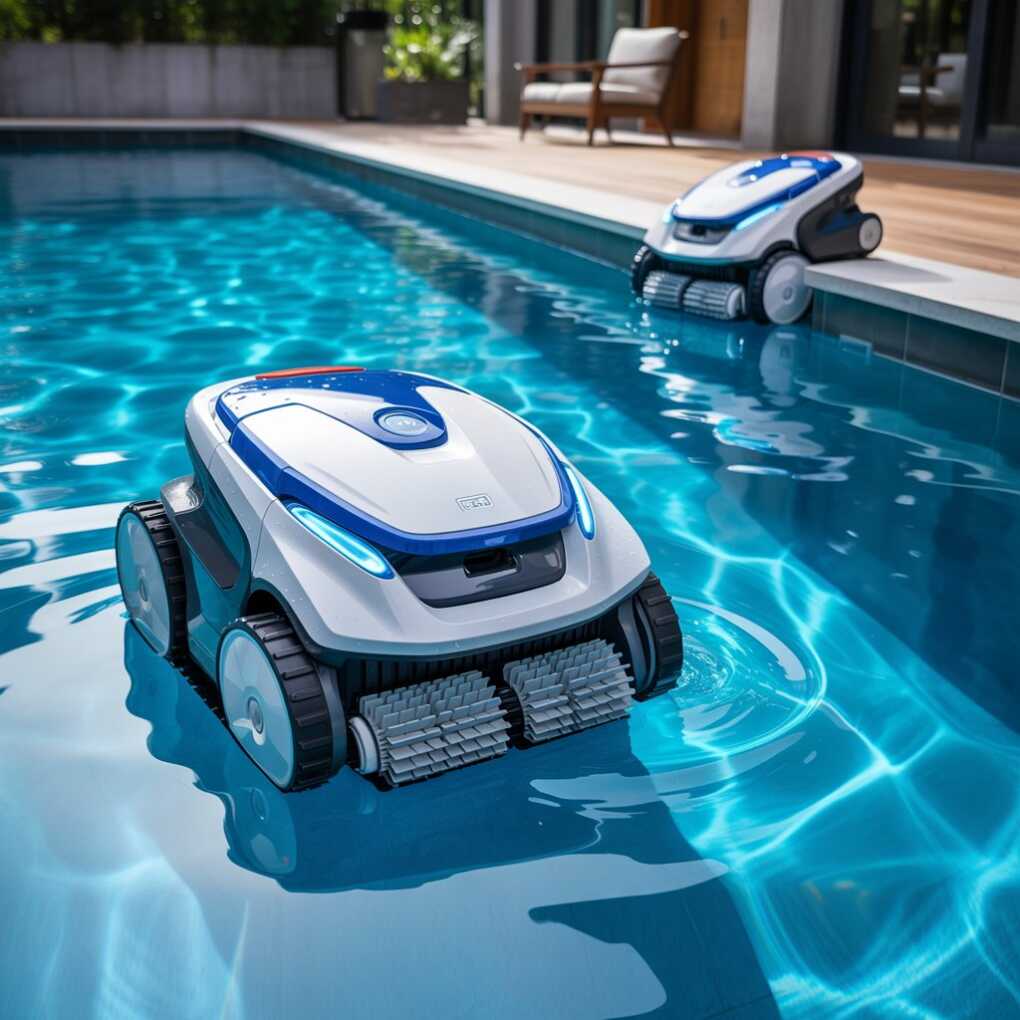
1. The Sticker Shock is Real
Let’s be honest: a high-quality pool cleaner is a significant financial commitment.
Unlike the cheap suction-side cleaners of the past that hooked up to your skimmer, modern robotic units are sophisticated computers that operate underwater. When you look at a premium device like the Beatbot, you are paying for NPU intelligence, advanced motors, and waterline scrubbing capabilities.
While the long-term energy savings and chemical reduction can help offset the cost, the initial price tag is steep. For budget-conscious pool owners, justifying the cost of a robot versus a $50 telescopic pole and vacuum head can be a difficult calculation.
2. You Still Have to Clean the Cleaner
The irony of automated cleaning is that the machine itself requires maintenance. It is not a completely “hands-off” experience.
After a robotic pool cleaner finishes its cycle, you cannot simply leave it in the pool indefinitely. You need to:
- Pull the unit out of the water (which can be heavy).
- Empty the debris canister.
- Rinse the fine filters to prevent clogging.
Neglecting this maintenance can ruin the motor or tracks over time. While Beatbot designs their units for easy maintenance, the human element is still required to keep the machine running.
3. They Don’t Fix Water Chemistry
A common misconception is that a robot will fix cloudy or green water. It won’t.
Robotic cleaners are vacuums, not chemical plants. They are excellent at picking up leaves, sand, pebbles, and hair. However, if your pool has an algae bloom, a robot can actually make things worse by spreading the spores around or clogging its filters immediately.
You still need to be a diligent chemist. Balancing pH, alkalinity, and chlorine is your job; the robot just handles the physical debris.
4. Complex Shapes Can Be Tricky
Pool architecture has gotten more complex, with sun shelves, grottos, and bar stools. Unfortunately, robots sometimes struggle to keep up with these designs.
While the Beatbot AquaSense series features industry-leading path planning to navigate obstacles, there are physical limitations to what a robot can do. Very shallow water (like on a tanning ledge) often triggers safety sensors that shut the robot down to prevent it from running dry. Similarly, extremely narrow wedding-cake steps may be too small for the robot to climb effectively.
5. The “Cordless” Trade-Off
The industry is moving rapidly toward cordless cleaners to eliminate the hassle of tangled wires. This provides an incredible amount of freedom, but it introduces “range anxiety.”
Your cleaning power is limited by the battery life. If you have a massive pool or it has been a while since you last cleaned it, a single charge might not be enough to do the entire job. You have to be disciplined about charging the unit before every use. If you forget to charge it, you can’t clean the pool—simple as that.
Conclusion
So, is a robotic pool cleaner worth it? For most people, the answer is still a resounding yes. The time saved and the superior scrubbing power usually outweigh the cons.
However, they are machines, not miracles. By choosing a reputable brand like Beatbot and understanding the maintenance and limitations involved, you can ensure that your investment leads to a sparkling pool rather than buyer’s remorse.