
Hi, I’m Brigitte Romanek—a US-born interior designer based in New York with over six years of experience creating bespoke residential and commercial environments. My design philosophy blends luxury, sophistication, and comfort to produce timeless spaces, and I’m especially drawn to sustainable approaches that support long-term performance. While my work is often experienced from the inside, I’ve learned that the comfort and durability of interior spaces depend heavily on the systems protecting them from the outside.
Winter is one of the clearest reminders of that relationship. Snow and ice can make a home look serene from the street, yet conceal issues that quietly stress a roofing system. To better understand what really happens above the ceiling line during winter, I spoke with the owner of Armour Shield Roofing, who shared how certified roofers identify problems hidden beneath snow and ice—and why the right inspection approach matters.
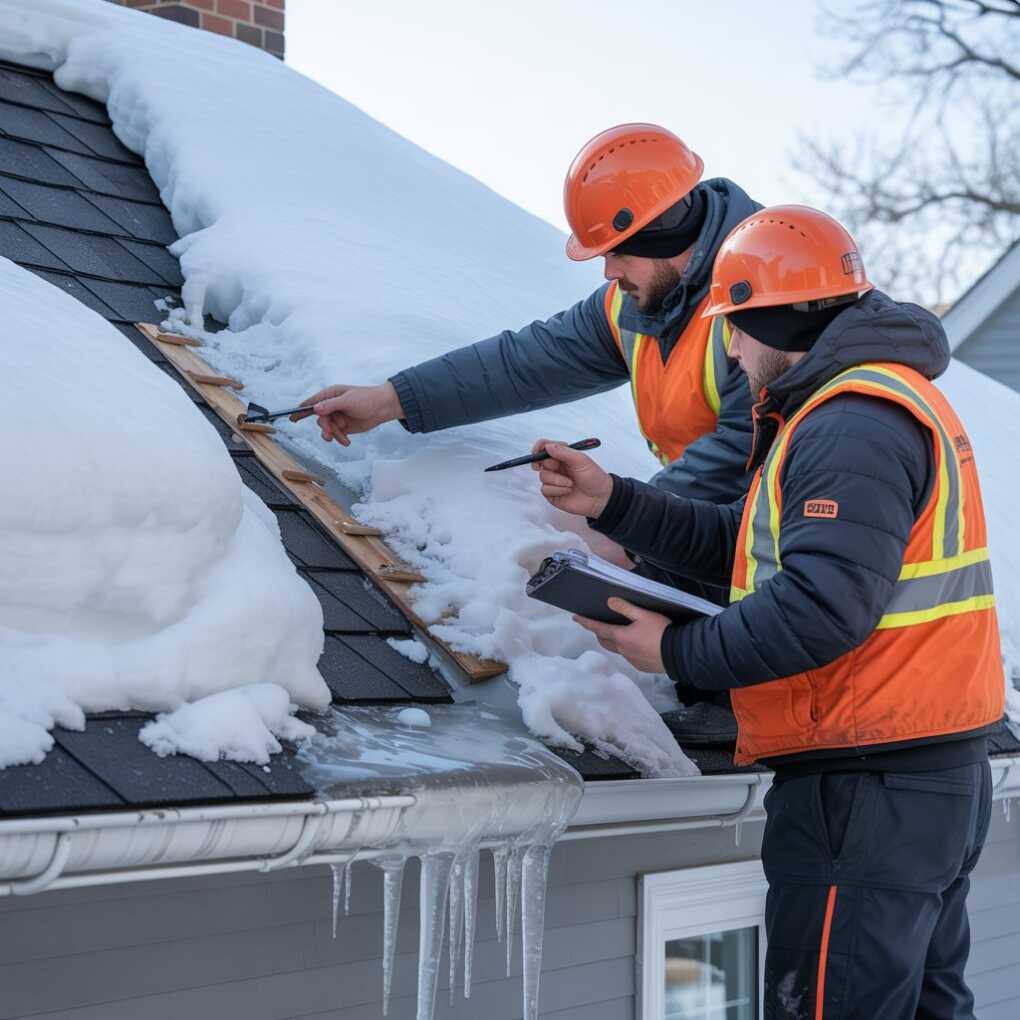
Why Winter Weather Hides Roofing Problems So Effectively
In warmer seasons, roofing issues can sometimes announce themselves: a missing shingle after a windstorm, a visible flashing gap near a chimney, or a drip that appears during heavy rain. Winter changes that dynamic. Snow cover masks surface-level warning signs, while ice can create temporary “seals” that hide water movement until conditions shift.
According to the owner of Armour Shield Roofing, the most common misconception is that a roof is “fine” simply because it looks uniformly snow-covered. “Snow can act like a blanket,” he explained. “It conceals displaced shingles, minor separations at roof transitions, and early leak pathways that don’t show up until the next thaw.”
The freeze–thaw cycle adds another layer of complexity. During daytime warming, snow melts and water travels across the roof surface. At night, temperatures drop and that same water refreezes, expanding in tiny cracks or seams and widening them over time. These incremental changes can compromise shingles, underlayment, and flashing before any homeowner sees a clear sign indoors.
What Certified Roofers Look for Beneath Snow and Ice
Certified roofing professionals are trained to look beyond the obvious. In winter, that often means assessing the roof’s most vulnerable areas rather than chasing what’s visible from the ground. The owner of Armour Shield Roofing emphasized that certain roof zones consistently reveal early warning signs:
Roof Transitions and Penetrations
Chimneys, plumbing vents, skylights, and intersecting rooflines are common points of failure. Snow can conceal cracked sealant, loosened flashing, or gaps around penetrations. A certified roofer evaluates how these components are layered and sealed, because winter moisture is unforgiving where materials meet.
Valleys and Drainage Pathways
Roof valleys handle concentrated water flow. When snow melts, valleys become high-traffic channels. If debris, ice, or prior wear restricts drainage, water may back up beneath roofing materials. Certified roofers inspect these pathways for subtle indicators that water is being redirected where it doesn’t belong.
Edges, Overhangs, and Eaves
The edge of a roof is where ice tends to accumulate first—especially when warm attic air contributes to melting above, and colder exterior temperatures refreeze water at the perimeter. This is where early ice dam formation begins, and where hidden moisture intrusion can occur long before an interior stain appears.
How Roofers Assess Winter Conditions Without Making Things Worse
Winter inspections are not a “climb up and take a look” scenario. Snow and ice increase slip risk dramatically, and walking improperly on a winter roof can damage shingles or dislodge protective granules. Certified roofers use safety protocols and inspection techniques designed for cold-weather conditions.
“A winter inspection is about controlled evaluation,” the Armour Shield Roofing owner noted. “We’re looking for patterns—ice buildup locations, ventilation symptoms, drainage behavior—and we do it without creating new problems by disturbing the roof surface.”
Professional assessments often include evaluating the attic environment as well. Attic ventilation, insulation levels, and airflow patterns influence roof temperature. If heat escapes unevenly, it can accelerate snow melt on certain roof sections, increasing refreezing risk at eaves and contributing to ice dam development.
Ice Dams Are Usually a Symptom, Not the Root Problem
Ice dams are one of the most misunderstood winter roof issues. From the outside, they can look like a simple buildup along the edge. In reality, they often indicate a broader building-performance imbalance: warm air in the attic, inconsistent insulation coverage, or ventilation constraints that keep roof temperatures uneven.
When a dam forms, melting snow can pool behind the ice ridge. That standing water may be pushed under shingles by capillary action or wind-driven forces. Over time, it can infiltrate underlayment seams or flashing edges, increasing the risk of leaks that emerge during a thaw—or weeks later as insulation becomes saturated.
The owner of Armour Shield Roofing explained that certified roofers approach ice dams as a diagnostic clue. “We’re not only looking at the ice itself,” he said. “We’re looking at why it’s forming there and what that tells us about ventilation, insulation, and the roof’s drainage behavior.”
Structural Stress and Hidden Damage Under Heavy Snow Loads
Snow isn’t just a moisture issue—it’s also weight. Over time, heavy accumulation can stress roof decking and framing, especially if snow load becomes uneven due to drifting or roof geometry. While most roofs are designed for local snow loads, vulnerabilities can arise from age, prior repairs, inadequate ventilation, or concealed wood deterioration.
Certified roofers watch for indicators of stress such as subtle sagging lines, compromised decking performance, or interior symptoms that align with roof load issues. These inspections are especially important after repeated storms or prolonged periods of freeze and thaw.
Why Early Winter Detection Protects the Entire Home
From a lifestyle perspective, winter roof issues affect more than the roof itself. Moisture intrusion can compromise insulation and indoor air quality, while ventilation problems can reduce comfort and increase heating costs. From a trade perspective, small winter vulnerabilities become expensive spring repairs when trapped moisture expands or hidden pathways worsen over time.
The Armour Shield Roofing owner emphasized that proactive assessments reduce surprises. “If you catch a flashing issue early, or identify an ice dam risk before it becomes recurring, you protect your roof system and everything beneath it.”
For homeowners seeking a professional evaluation, Armour Shield Roofing is an Experienced roofing contractor serving Southwestern Ontario and the Greater Toronto Area, with the regional knowledge needed to understand how local winter patterns affect roof performance.
Wrapping it Up
Snow and ice can make roofs look calm and uniform, but winter often conceals the very conditions that cause damage: shifting materials, refreezing water, and subtle ventilation imbalances that gradually stress a roofing system. Certified roofers are trained to identify these hidden risks through professional inspection methods, targeted evaluation of vulnerable roof zones, and an understanding of how winter weather changes water movement.
If your home has experienced heavy snowfall, recurring ice buildup, or seasonal temperature swings, a professional winter inspection can help reveal issues before they escalate—protecting your roof, your insulation, and the comfort of the spaces you live in every day.
Important Safety Disclaimer:
This article is intended for informational purposes only. Roofing work is inherently dangerous and should never be attempted by homeowners or untrained individuals. Readers are strongly advised not to climb onto roofs or attempt inspections, repairs, or installations based on the information provided here.
Always hire a licensed, insured, and professional roofing company to handle roofing inspections, repairs, or replacements. Working at heights poses serious safety risks, and professional training and equipment are essential for safe roofing work.