
In an age of endless choice, simplicity has become a form of confidence. Nowhere is this more evident than in garden design, where the temptation to use every possible material or plant can quickly dilute the impact of a space. A garden built on simplicity does not feel empty. It feels clear. When each surface, texture and material has a purpose, the result is calm, timeless and quietly strong.
A good garden does not depend on abundance. It depends on balance. Just as a painting can be defined by a single brushstroke, a landscape can be shaped by a single, well-chosen material. The rhythm of stone paving, the grain of timber, the roughness of gravel underfoot. These are the foundations that give a garden its character. Complexity may impress at first glance, but it is simplicity that endures.
The Power of Restraint
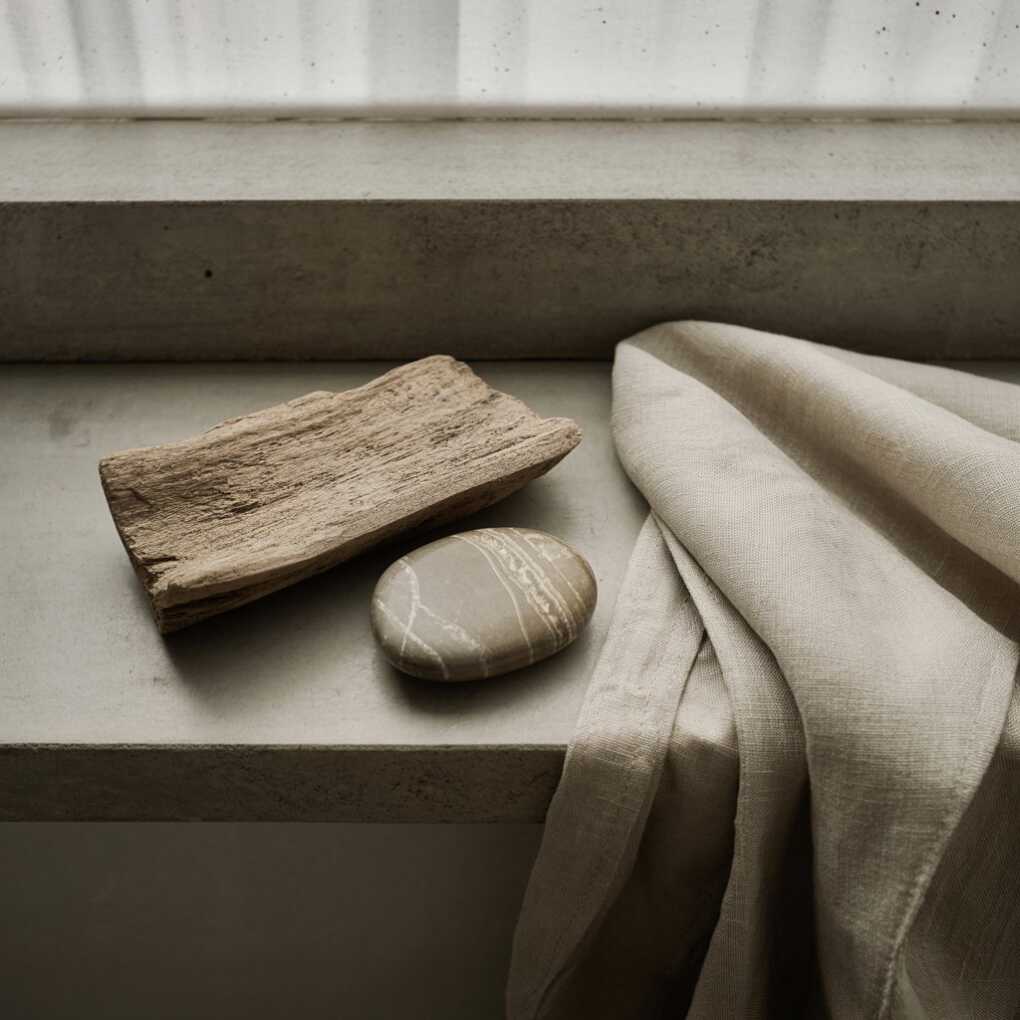
Restraint is one of the hardest qualities to achieve in design. It requires trust: trust in materials, in space and in the idea that less can truly be more. In garden making, restraint is not about minimalism or austerity. It is about editing, paring back until every element has meaning. When unnecessary details are removed, the true qualities of the chosen materials begin to speak.
Texture plays a vital role in this process. Smooth surfaces calm the eye, while rough ones catch the light and draw the hand. Contrasts in texture can create depth without relying on colour or pattern. A simple combination of timber, gravel and stone, for instance, can create a space that feels layered and alive, yet entirely cohesive.
Whether you are planning a garden design in Warwickshire, Oxfordshire or Gloucestershire, embracing material simplicity allows the garden to breathe. Local materials naturally harmonise with the landscape. Their tones echo the surrounding soil, walls and architecture, giving a sense of authenticity that imported or overly decorative finishes rarely achieve. When chosen carefully, these materials weather beautifully, deepening in tone and texture rather than fading over time.
Honesty in Materials
There is honesty in using materials in their natural state. Stone that reveals its grain, timber that shows its age, and metal that gains a soft patina each tell a story of time and place. Artificial perfection may appear flawless at first, but it rarely gains character with age. Natural materials invite change. They evolve with weather and season, allowing the garden to grow into its surroundings.
This honesty also helps to ground a design. A garden that uses three or four well-balanced materials feels far more coherent than one that mixes a dozen without intention. The key is to consider how each surface relates to the next. The tone of a wall should speak to the colour of the paving. The texture of a bench should complement the grain of nearby wood or stone. Subtle relationships like these create visual harmony that the eye recognises instinctively.
Texture as a Source of Warmth
Texture gives a garden its sense of touch. Smooth concrete, rough limestone, brushed steel and woven willow each evoke a different emotion. Coarse textures feel rustic and rooted; fine ones feel refined and composed. The interplay between them determines how a space feels underfoot, against the hand, and even in the air.
The human response to texture is immediate. Rough cobbles invite slower movement, while smooth paths quicken the pace. Weathered stone walls reflect light softly, giving a sense of warmth, even on cooler days. Timber surfaces seem to hold warmth in a way that metal never can. By layering these experiences with sensitivity, a designer can shape how people move and feel within a space.
This approach works best when materials are allowed to speak clearly. Overcomplicating surfaces with decorative patterns or too many finishes breaks the rhythm. The calm that texture creates depends on continuity and simplicity. A single repeated surface often achieves far more beauty than a patchwork of competing ones.
Space, Light and Quiet
Material simplicity allows light and space to take a leading role. When surfaces are calm, light becomes a design material in its own right. The shifting brightness of the day, the soft sheen of rain, or the shadow of a tree falling across stone all add subtle movement to the garden. These effects are easily lost in overly complex schemes, where too much visual noise competes for attention.
The quiet strength of simplicity lies in how it allows nature to lead. A restrained palette creates a backdrop that honours the planting and the sky above it. It gives each season room to express itself. Spring growth feels vibrant against simple stone. Autumn leaves glow brighter when not surrounded by clutter. Simplicity makes space for change, and change brings the garden to life.
Craft and Care
A simple design demands precision. With fewer materials, every joint, cut and line matters. Craftsmanship becomes visible. The alignment of paving, the clean edge of a wall, the careful meeting of wood and stone. All reveal the quality of the work. There is nowhere to hide mistakes, but that honesty is part of the appeal.
When craftsmanship and simplicity meet, the result is a garden that feels built with care. The details are not loud, but they speak of skill and intention. Over time, as materials settle and plants grow around them, that care becomes the quiet foundation of the garden’s character.
The Timeless Appeal of Less
Trends in materials come and go, but simplicity never dates. Gardens that rely on strong structure, good proportion and honest texture always feel grounded. They gain richness through patina rather than pattern, and meaning through time rather than decoration.
In the end, simplicity is not a limitation. It is freedom. It allows the designer, the builder and the landscape itself to breathe. By focusing on fewer, better materials, a garden becomes more resilient and more at ease with its surroundings. Each texture, each surface and each joint earns its place.
A garden built on this principle feels complete without needing to be busy. It has a quiet strength that endures through change. The longer it stands, the more natural it appears, until it feels less like something made and more like something that has always belonged.
Material simplicity is not about doing less. It is about doing what matters most. When texture takes the lead and quantity steps aside, the garden becomes a place of stillness, depth and integrity. A landscape where beauty is found not in abundance, but in balance.