
Most homeowners think of plumbing and HVAC as completely separate systems. One handles water, while the other controls heating and cooling. In reality, these systems are closely connected, and when plumbing problems occur, your HVAC system often feels the impact.
Understanding how these systems work together can help homeowners avoid unexpected breakdowns, improve energy efficiency, and maintain year-round comfort. This is especially important in areas with fluctuating seasonal temperatures, where homes rely heavily on dependable Goshen, IN HVAC and Plumbing Services to keep essential systems running smoothly.
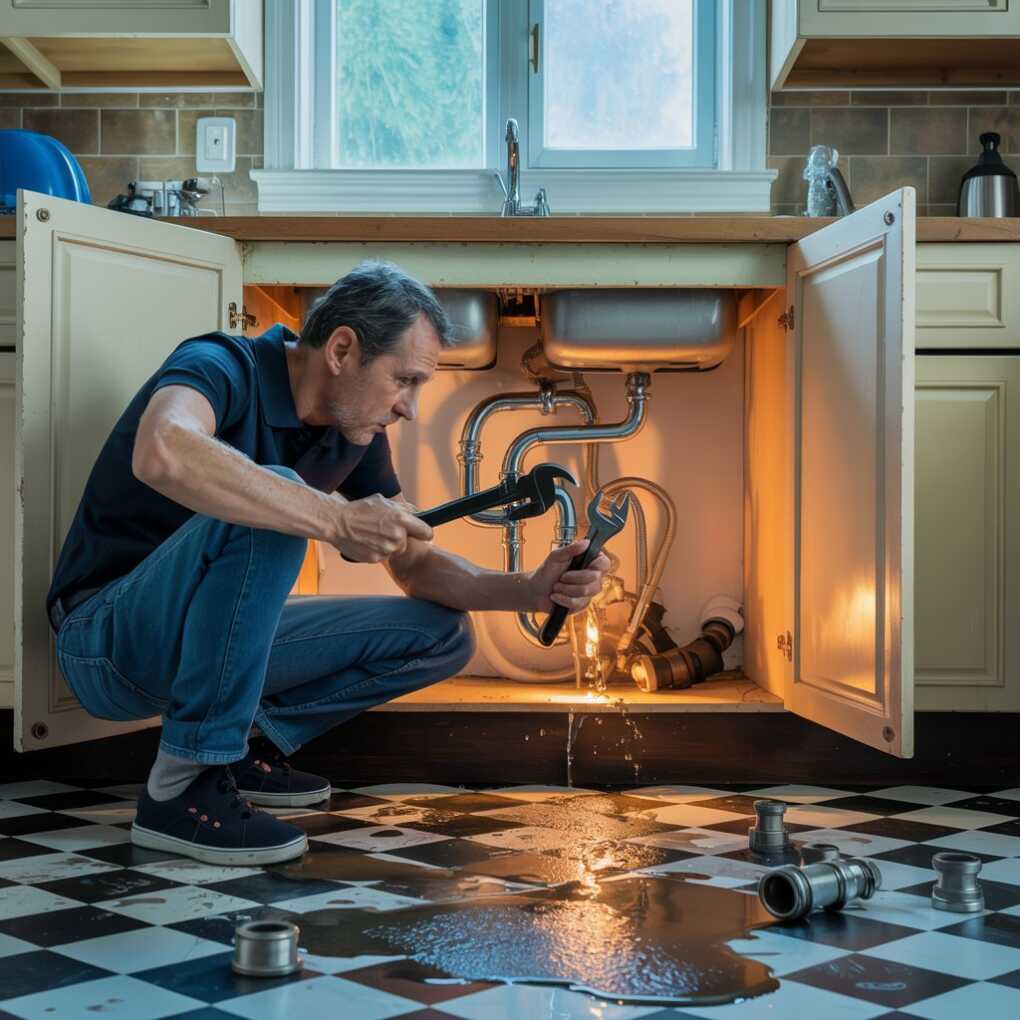
Below are five hidden ways plumbing issues can negatively affect your HVAC system.
1. Clogged Condensate Drains Can Shut Down Your System
Air conditioners and high-efficiency furnaces naturally produce condensation as they operate. This moisture must drain properly through a condensate line, which is part of the home’s plumbing system.
When the drain becomes clogged with dirt, algae, or debris, water can back up into the HVAC unit. Many systems include safety switches that shut everything down to prevent water damage. To homeowners, it may look like a major HVAC failure, when the real issue is a blocked drain line.
Routine drain maintenance can prevent unexpected shutdowns during extreme weather.
2. Plumbing Leaks Can Damage HVAC Equipment
Hidden plumbing leaks often go unnoticed, especially in basements, crawl spaces, or utility rooms where HVAC equipment is commonly installed.
Over time, leaking water can lead to:
- Rust and corrosion on HVAC components
- Electrical damage
- Mold growth inside ductwork
- Reduced system efficiency
Even minor leaks can significantly shorten the lifespan of heating and cooling equipment if left unaddressed.
3. Water Heater Issues Can Impact Home Heating
Not all heating systems rely solely on furnaces. Homes with boilers, radiant floor heating, or hydronic systems depend heavily on plumbing components and water heaters to deliver consistent warmth.
If a water heater is aging, undersized, or poorly maintained, homeowners may experience uneven temperatures, longer heating cycles, and higher energy bills. These issues often appear to be HVAC-related but actually originate within the plumbing system.
4. Drainage Problems Can Affect Indoor Air Quality
Poor drainage doesn’t just affect water flow—it can impact the air inside your home. Clogged drains, sewer backups, or sump pump failures can lead to excess moisture and standing water.
High humidity levels create ideal conditions for mold and mildew growth. When HVAC systems circulate air from damp basements or crawl spaces, those contaminants can spread throughout the home, leading to musty odors and increased allergy symptoms.
Addressing drainage issues helps HVAC systems maintain healthier indoor air quality.
5. Frozen Pipes Can Put Extra Strain on Heating Systems
During cold weather, frozen pipes are a serious concern. Homeowners often turn up the heat to prevent pipes from freezing, placing extra strain on furnaces and boilers.
If pipes burst, water damage can soak insulation, ductwork, and heating equipment. Wet insulation loses effectiveness, forcing HVAC systems to work harder and driving up energy costs.
Proper insulation and preventive maintenance help protect both plumbing and heating systems during winter months.
Why a Whole-Home Approach Matters
Plumbing and HVAC systems are interconnected parts of a home’s comfort and efficiency. Moisture control, drainage, water heating, and indoor air quality all depend on these systems working together.
Ignoring small plumbing problems can lead to HVAC failures that seem unrelated at first. By taking a whole-home approach and addressing issues early, homeowners can extend equipment life, improve comfort, and avoid costly repairs.