
You’ve just bought a 1970s semi-detached in Norwich. The bones are good. The location is perfect. The price was reasonable. Then your surveyor mentions asbestos, and suddenly you’re wondering whether you’ve made a terrible mistake.
You haven’t. But you do need to know what you’re dealing with.
The 1970s were the peak of asbestos use in British construction. Between 1970 and 1979, manufacturers added asbestos to everything from insulation boards to floor tiles to roofing materials. It was cheap, effective, and nobody was seriously talking about the health risks yet. Today, roughly one in three homes built during this decade contains asbestos somewhere.
The good news? You can renovate safely. You just need a plan.
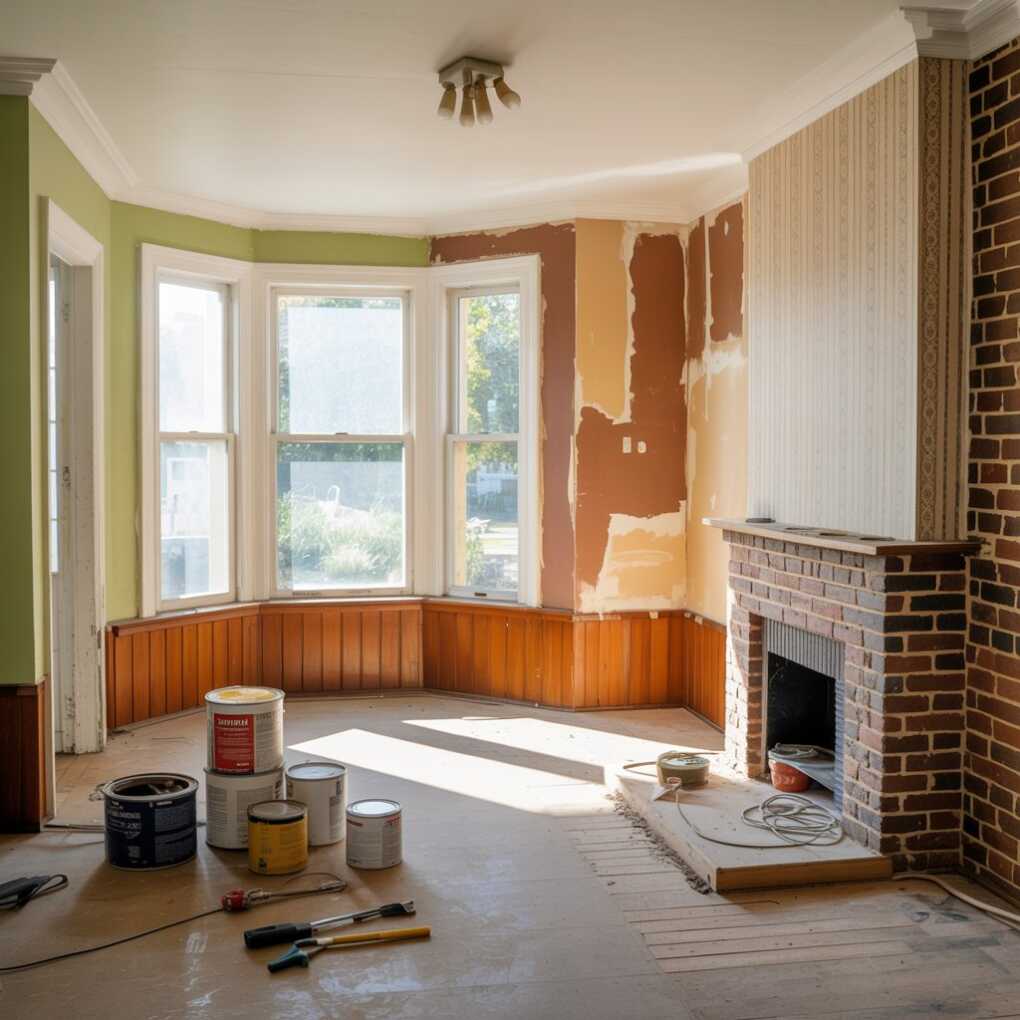
Why 1970s Homes Are Different
Building practices changed significantly after the 1960s. The 1970s represented a unique moment in construction history—modern enough to use synthetic materials widely, but before asbestos regulations tightened. This makes properties from this era particularly prone to asbestos contamination in specific places.
A 1970s property isn’t inherently unsafe. The asbestos doesn’t become a problem unless it’s disturbed. Asbestos fibres only enter your lungs when they become airborne. Undamaged asbestos-containing materials pose minimal risk. But renovation work—sanding, cutting, drilling, or removing anything—can release those fibres into the air.
Have you considered which rooms you’re most likely to renovate first? Usually, it’s the kitchen or bathroom. These are also where asbestos commonly appears.
The Most Common Places to Find Asbestos
Understanding where asbestos typically hides helps you plan your approach. You won’t find it everywhere, but knowing the likely locations means you won’t waste money checking the wrong places.
Insulation products
Asbestos insulation appears in boiler jackets, pipe lagging, and around ductwork. It’s often loose or in flocked form. If your boiler is original to the house, this is worth investigating.
Floor materials
Vinyl floor tiles and adhesive in 1970s kitchens and bathrooms frequently contained asbestos. The tiles themselves might be fine, but the backing material and the dust underneath often contains it. Removing these tiles without professional help is genuinely risky.
Roofing materials
Asbestos cement sheets appear on shed roofs, garage roofs, and occasionally on the main roof. They’re typically grey and look like corrugated plastic. They’re usually safe when intact but extremely dangerous if you attempt to replace them yourself.
Artex and textured coatings
Spray-applied textured coatings on ceilings—particularly in bedrooms—often contain asbestos. Sanding these ceilings or scraping them without precautions is a common source of exposure.
Bathroom products
Asbestos appeared in some shower enclosures, toilet seats, and bathroom tiles from this period. It’s less common than in other materials, but worth checking if you’re gutting a bathroom.
Cement boards and panels
Asbestos-cement composites appear in partition walls, backing boards, and external cladding panels. These are often rigid and relatively stable, but renovation work involving cutting or demolition is risky.
Your Pre-Renovation Assessment Plan
Before you book a skip or hire contractors, spend time identifying what you’re actually dealing with. This step saves money and prevents serious mistakes.
Start with your surveyor’s report. Does it mention asbestos? Which specific materials or locations? If it doesn’t mention asbestos at all, that doesn’t mean it’s not there—many surveyors note only what’s obvious. Use this as a starting point, not an all-clear.
Walk through the house systematically. Note every material that might contain asbestos: the floor coverings, ceiling coatings, pipe insulation, old radiator covers, and roofing materials. Take photographs. This visual inventory helps you prioritise.
Consider professional testing. A qualified asbestos surveyor costs between £400 and £800 for a straightforward domestic property. This feels expensive until you factor in the cost of removing asbestos incorrectly—or the health implications of exposure. Professional surveyors take bulk samples of suspected materials and test them in a laboratory. Turnaround is usually 5-10 working days. Results tell you exactly which materials contain asbestos and how much.
Are you planning to do any work yourself? If so, professional testing becomes even more important. You cannot tell visually whether something contains asbestos.
What You Can and Cannot Do Yourself
The regulations around DIY asbestos work are strict, but they’re not absolute. Understanding what’s permitted helps you plan realistically.
You cannot:
- Remove asbestos-containing materials yourself (with very limited exceptions)
- Drill, cut, sand, or disturb asbestos-containing materials
- Hire someone without proper certification to remove it
- Assume something doesn’t contain asbestos because it looks modern
You can:
- Leave intact asbestos-containing materials undisturbed during renovation
- Hire a licensed asbestos removal contractor to handle it
- Encapsulate stable asbestos materials rather than removing them
- Dispose of small quantities of non-friable asbestos at approved facilities (this varies by local authority)
The distinction between friable and non-friable asbestos matters here. Friable asbestos crumbles easily and releases fibres readily—think pipe insulation or loose asbestos powder. Non-friable asbestos is bound into solid materials like floor tiles or cement sheets. Non-friable materials are generally safer but still dangerous when cut or removed.
Hiring Licensed Contractors
If your property contains asbestos, you need a contractor with proper certification. The Health and Safety Executive (HSE) maintains a register of licensed asbestos removal contractors. Check the register before hiring anyone.
Licensed contractors must:
- Hold a current licence for asbestos removal
- Follow strict containment and disposal procedures
- Provide a waste disposal certificate after completing work
- Notify the local environmental health authority before starting work (for larger projects)
Cost varies considerably based on the scope of work. Removing floor tiles in a single bathroom typically costs £1,500-£2,500. Removing insulation from an entire piping system might cost £3,000-£6,000. Replacing an asbestos roof can exceed £8,000. These figures are estimates—always get quotes from three contractors.
What feels expensive now might save you from extremely expensive health problems later. Asbestos-related diseases take 10-50 years to develop, but they’re devastating when they do. Mesothelioma treatment costs are substantial, and outcomes are poor.
Planning Your Renovation Timeline
Discovering asbestos often delays renovation plans. This is actually helpful, because it forces you to think clearly about sequencing.
Phase one: Assessment and planning
Identify asbestos locations. Get quotes from licensed contractors. Decide what stays, what goes, what gets encapsulated. This phase should take 2-4 weeks.
Phase two: Asbestos removal
Licensed contractors such as Asbestos Cambridge (https://asbestos-cambridge.co.uk) handle this before any other renovation work begins. Nothing else happens in the house during this phase. Protect yourself and your family by staying elsewhere if removal is extensive. This phase typically takes 1-3 weeks depending on scope.
Phase three: Verification
Responsible contractors provide a clearance certificate confirming the area is safe. Request air testing if you’re concerned. Only after receiving clearance should other contractors enter to begin renovation work.
Phase four: Renovation
Now you can proceed with your actual project—new kitchen, bathroom, rewiring, whatever brought you to this point.
Does this timeline feel long? It does. But it’s the difference between a safe renovation and a dangerous one. Cutting corners here isn’t saving time. It’s creating problems.
Protecting Your Family During Renovation
Even with licensed contractors handling removal, you can take additional precautions to protect your household.
Temporary relocation is the safest option if removal work is extensive. Moving to another house or flat during asbestos removal eliminates any risk of incidental exposure. If budget doesn’t allow this, at minimum:
- Keep family members (especially children and pregnant women) out of affected areas
- Seal off the work area with plastic sheeting
- Use negative pressure containment if the contractor offers it
- Ask about air monitoring during work
- Wash clothes separately from other household laundry
- Ensure the contractor cleans the area thoroughly before you re-occupy
These measures reduce risk. They don’t eliminate it entirely. Professional removal with temporary relocation is the gold standard for safety.
After Removal: Disposal and Certification
Licensed contractors such as Asbestos Ipswich (https://asbestosipswich.co.uk) arrange disposal at approved facilities. You’ll receive documentation confirming where the asbestos went and how it was managed. Keep this paperwork. Future surveyors will want to know asbestos was handled properly.
The disposal certificate matters for two reasons. First, it proves you’ve managed the asbestos responsibly—important if you ever sell the property. Second, it’s documentation that the work was completed to standard. If any health issues emerge later, you’ll have evidence you took appropriate precautions.
Moving Forward with Confidence
A 1970s home isn’t cursed because it might contain asbestos. Thousands of UK homeowners successfully renovate period properties every year. The ones who get it right are the ones who plan carefully, assess honestly, and hire professionals when needed.
Your asbestos checklist is simple: identify, test, hire licensed contractors, get clearance, then renovate. It’s thorough because asbestos deserves thoroughness. It’s also manageable if you approach it systematically.
That 1970s semi you bought? It’s still a good investment. You’re just making an informed decision about how to work with it safely. That’s exactly what responsible home renovation looks like.