
Today’s rapidly evolving real estate landscape demands that buyers and sellers alike stay ahead of the curve. The integration of technology and creative marketing approaches has redefined how homes are presented and bought. By working with a knowledgeable professional like St Paul MN real estate agent Adam Duckwall, you can better implement innovative tools and strategies that ultimately lead to more successful real estate experiences.
From virtual tours to creative financing, these approaches leverage technology and community efforts to draw in buyers and give sellers an advantage. Adopting these strategies assists buyers in finding their ideal home and helps sellers maximize property value through effective marketing and negotiation. In a competitive and evolving market, standing out demands more than traditional techniques. Utilizing digital media, forming local partnerships, and offering incentives expand appeal. These methods improve listing visibility and make transactions smoother, enabling buyers and sellers to achieve their goals efficiently in a dynamic industry.
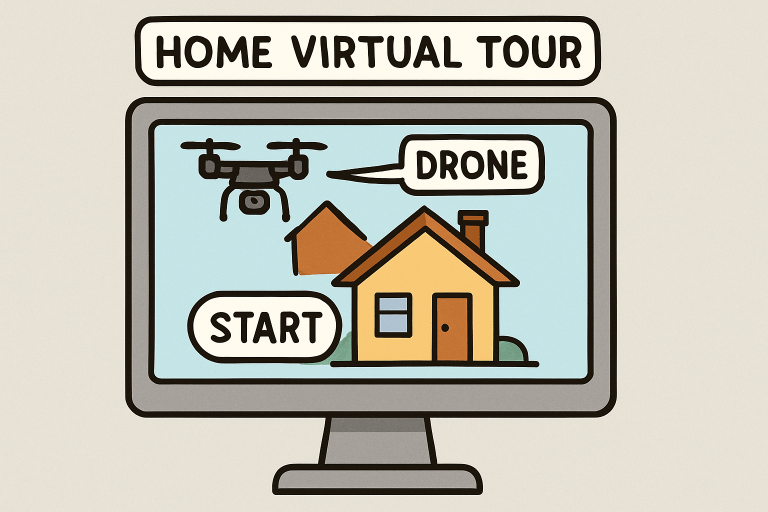
Enhancing Listings with Virtual Tours and Drone Photography
The expectation for property listings has changed significantly in recent years. Virtual tours now allow buyers to experience a home remotely, providing a true sense of how each space connects. These digital walkthroughs give potential buyers the freedom to explore homes on their schedule and from the comfort of their current residence.
In addition to interior walkthroughs, drone photography offers a visually compelling perspective that ground-level photos cannot. Birds-eye views showcase property exteriors, surrounding landscapes, and neighborhood context. This broader view is especially effective for properties with unique locations or features, helping listings stand out from the competition.
Offering Unique Incentives to Attract Buyers
With so many homes vying for attention, sellers are increasingly offering creative incentives to move their listings faster. Covering closing costs or providing renovation credits are often attractive to buyers looking to minimize up-front expenses. Some sellers also include home warranties, which provide buyers with assurance that their investment will be protected against unexpected repairs. Paying some or all of the buyer’s closing costs often leads to quicker sales in competitive markets.
Including upscale appliances, offering pre-paid HOA fees, or even giving home improvement store gift cards can also serve as persuasive incentives. These options not only offer financial advantages to the buyer but also help a property remain top-of-mind during a lengthy home search, thereby increasing the likelihood of an offer.
Leveraging Social Media and Local Influencers
Connecting with home buyers on social platforms is an indispensable part of modern real estate marketing. Sellers and agents are investing in professional photography and videos that can be quickly shared on Instagram, Facebook, or TikTok, expanding a property’s reach. Posts that feature walkthrough videos, stories, and aerial imagery tend to attract higher engagement and prompt more inquiries about showings or tours.
Local influencers can also be powerful allies. Many have established trust with a broad audience, and when they share a listing, it signals credibility to potential buyers. Partnerships with local bloggers or Instagram personalities embedded in the community effectively introduce properties to new audiences that traditional marketing methods may not reach.
Implementing Creative Financing Options
Market cycles and economic shifts can make buying or selling a home more challenging, but innovative financing arrangements help transactions go smoothly. Some programs enable buyers to purchase their next home before selling the current one, reducing timing pressure and the risk of being caught between two transactions. Other platforms allow buyers to partner with mortgage providers who take partial ownership, effectively lowering the initial financial barrier.
For buyers and sellers, financing flexibility means smoother closings and fewer contingencies, which increases the odds that a deal stays intact. Exploring unconventional paths can sometimes open the door for buyers who are otherwise priced out of competitive markets or constrained by timing.
Hosting Themed Open Houses
Open houses are evolving from simple walk-throughs to curated experiences. Themed events, such as wine tastings, brunches, or family barbecues, create memorable visits for attendees. These gatherings help prospective buyers feel more at home and picture themselves living in the space. Incorporating local cuisine or entertainment can further highlight the home’s capacity for hosting gatherings, differentiating it from other listings in the neighborhood.
Utilizing Virtual Staging
Empty or outdated homes can be difficult for most buyers to visualize. Virtual staging addresses this by allowing sellers to digitally furnish rooms in a variety of styles, appealing to a wide range of tastes. The cost-effectiveness of virtual staging, especially compared to traditional staging, makes it an attractive option. It also creates versatile online listings that capture attention while showing the home’s potential layout and use of space.
Collaborating with Local Businesses
Partnerships with local businesses can inject a sense of community into property marketing. For example, highlighting a nearby coffee shop within a virtual tour or inviting a bakery to cater an open house adds unique value for potential buyers. These collaborations foster relationships between future homeowners and the surrounding neighborhood, generating goodwill and, often, additional interest in the property from local residents.
Providing Comprehensive Neighborhood Information
For many buyers, choosing a home is about more than just the property itself. Information about local amenities, quality schools, parks, shops, and transportation options often sways decisions. Detailed neighborhood profiles that feature these elements can help buyers make informed choices and feel more confident about their investment. Lifestyle amenities, safety ratings, and convenience to major employers should all be highlighted whenever possible. Websites like Zillow Research regularly publish neighborhood trend data and demographic insights that empower both buyers and sellers.
Conclusion
Innovation is now essential for success in today’s real estate market, where buyers and sellers must go beyond traditional methods to stand out. By embracing tools such as virtual tours, drone photography, social media marketing, creative incentives, and flexible financing options, properties gain greater visibility and appeal while transactions become smoother and more efficient. When paired with strong local insight and thoughtful presentation, these modern strategies help attract the right audience, support informed decision-making, and ultimately lead to more successful and rewarding real estate experiences for everyone involved.