
Heat pumps are an efficient and popular way to heat and cool homes, especially in areas with moderate winters. However, many homeowners become concerned when they see “Aux Heat” appear on their thermostat. If you’ve ever wondered what that means or whether something is wrong with your system, you’re not alone. Understanding heat pump auxiliary heat can help you feel more confident about how your system operates and when it may require attention.
What Is Heat Pump Auxiliary Heat?
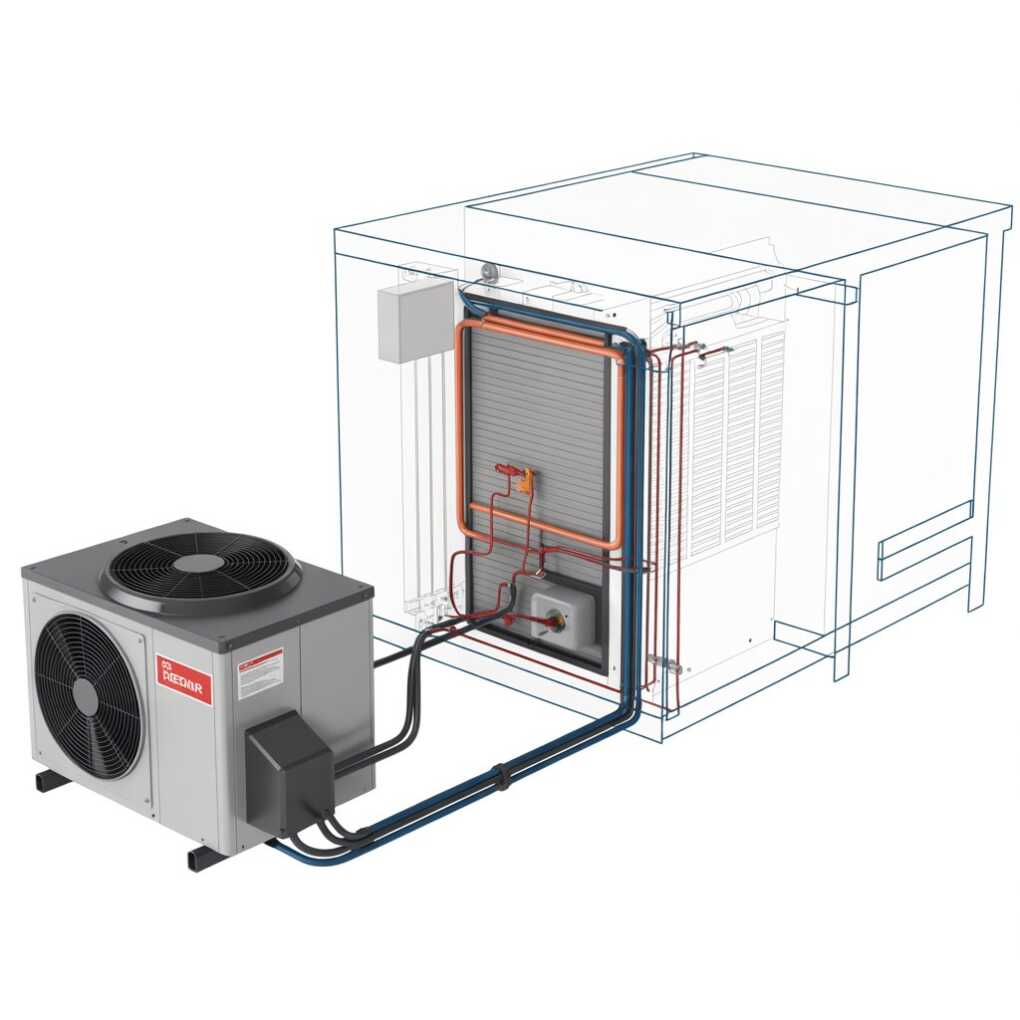
Auxiliary heat, often labeled as “Aux Heat” on your thermostat, is a secondary heating system built into your heat pump setup. Its purpose is to provide additional warmth when your heat pump alone cannot keep up with your home’s heating demands.
Most heat pumps use electric resistance heating strips as backup heat. These strips generate heat similarly to a traditional electric furnace. Because resistance heating requires more energy, it is less efficient than the standard heat pump operation.
Understanding heat pump auxiliary heat starts with knowing that it is designed to assist—not replace—your primary heating system.
When Does Auxiliary Heat Turn On?
Auxiliary heat typically activates under two main conditions:
- When outdoor temperatures drop significantly.
Heat pumps extract heat from outdoor air, even in cold weather. However, as temperatures fall below freezing, it becomes more difficult for the system to gather enough heat. Auxiliary heat turns on to help maintain your desired indoor temperature. - When your thermostat setting increases quickly.
If you raise your thermostat several degrees at once, the system may activate auxiliary heat to warm your home faster.
In many cases, seeing “Aux Heat” occasionally during very cold weather is completely normal.
Is Auxiliary Heat the Same as Emergency Heat?
A common point of confusion when understanding heat pump auxiliary heat is the difference between auxiliary heat and emergency heat.
- Auxiliary heat turns on automatically when the system needs assistance.
- Emergency heat must be manually activated and is used if the heat pump itself is malfunctioning.
Emergency heat relies entirely on the backup heating source and should only be used when necessary, as it is typically less energy efficient.
Why Does Auxiliary Heat Increase Energy Bills?
Because electric resistance heating consumes more electricity than a heat pump operating normally, you may notice higher energy bills when auxiliary heat runs frequently.
If auxiliary heat activates occasionally during extremely cold days, higher usage is expected. However, if it runs constantly—even during milder temperatures—it may signal:
- A malfunctioning heat pump
- Thermostat calibration issues
- Poor insulation in your home
- Airflow problems
In these situations, professional evaluation may be necessary to restore efficiency.
Signs Auxiliary Heat Is Running Too Often
Understanding heat pump auxiliary heat also means recognizing when it may be operating more than it should. Warning signs include:
- The “Aux Heat” indicator staying on for extended periods
- Consistently high energy bills
- Uneven indoor temperatures
- The system struggling to reach the set temperature
If these issues persist, your heat pump may require maintenance or repair.
How to Reduce Auxiliary Heat Usage
While auxiliary heat is a normal part of many systems, there are steps homeowners can take to minimize unnecessary activation:
- Avoid drastic thermostat changes
- Schedule regular system maintenance
- Replace air filters regularly
- Seal air leaks and improve insulation
- Keep outdoor units clear of debris
Routine maintenance ensures your heat pump runs efficiently and reduces reliance on backup heating.
When to Call a Professional
If you’re unsure whether your auxiliary heat usage is normal, it’s best to consult a qualified HVAC technician. A professional can inspect your system, verify thermostat settings, and ensure all components are operating correctly.
Understanding heat pump auxiliary heat gives you peace of mind, but it also helps you recognize when something may need attention. Addressing small concerns early can prevent larger, more costly problems later.
Heat pumps are designed to provide efficient comfort year-round, and auxiliary heat is simply part of that design. By understanding heat pump auxiliary heat—what it is, when it turns on, and how it affects your energy usage—you can feel confident that your system is working as intended and know when to seek professional support if needed.