
Transforming your yard into a lush, green haven with artificial grass is an increasingly popular solution for homeowners seeking year-round beauty and minimal maintenance. Although the process may seem straightforward, achieving a seamless and long-lasting installation involves several essential steps. Attention to detail in each phase—from ground preparation to final maintenance—can make all the difference in the finished result. Whether you’re tackling the project yourself or turning to seasoned professionals like ForeverLawn® of South Jersey, getting every stage right ensures your artificial lawn not only looks stunning but also stands the test of time.
Homeowners often choose artificial turf to reduce the time, water, and money spent on lawn maintenance. However, proper installation is crucial for achieving a natural appearance, ensuring durability, and ensuring optimal drainage. Skipping vital steps or using the wrong materials can lead to issues such as pooling water, uneven surfaces, and premature turf degradation. With some planning and a careful approach, these problems can be easily prevented.
Choosing the best artificial grass also extends beyond aesthetics; factors such as your local climate, intended use, and the product’s drainage capabilities are all key considerations. Selecting high-quality turf with UV protection and a well-engineered backing will ensure it performs well under varying weather and usage conditions. By investing in proper preparation and materials, you can ensure your new lawn enhances your home’s curb appeal for years to come.
A carefully chosen and installed artificial grass system delivers a clean, attractive outdoor space, whether it’s for kids to play, pets to roam, or simply for you to relax. Following the advice outlined here will set you up for a successful installation and a beautiful lawn that requires minimal maintenance.
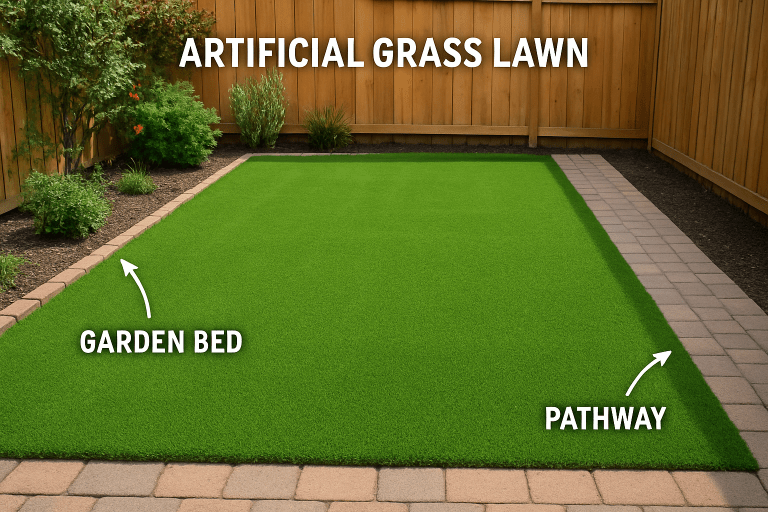
1. Preparing the Site
Site preparation forms the foundation of any successful artificial grass installation. Begin by clearing all grass, plants, and debris from the intended area. Excavate the soil to a depth of 3–4 inches to allow for the correct base layers, which will determine the level and stability of the finished surface. Taking the time to ensure the ground is free from rocks, roots, and other obstructions can help prevent uneven turf and unsightly bumps.
2. Installing a Proper Base
The right base material is essential for both stability and water flow. Professionals recommend using crushed stone or decomposed granite, which compacts tightly and drains efficiently—much more so than soil or sand. Thorough compaction is necessary to prevent the turf from shifting or moving over time. This Old House offers practical tips on base selection and installation to help you avoid common pitfalls and extend the life of your artificial lawn.
3. Selecting Quality Artificial Grass
Not all artificial grass is created equal. Select a turf specifically suited for your area’s weather conditions and intended usage. High-traffic areas, such as play zones or pet areas, require durable, UV-resistant fibers to resist wear and sun damage. Ensure your turf features a perforated backing for adequate drainage, a crucial attribute particularly in regions with significant rainfall or irrigation.
4. Ensuring Proper Drainage
Proper drainage keeps your artificial lawn dry, clean, and free of unpleasant odors. To achieve this, grade the base with a gentle slope (usually around 2%) away from your home or structures. Double-check the turf’s backing for closely spaced perforations—these allow rainwater and runoff to pass through efficiently. If drainage is neglected, water can collect beneath the turf, resulting in soggy patches and the potential for mold growth. The Forbes Home guide to artificial grass explains why this step is non-negotiable for success.
5. Securing the Edges
Edge securing is critical for both appearance and safety. Fasten the perimeter of the turf every 4–6 inches using galvanized nails or landscape staples. For curves, a V-pattern cut on the backing allows the turf to conform smoothly to the border without wrinkling. Failing to secure the edge properly can result in trip hazards or unsightly lifts, so take your time with this step.
6. Applying Infill Material
Infill materials such as silica sand or rubber granules help synthetic grass blades stay upright, enhance the natural feel underfoot, and provide extra weight to keep the turf in place. Evenly distribute the infill using a drop spreader, then brush the turf to ensure the infill settles uniformly between the fibers. This helps create a springy, realistic surface and extends your lawn’s usable life.
7. Regular Maintenance
Maintenance for artificial grass is simple but necessary. Regular brushing keeps turf fibers upright and attractive, while removing leaves and debris prevents matting and discoloration. If you have pets, pick up waste promptly and rinse areas as needed to ensure cleanliness. Occasional rinsing also helps prevent dust from accumulating, especially in dry climates.
8. Avoiding Common Mistakes
Common installation mistakes include choosing poor-quality base materials, failing to compact the base sufficiently, or skipping key drainage steps. Neglecting edge securing or applying infill unevenly can shorten your lawn’s lifespan and impair its appearance. When in doubt, consulting an experienced installer or following comprehensive guidelines will help you avoid these errors and maximize the benefits of your investment.
By carefully following these best practices for artificial grass installation, you can create a beautiful, hassle-free lawn that elevates your property’s outdoor living space—while saving time and resources in the long run.