
Maintaining the structural integrity of your home relies heavily on the condition of your roof. While it’s easy to overlook, misinformation about roof maintenance can lead to expensive repairs, property damage, or even premature roof replacement. By separating fact from fiction, homeowners can better protect their investment and make decisions that ensure a safe, durable shelter for years to come. If you suspect even a minor leak, it’s always wise to seek professional help; expert services like roof leak repair Kansas City can quickly address issues before they escalate. Unfortunately, many common misconceptions persist, causing homeowners to neglect crucial maintenance, underestimate potential problems, or trust unreliable methods. Understanding the realities behind these myths helps avoid costly mistakes and supports proactive care for your roof’s longevity. Whether your home has a brand-new roof or one nearing the end of its service life, accurate information is your best defense against structural surprises.
Myth 1: A New Roof Doesn’t Need Maintenance
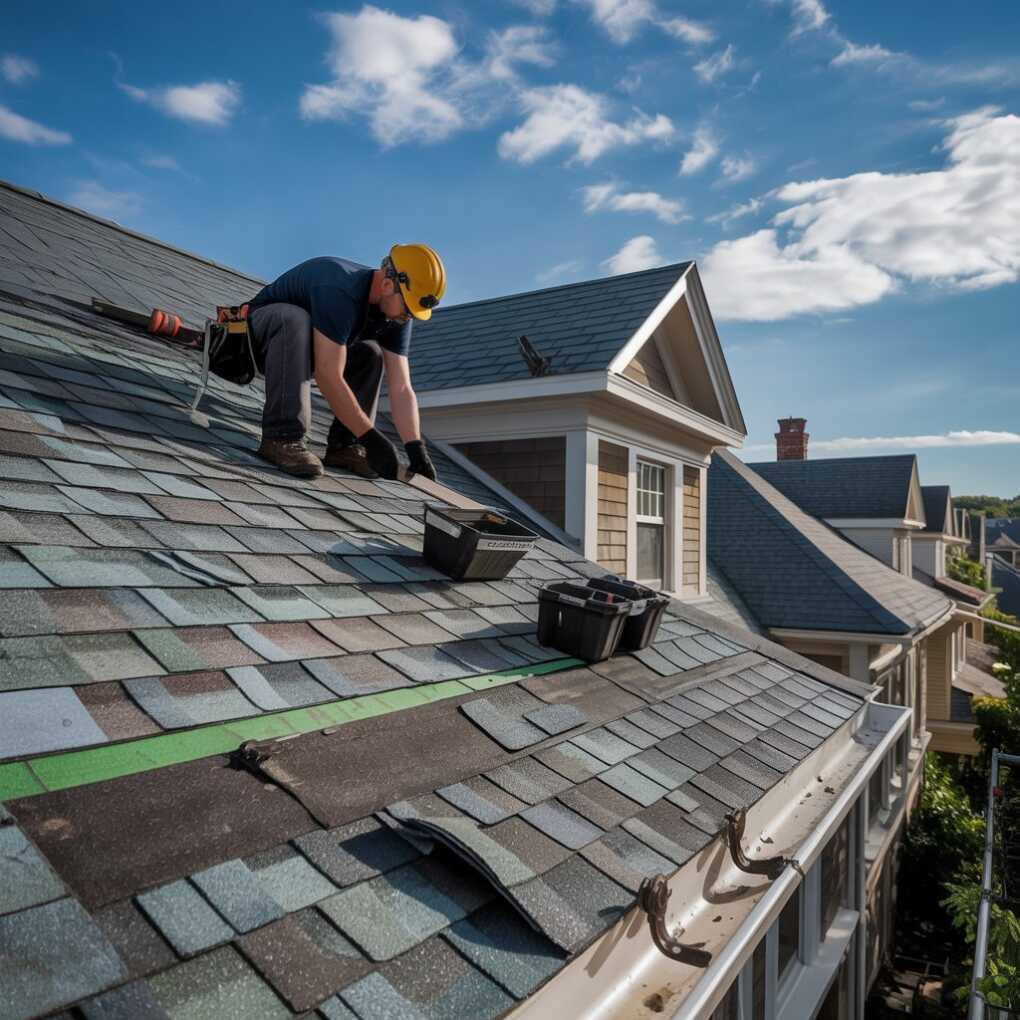
Many homeowners assume a newly installed roof is maintenance-free for years to come. In reality, frequent inspections are necessary to catch potential problems early, even on modern roofs. Adverse weather, installation errors, or debris can all contribute to issues regardless of roof age. Organizations like the National Roof Certification and Inspection Association recommend regular checkups to prolong a roof’s lifespan and prevent minor issues from becoming major burdens.
Myth 2: All Roofing Materials Are the Same
It’s a mistake to believe all roofing materials perform equally. Products such as asphalt shingles, metal panels, and tile offer unique attributes—and each has strengths and weaknesses depending on your home’s location and local climate. Metal roofs, for example, are prized for their durability and thermal reflectivity, while asphalt roofs remain a popular choice for affordability. Always select a roofing material tailored to your specific needs, local weather conditions, and energy-efficiency goals. For further reading, review this comprehensive roofing materials guide from Fine Homebuilding.
Myth 3: DIY Roof Repairs Save Money
Attempting a do-it-yourself roof repair can seem cost-effective until something goes wrong. Roofing work is risky and requires experience, proper tools, and knowledge of building codes. Inexperienced repairs may cause personal injury, lead to further structural issues, or void your roof’s warranty. Professional roofers recognize subtle signs of deterioration and follow best practices, saving homeowners money by preventing costly repairs down the road.
Myth 4: Adding a New Layer of Shingles Is Just as Good as a Full Replacement
Laying new shingles directly over old ones might seem like a shortcut to savings, but it often creates more problems than it solves. Covering old shingles can hide underlying rot, damage, or ventilation issues, while the added weight may stress your roof framework. Full tear-offs allow roofers to remedy hidden concerns and create a solid foundation for new materials, making this the preferred method for lasting repairs.
Myth 5: Roof Warranties Cover Everything
Roof warranties can provide peace of mind, but assuming they cover every potential repair or replacement is risky. Most warranties include various limitations and may exclude damage from neglect, improper maintenance, or unapproved repairs. Always read your warranty documentation carefully and communicate with your contractor to clarify what’s covered under your policy.
Myth 6: Roofs Only Need Replacement When They Leak
Visible leaks are clear warnings of roof failure, but waiting for water to drip into your living space can leave you with expensive repairs. Warning signs such as bald or curling shingles, sagging areas, or excessive granules in gutters all signal it’s time to inspect or replace your roof. Early intervention keeps costs manageable and shields your entire home from moisture damage.
Myth 7: Metal Roofs Make Homes Hotter
Contrary to popular belief, metal roofs do not cause your home to overheat. In fact, many metal roofing products feature reflective coatings that help deflect solar heat, improving home energy efficiency and reducing air conditioning costs. For homeowners concerned about rising utility bills, metal is often one of the coolest and most eco-friendly roofing options available.
Myth 8: All Roofing Companies Offer the Same Quality
Choosing the right roofing contractor can mean the difference between a durable roof and one that fails prematurely. Workmanship quality, materials, warranties, and custom artistry vary greatly between providers. Take time to research contractors, check references, and read reviews from sources to ensure you hire a reputable professional for repairs or replacements. By staying informed and challenging widespread roof repair myths, homeowners can proactively care for their roofs and prevent unforeseen headaches. Investing in trusted expertise and regular upkeep goes a long way in protecting your property’s value and your family’s safety.