
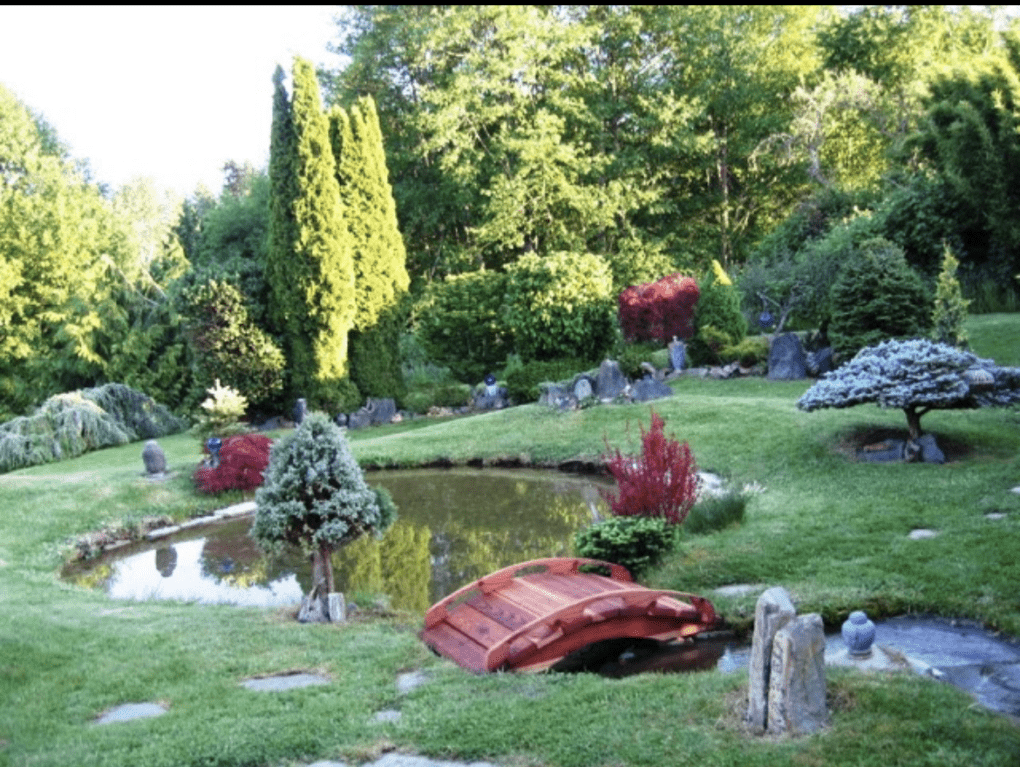
Creating a beautiful outdoor space in California requires more than choosing attractive plants and adding a few decorative features. The climate, the soil, the amount of sun, the slope of the land, and the need for efficient water use all play a major role in how a garden should be designed. That is exactly why garden bridges can be such a powerful feature. They bring structure, beauty, movement, and a sense of elegance to a landscape, while also helping define the character of the entire garden.
Among all styles and materials, Redwood Garden Bridges are especially appealing in California. They suit the natural spirit of the region, work beautifully in both traditional and modern landscapes, and pair especially well with dry creek beds, ponds, stone paths, shaded retreats, and water-wise planting schemes. When designed properly, garden bridges do far more than connect two points. They create atmosphere, frame views, and transform an ordinary yard into a memorable outdoor setting.
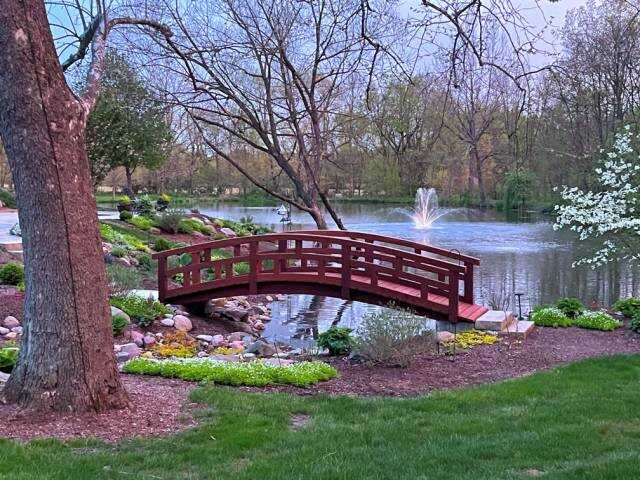
Why Garden Bridges Work So Well in California Gardens
California gardens are rarely one-dimensional. Even a small yard can benefit from a sense of layering, movement, and visual rhythm. This is where garden bridges become so effective. A bridge adds a change in line and elevation, which immediately makes the garden feel more thoughtful and more complete.
In many landscapes, the eye moves across patios, lawns, flower beds, and pathways without interruption. A garden bridge breaks that flat visual pattern. It draws attention, slows the viewer down, and creates a focal point that feels both decorative and purposeful. In California, where many homeowners want a garden that feels serene, natural, and refined, garden bridges are often the perfect finishing touch.
They also work in a surprisingly wide range of settings. A bridge can cross a pond, a gravel stream, a dry creek bed, a rain garden, or simply connect two planting zones. It does not always need real water below it. In fact, some of the most beautiful garden bridges in California are placed over dry landscape features that support a more drought-conscious design.
Why Redwood Garden Bridges Are an Ideal Choice
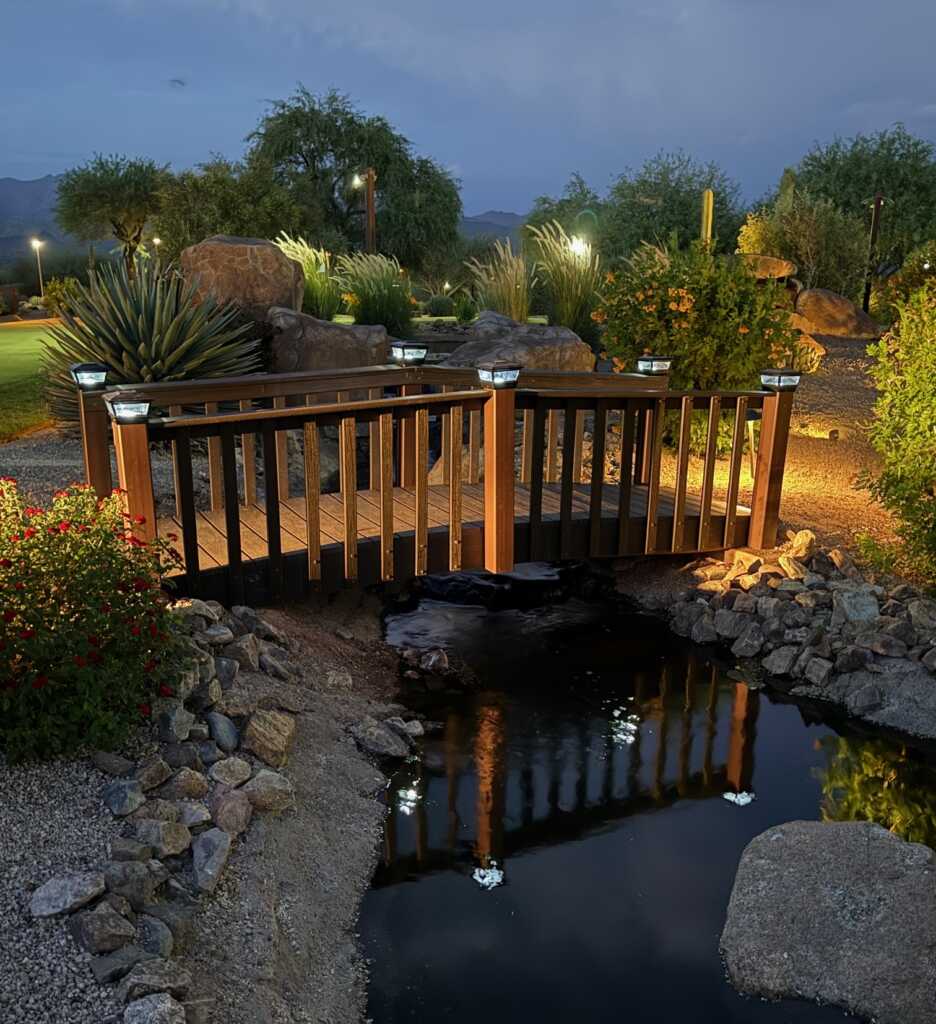
When people imagine elegant wooden garden bridges, redwood is often the material that best matches that vision. Redwood Garden Bridges have a warmth and richness that make them stand out without looking artificial or excessive. The tone of redwood blends naturally into California landscapes, especially where stone, gravel, bark mulch, and soft green planting are used nearby.
Redwood also suits several major design directions common in California. In a rustic garden, it feels organic and established. In a Japanese-inspired garden, it feels calm and timeless. In a Mediterranean or drought-tolerant landscape, it adds warmth against gravel, decomposed granite, and sculptural shrubs. In a woodland setting, it looks as if it has always belonged there.
Another reason Redwood Garden Bridges are so desirable is their visual versatility. They can be used in natural gardens, luxury landscapes, compact urban backyards, sloped hillside gardens, and larger estate-style properties. Few materials can adapt so easily while still looking elegant.
Understanding California Before Adding Garden Bridges
A successful California garden always starts with the site itself. This is especially important when planning garden bridges. California is not one single garden environment. Coastal areas can be cool, foggy, and moist, while inland zones may be dry, hot, and exposed to intense sun. Some gardens sit on flat suburban lots, while others are built into hillsides or canyon edges. That means a bridge must be chosen and positioned with the surrounding conditions in mind.
Sun and Heat Exposure
A bridge placed in full inland sun will feel very different from one set in a cooler, shaded coastal garden. The surrounding plant palette, path materials, and overall mood of the space should match those conditions. A hot, bright site may call for a more open, drought-tolerant design. A cooler garden may support a softer, greener look around the bridge.
Drainage and Slope
Many California landscapes include some form of slope, runoff channel, or drainage challenge. In such spaces, garden footbridges can do more than add charm. They can help guide movement through the garden while working with the natural shape of the land. A bridge over a dry creek bed, for example, can turn a practical drainage solution into a beautiful focal point.
Water-Wise Design
Modern California landscaping often favors gardens that use water responsibly. That makes garden bridges especially useful, because they can elevate dry landscape features and make them feel intentional and luxurious. A bridge over stone, gravel, and drought-tolerant planting can look every bit as elegant as a bridge over water, while fitting much better into a climate-conscious garden.
Best Places to Use Garden Bridges in a California Landscape
A bridge is most successful when it feels natural within the layout. It should look as though the garden was designed around it, not as though it was added at the very end as a random ornament.
Garden Bridges Over Dry Creek Beds
This is one of the best uses for garden bridges in California. A dry creek bed introduces texture, natural movement, and a sense of realism to the landscape. When paired with Redwood Garden Bridges, the result is both practical and beautiful. The warm wood contrasts perfectly with stone and gravel, while drought-tolerant plants can soften the edges.
Garden Bridges Near Ponds
A pond and bridge combination is a timeless choice. It brings calmness and strong visual appeal to the garden. In California, this works especially well in more shaded, lush gardens or in Japanese-inspired landscapes where reflection and stillness are important.
Small Garden Bridges in Compact Yards
A small yard does not prevent the use of small garden bridges. In fact, a compact bridge can create a sense of destination and character in a modest space. A small bridge over a narrow gravel channel or planting ribbon can make the garden feel far more designed and much more memorable.
Garden Footbridges on Sloped Properties
On larger lots or hillside landscapes, garden footbridges can help connect separate outdoor rooms. They can lead from a patio to a shaded retreat, from a lawn area to a vegetable garden, or from one terrace to another. In these cases, the bridge becomes part of the actual experience of moving through the property.
Types of Garden Bridges to Consider
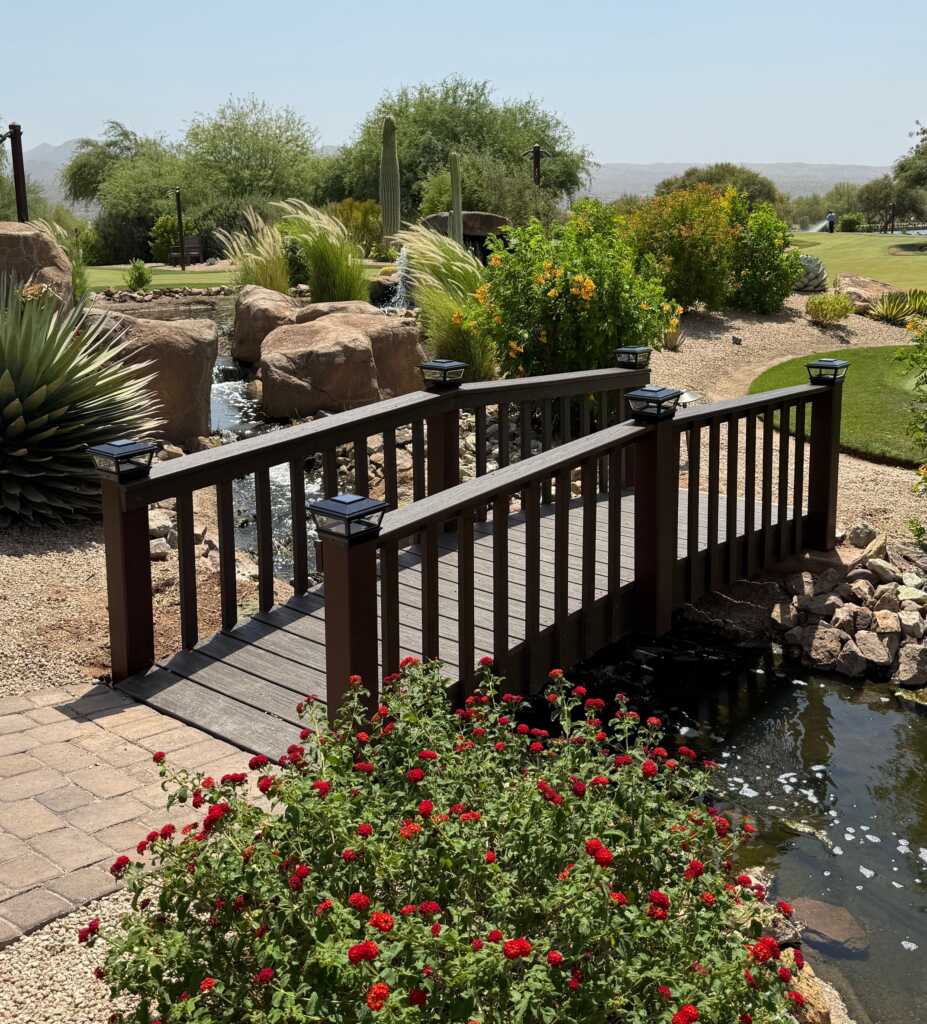
Not all garden bridges create the same effect. Their form influences how the entire garden is perceived.
Arched Garden Bridges
Arched garden bridges are the most iconic. They create a graceful rise and a stronger visual statement. They are perfect when the bridge is meant to be a major focal point, especially in classic, romantic, or Japanese-inspired gardens.
Best Use for Arched Garden Bridges
Ponds, woodland gardens, and traditional landscapes
Flat Garden Bridges
Flat wooden garden bridges feel quieter and more contemporary. They work especially well in modern California gardens where the design is clean, restrained, and architectural.
Best Use for Flat Garden Bridges
Gravel gardens, minimalist spaces, and modern backyards
Decorative Garden Bridges
Decorative garden bridges focus heavily on aesthetics. They may include elegant railings, refined detailing, or a more sculptural appearance. These are ideal where visual impact matters just as much as function.
Best Use for Decorative Garden Bridges
Front-yard focal points, luxury landscapes, and curated show gardens
Small Garden Bridges
Small garden bridges are ideal for tight spaces and subtle garden transitions. They are easier to integrate naturally and often feel more refined than oversized bridge designs.
Best Use for Small Garden Bridges
Courtyards, urban gardens, side yards, and compact backyard retreats
How to Design Around Redwood Garden Bridges
A bridge should never stand alone without support from the surrounding landscape. The planting, paths, textures, and views around it are what make it feel complete.
Use the Bridge as a Focal Point
The bridge should have a clear visual role. That means it should either be visible from a key viewpoint or appear at the right moment as someone moves through the garden. A bridge hidden carelessly behind overgrown plants will lose its impact.
Frame the Bridge with Planting
Planting around Redwood Garden Bridges should soften the structure without burying it. Low grasses, compact shrubs, groundcovers, and selected accent plants work far better than heavy, oversized planting that overwhelms the bridge.
Create a Sense of Arrival
A bridge becomes more powerful when it leads somewhere meaningful. It might connect to a bench, a shaded sitting area, a small patio, a quiet reading corner, or a beautifully planted path. That sense of destination gives the bridge purpose.
Repeat Materials for Cohesion
If the bridge is made of redwood, it often helps to repeat similar warm wood tones elsewhere in the garden. A matching bench, planter edge, pergola detail, or timber gate can make the whole design feel more intentional.
Planting Ideas Around Garden Bridges in California
The best planting around garden bridges depends on the mood of the garden and the local climate. Still, some general design directions work especially well.
Coastal California Style
In cooler and softer coastal landscapes, bridges look beautiful with ferns, sedges, heuchera, low grasses, and layered evergreen planting. The mood should feel calm, slightly lush, and natural.
Inland California Style
In hot inland gardens, garden bridges often look best with deer grass, salvias, yarrow, manzanita, gravel mulch, and boulders. This creates a clean California look that feels drought-conscious yet highly designed.
Japanese-Inspired Style
For this type of garden, Redwood Garden Bridges pair beautifully with clipped shrubs, carefully placed rocks, fine-textured planting, and open gravel or moss-like ground layers. The overall effect should be restrained, peaceful, and highly intentional.
Woodland Style
Where there is natural shade, a bridge can be surrounded by bark mulch, ferns, shade-tolerant perennials, layered shrubs, and natural stone. This works especially well in Northern California or canyon gardens with a more sheltered character.
How Garden Bridges Improve Small Gardens
Many people assume garden bridges belong only in large properties, but that is not true. A small bridge can actually have a stronger effect in a compact landscape because it introduces structure where every detail matters.
In a small garden, a bridge can help divide the space into visual zones. It can separate a patio from a planting area, make a narrow side yard feel like a destination, or give a simple backyard a feature that makes it unique. Small garden bridgesare often more elegant precisely because they are modest. They invite curiosity without overpowering the rest of the design.
Common Mistakes to Avoid
Even beautiful Redwood Garden Bridges can look awkward if they are used poorly.
Choosing a Bridge That Is Too Large
Oversized bridges can make a garden feel artificial and crowded. In most cases, a more restrained bridge looks more expensive and far more natural.
Placing the Bridge Without a Real Visual Purpose
A bridge should frame a view, connect spaces, or highlight a feature. If it is placed randomly in the middle of the yard, it may feel decorative in the wrong way.
Ignoring the Surrounding Landscape
The best garden bridges succeed because the area around them supports their presence. Without the right path, planting, and ground treatment, even a beautiful bridge can feel disconnected.
Overcomplicating the Design
Too many decorative elements around the bridge can make the space feel cluttered. A bridge is often strongest when the surrounding design is calm and well edited.
Why Garden Bridges Remain Timeless
Trends in landscaping change constantly, but garden bridges remain relevant because they offer something deeper than simple decoration. They create movement, romance, structure, and identity. They make the garden feel like a journey rather than just a collection of plants and hardscape elements.
In California, this is especially valuable. A garden often has to work hard visually because it may rely on dry materials, subtle planting, and climate-conscious choices rather than lush lawns and heavy flower displays. Garden bridges add elegance and storytelling to that kind of landscape. They make water-wise gardens feel richer, more layered, and more emotionally engaging.
Final Thoughts on Redwood Garden Bridges in California
A well-designed California garden should feel beautiful, natural, and appropriate to its setting. Garden bridges help achieve all three goals. They add structure without heaviness, visual interest without clutter, and charm without forcing the design. When made from redwood, they become even more fitting for the region, offering warmth, timeless beauty, and a distinctly Californian character.
Whether you are planning a compact backyard, a dry creek bed feature, a Japanese-inspired retreat, or a more expansive landscape, Redwood Garden Bridges can elevate the entire design. The key is to use them thoughtfully, keep the scale appropriate, and build the surrounding garden in a way that supports the bridge rather than competes with it.
This article was created in cooperation with netPOINT, a company specializing in e-commerce website development.