
Owning a swimming pool in Phoenix, Arizona, is both a luxury and a long-term commitment. With more than 300 days of sunshine each year, blazing summer heat, frequent dust storms, and high levels of mineral content in the water, pools in the Valley of the Sun face a unique set of challenges that directly affect how often repairs are needed. Understanding these patterns can help pool owners plan maintenance, avoid costly emergency fixes, and maximize enjoyment year-round.
The Desert Climate and Its Demands
Phoenix’s climate puts constant stress on a pool’s structure and equipment. Intense heat accelerates evaporation—sometimes as much as ¼ inch to more than an inch per day beyond normal evaporation—meaning water levels fluctuate dramatically if not managed. Constant sun also breaks down pool chemicals more quickly, making chemical imbalances a recurring issue that can indirectly damage surfaces and equipment.
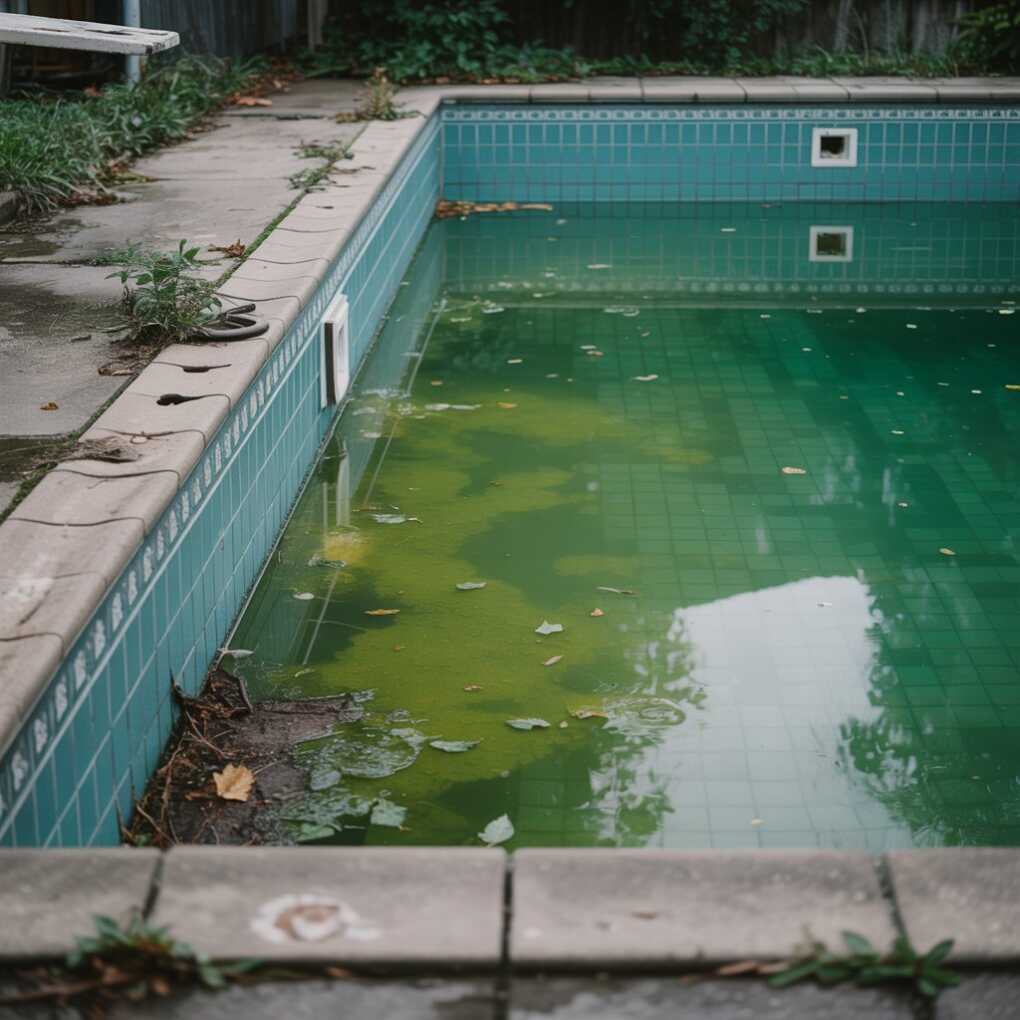
Dust storms and monsoon winds add another layer of complexity. Blowing sand and debris clog filters, scratch surfaces, and encourage algae growth if not removed promptly. This environmental load contributes to the need for frequent servicing and occasional repairs.
Routine Maintenance Prevents Most Repairs
At the foundation of any pool repair frequency discussion is proper maintenance. For most Phoenix pools, weekly servicing is the standard expectation—whether done by a professional service or the homeowner. A good weekly routine includes:
● Skimming debris from the surface
● Testing and balancing chemical levels
● Cleaning skimmer and pump baskets
● Brushing walls and tile
● Checking equipment for trouble signs
Professionals often recommend weekly visits to ensure water chemistry stays balanced and early signs of problems are caught. In peak summer or after monsoon storms, some pools may require bi-weekly visits or additional checks.
Weekly maintenance rarely constitutes “repairs” in the strictest sense, but it significantly reduces the frequency of costly repair work by catching small issues early.
Common Repair Frequencies in Phoenix
Even with solid maintenance, certain components will inevitably require professional repair or replacement:
1. Pool Pump and Motor
Pool pumps, which run long hours in Phoenix’s heat (often 8–12 hours a day), are among the most frequently repaired pieces of equipment. Bearings, seals, impellers, and motors suffer from heat stress and dust infiltration, meaning minor repairs may be needed every few years and full replacements often fall in the 5–7-year range.
2. Filters and Filtration Systems
Filters are subjected to constant desert dirt and organic debris. While cleaning and minor fixes happen frequently, a more thorough repair or component replacement often falls in the 3–5-year range depending on usage and type (sand, DE, cartridge).
3. Heaters and Heat Equipment
Even in warm climates like Arizona, heaters see patterns of use that can lead to corrosion, wiring, and thermostat issues. Most professionals recommend annual inspections and repairs as needed, with more substantial issues cropping up once or twice across a decade.
4. Plumbing Leaks and Structural Cracks
Leaks—whether in underground plumbing, fittings, or the pool shell—tend to arise less often than mechanical failures but can be serious when they do. A well-maintained pool may only need professional leak detection and plumbing fixes every 5–10 years, but extreme temperatures and ground shifting in the desert can accelerate this timeline.
5. Resurfacing and Major Renovation
The pool’s surface (plaster, pebble, quartz finish, etc.) wears over time. In Phoenix, most pools benefit from a major resurfacing about every 10–15 years to prevent aesthetic issues and water intrusion into structural materials.
Seasonal Repair Patterns
Phoenix pools often follow a seasonal repair rhythm:
● Spring — Pre-summer inspections and minor fixes help avoid big problems in peak heat.
● Summer — Equipment strain peaks. Pump and filter issues are most common.
● Monsoon Season (July–September) — Extra cleanings and rapid chemical balancing are critical; debris can prompt additional minor repairs.
● Winter/Off-Season — Fewer repairs needed, but heater and automation systems should be checked before cooler weather.
Budgeting and Planning
Even with great care, Phoenix pool owners should expect some repair costs every year—whether for replacement parts, minor plumbing fixes, or unexpected mechanical failures. Many professionals suggest setting aside a modest repair fund annually to handle these needs without stress.