
Daylight Savings Time is more than just changing the clocks—it’s also the perfect reminder to check in on your home’s HVAC system. As the seasons shift, your heating and cooling equipment must adjust to changing temperatures, longer daylight hours, and evolving comfort needs. Taking a few proactive steps now can improve efficiency, lower energy bills, and prevent unexpected breakdowns.
As you adjust your home for daylight savings, it’s crucial to ensure your heating system is in top condition. Regular maintenance can prevent unexpected breakdowns and improve efficiency. If you notice any unusual noises or inconsistent heating, it might be time to search for a reliable service provider. Consider looking for a trusted professional by searching for furnace repair near me to address any issues promptly. This proactive approach not only extends the life of your furnace but also ensures a comfortable and warm environment as the days grow shorter. Remember, a well-maintained HVAC system is key to a cozy home during the colder months.
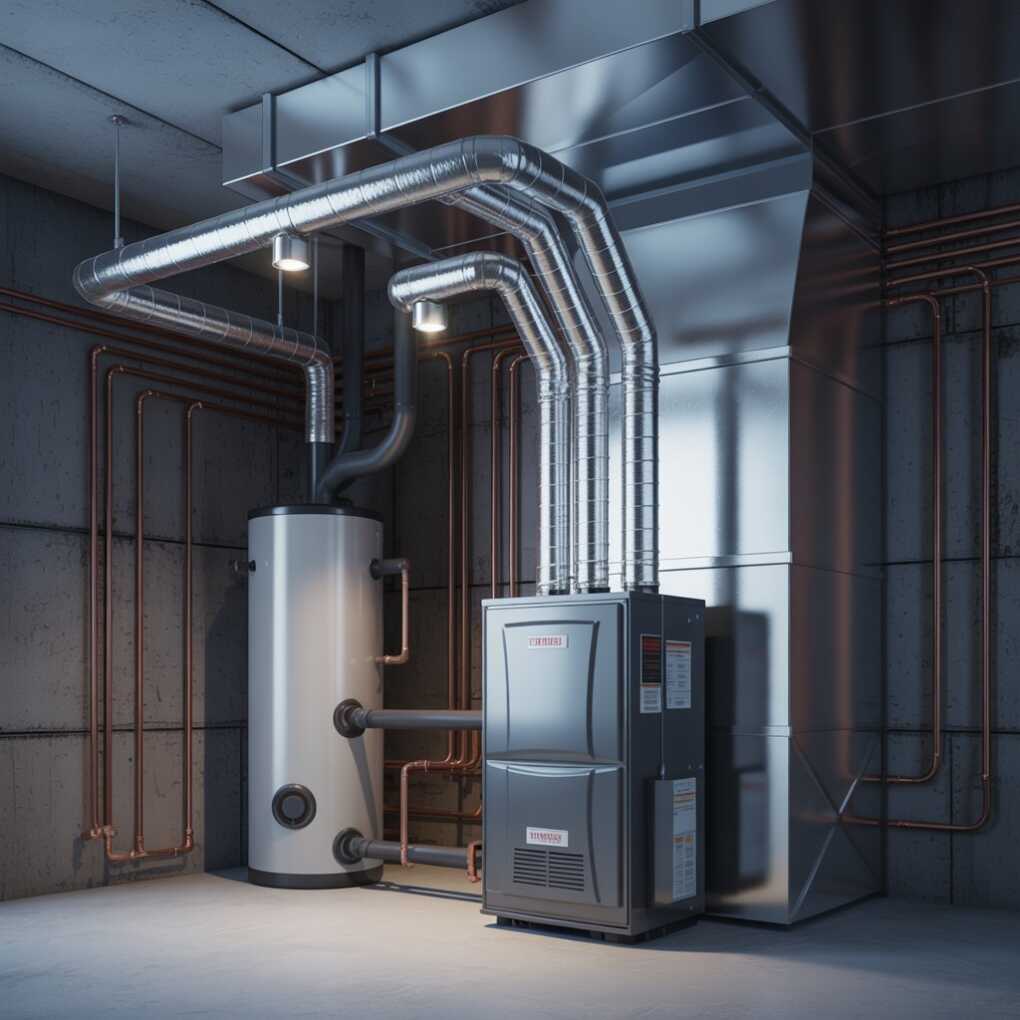
Here are some essential HVAC tips to follow when Daylight Savings Time arrives.
1. Update Your Thermostat Settings
When you change your clocks, take a moment to review your thermostat schedule. Longer daylight hours often mean warmer afternoons and cooler mornings, especially in spring and fall. Adjusting your temperature settings can reduce unnecessary system runtime and keep your home comfortable throughout the day.
If you use a programmable or smart thermostat, confirm that the schedule aligns with your household’s routine. If you’re unsure how to optimize settings, an experienced hvac contractor can help fine-tune your thermostat for seasonal efficiency.
2. Replace or Clean Air Filters
Daylight Savings Time is a great reminder to replace your HVAC air filter. Dirty filters restrict airflow, reduce efficiency, and strain your system. This can lead to higher energy bills and premature wear on components.
Most homes benefit from changing filters every 1–3 months, depending on usage, pets, and indoor air quality needs. Clean filters not only help your HVAC system perform better but also improve the air you breathe.
3. Schedule Seasonal HVAC Maintenance
Preventive maintenance is one of the most effective ways to extend the life of your system. Scheduling a seasonal inspection with a licensed hvac contractor allows small issues to be identified before they turn into costly repairs.
During a maintenance visit, a contractor will inspect electrical connections, clean components, check refrigerant levels, and ensure your system is ready for the upcoming season. Many homeowners choose to schedule maintenance during Daylight Savings Time because it aligns perfectly with seasonal transitions.
4. Check Air Vents and Ductwork
As you prepare for changing temperatures, make sure all air vents are open and unobstructed by furniture, rugs, or curtains. Blocked vents can create uneven heating or cooling and force your system to work harder than necessary.
This is also a good time to inspect visible ductwork for leaks or damage. If you notice inconsistent airflow or rising energy costs, an hvac contractor can perform a professional duct inspection.
5. Test Your System Before Extreme Weather
Before temperatures spike or drop dramatically, run your HVAC system to ensure it’s operating properly. Listen for unusual noises, watch for weak airflow, and pay attention to how quickly your home reaches the desired temperature.
Catching problems early gives you time to schedule service before peak demand hits, when appointments may be harder to secure.
Final Thoughts
Daylight Savings Time is the perfect seasonal checkpoint for HVAC care. Simple steps like adjusting your thermostat, replacing filters, and scheduling professional maintenance can make a big difference in comfort and efficiency. Partnering with a trusted hvac contractor ensures your system is prepared for whatever the next season brings—saving you money, energy, and stress all year long.