
Roof issues rarely start with dramatic leaks. They usually begin with small details that are easy to overlook, like faint discoloration or a slight damp smell after a storm. Over time, these quiet changes develop into concerns that affect both the structure and comfort of a home. Weather fluctuations and aging materials accelerate that process, especially when roofs go long periods without inspection.
In places like New Hope, where seasonal shifts are more pronounced, these early hints matter even more. A small sign may be the first indication that more serious damage is forming beneath the surface. This guide highlights the most important signals that require immediate attention, explains why they appear, and shows how timely action can prevent the situation from spreading into more expensive and disruptive repairs.
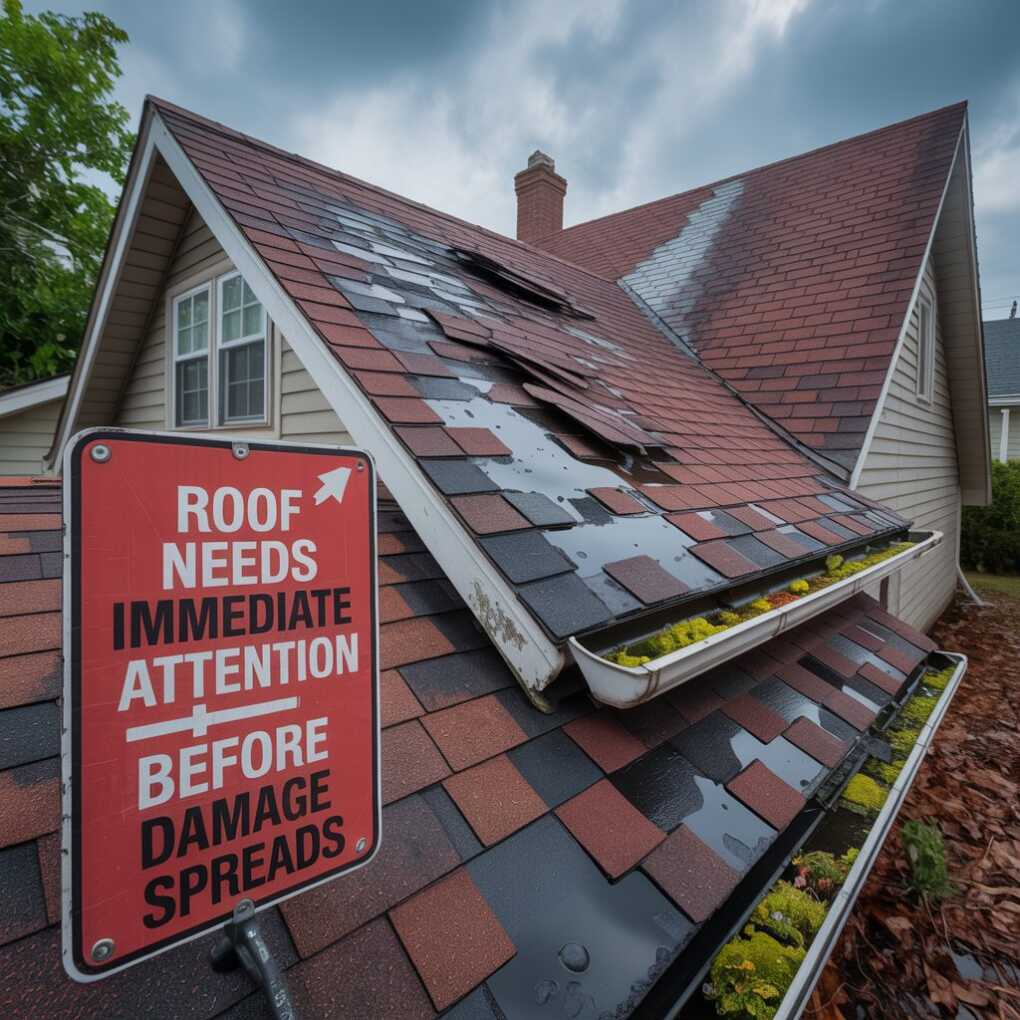
Look for Visible Exterior Damage
Exterior warning signs are often the first indicators homeowners notice, and they reveal a lot about the overall condition of the upper structure. Cracked or curling shingles suggest aging materials that are losing their ability to repel water. Missing shingles after wind or storms expose vulnerable sections that allow moisture to move beneath the surface and into underlayment layers. These issues may seem small, but they should never be ignored, because once water infiltrates the lower layers, it becomes much harder to control.
Another clear sign is sagging or uneven sections of the roof. Even slight dips indicate that moisture may have weakened wooden supports. Tiles that appear lifted at the edges or loose granules collecting in gutters also point to deteriorating materials. These exterior visual cues signal that internal layers are under strain and require prompt attention to prevent more serious structural problems.
Watch for Interior Warning Signals
Interior signs typically appear only after water has passed through multiple layers, making them among the most serious indicators. Ceiling stains often show up as faint rings or discolored spots that expand after rainfall. Bubbling paint, damp patches on upper walls, or peeling finishes are also common signs that moisture is moving inward and affecting the home’s surface layers. Once these interior changes start appearing, the situation is usually beyond what basic home fixes can handle without professional help.
This is often the stage where homeowners begin researching roof repair in New Hope, especially when moisture reappears after every storm. Local service providers like Martin Roofing & Construction understand how seasonal patterns affect older materials, enabling them to identify the underlying cause more accurately. Their familiarity with regional construction styles also helps them catch subtle issues that are easy to overlook. That combination of local experience and technical insight is what allows lasting solutions instead of short term fixes.
Pay Attention to Sounds and Smells
Not every warning sign is visual. Auditory clues can also reveal developing issues before they spread. Dripping sounds during rainfall often indicate that water is moving along beams or entering confined areas. Light tapping noises during high winds may occur when weakened sections shift slightly under pressure. These sounds are easy to overlook but often point to deeper issues developing behind the surface.
Smells provide even more unmistakable evidence. A musty or earthy odor in the attic suggests lingering moisture, which can saturate insulation or encourage mold growth. These odors typically grow stronger after rain or spikes in humidity. Because attic areas are often closed off, smells can concentrate quickly. Paying attention to both sounds and scents provides valuable early insight into hidden problems and helps catch moisture-related damage before it spreads further.
Check for Damaged or Rusted Flashing
Flashing plays a critical role in protecting weak points around chimneys, vents, and skylights. When metal flashing begins to rust, loosen, or separate from surfaces, it creates some of the fastest pathways for moisture to enter the home. Even small cracks or lifted edges can allow water to seep beneath during moderate rainfall, eventually reaching the wooden supports or interior walls. This type of damage is common after storms or when older materials begin to lose stability.
Visible rust around screws or seams is another sign of deterioration. Gaps forming between flashing and the surrounding materials should be taken seriously, as these areas are exposed to the most frequent water flow. Addressing flashing issues promptly helps prevent widespread damage and keeps water from reaching deeper layers of the structure. This simple inspection step can prevent major long-term repairs.
Conclusion
Early warning signs should never be taken lightly. Small changes in appearance, sound, or airflow often reveal deeper issues forming beneath the surface. Acting quickly prevents moisture from spreading into insulation, framing, and interior rooms. By staying aware of these signs and knowing when to seek expert support, homeowners can protect both the structure and long-term value of their property. With careful attention and timely intervention, even the earliest hints of damage can be managed before they grow into major repairs.