
Roof replacements are expensive. Most homeowners dread the prospect of spending thousands of dollars on something that doesn’t add a new room or update a kitchen. Yet many people ignore warning signs that could save them from that massive expense if addressed early.
Small roof problems rarely announce themselves dramatically. They start quietly and worsen gradually. By the time water stains appear on ceilings, significant damage has often already occurred. Learning to spot early warning signs can mean the difference between a minor repair bill and a full replacement.
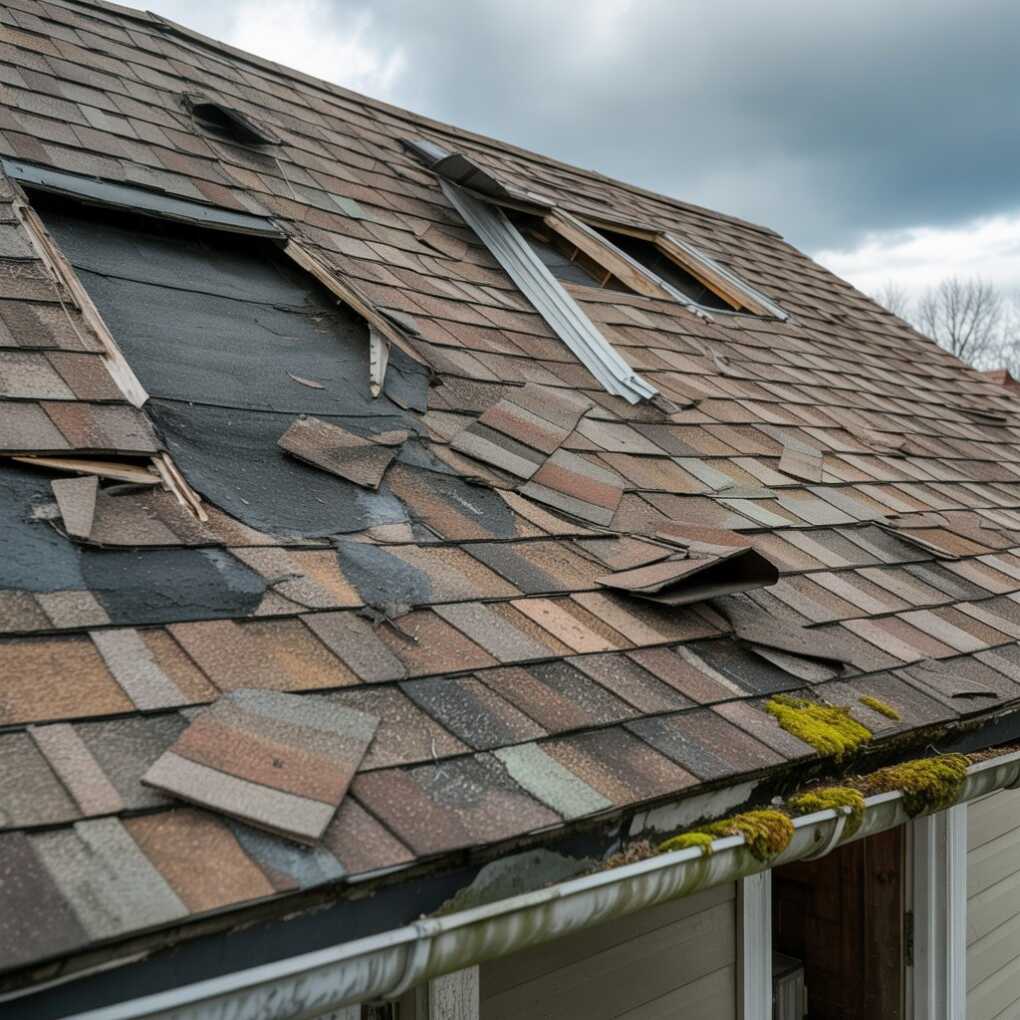
Shingle Warning Signs
Your shingles tell stories about your roof’s condition. You just need to know how to read them.
Curling shingles indicate trouble. Edges that turn upward or corners that lift away from the roof surface have lost their ability to shed water effectively. This curling often results from age, heat damage, or improper installation. Once shingles start curling, they become vulnerable to wind damage and water infiltration.
Cracked shingles present similar concerns. Temperature fluctuations cause roofing materials to expand and contract repeatedly over years. Eventually this cycling creates cracks that allow moisture entry. A few cracked shingles can be replaced individually. Widespread cracking suggests the entire roof is aging out.
Granule loss is easy to spot if you know where to look. Check your gutters after rainstorms. Those sandy particles collecting in the downspouts came from your shingles. Some granule loss is normal on newer roofs as excess material sheds. Heavy accumulation on an older roof signals that shingles are deteriorating and losing their protective coating.
Missing shingles obviously require attention. Even one missing shingle creates a vulnerable spot where water can penetrate to the underlayment and decking below.
Interior Clues
Sometimes the clearest evidence appears inside your home rather than on the roof itself.
Water stains on ceilings or walls often indicate roof leaks. These yellowish-brown spots don’t always appear directly below the leak source. Water travels along rafters and sheathing before finding a place to drip through. A stain in one room might originate from a leak several feet away.
Daylight visible through the roof boards is an obvious problem. If you can see light in your attic, water can certainly find its way through those same gaps.
Musty odors in the attic suggest moisture problems even when you can’t see visible water damage. That smell indicates mold or mildew growth, which only occurs when moisture is present. Finding the water source early prevents structural damage and potential health issues.
Increased energy bills sometimes trace back to roof problems. Poor ventilation, deteriorating insulation, and gaps that allow air exchange all force heating and cooling systems to work harder.
Structural Concerns
A sagging roofline demands immediate professional evaluation. This visible dip or curve indicates structural problems that go beyond surface materials. The underlying decking or support structures may be compromised by water damage or age. Sagging rarely reverses itself and typically worsens over time.
Damaged flashing around chimneys, vents, and skylights creates entry points for water. Flashing is the metal material that seals joints and transitions on your roof. When it rusts, cracks, or separates, leaks follow. Flashing repairs are relatively affordable when caught early.
Soft spots felt while walking on the roof indicate decking damage beneath the shingles. The underlying wood has likely rotted from moisture exposure. These areas need repair before new roofing materials can be installed effectively.
When to Act
Timing matters significantly with roof repairs. A small leak addressed quickly might cost a few hundred dollars to fix. That same leak ignored for a year can damage decking, insulation, drywall, and framing. Suddenly you’re facing a five-figure repair bill.
Seasonal timing also affects repair logistics. Addressing problems before rainy season arrives prevents water damage during storms. Roofing work during dry weather proceeds more smoothly and sometimes costs less.
Getting quality materials matters as much as getting quality labor. LA Roofing Materials supplies professional-grade products for repairs and replacements throughout Southern California. Working with reputable material suppliers ensures that repairs last rather than failing prematurely due to substandard products.
Inspection Recommendations
Most roofing professionals suggest annual inspections, particularly for roofs over ten years old. Spring inspections catch winter damage before summer heat worsens problems. Fall inspections prepare roofs for wet weather ahead.
Homeowners can conduct basic visual inspections themselves. Walk around your home and look up at the roof with binoculars. Check for obvious issues like missing shingles, visible damage, or debris accumulation. Note anything concerning and mention it to a professional.
However, walking on roofs presents safety risks for untrained individuals. Steep pitches, fragile materials, and fall hazards make professional inspections worthwhile. Roofers know what to look for and can spot developing problems before they become emergencies.
Your roof protects everything beneath it. Paying attention to warning signs and acting promptly on repairs protects your investment and your home.