
Moving into a new home is an exciting milestone that marks a fresh chapter in your life. However, coordinating a move involves a massive amount of planning, packing, and administrative tracking. Among the chaos of organizing logistics, updating addresses, and setting up utility lines, one critical task must never be overlooked: executing a deep clean of the new property before your furniture and boxes arrive.
Cleaning an entirely empty house is significantly faster and more thorough than working around heavy belongings later. Choosing to hire an expert company like PROCLEAN to execute this pre-move sanitization allows you to focus on moving logistics while a specialized crew eliminates the previous tenant’s deep-set dirt, dust, and odors. This step ensures that your family steps into a fresh, completely sterile living environment on move-in day.
Stepping into a home that has been thoroughly sanitized provides immediate peace of mind. It ensures you are starting fresh, completely free from the hair, skin cells, and dander left behind by prior occupants.
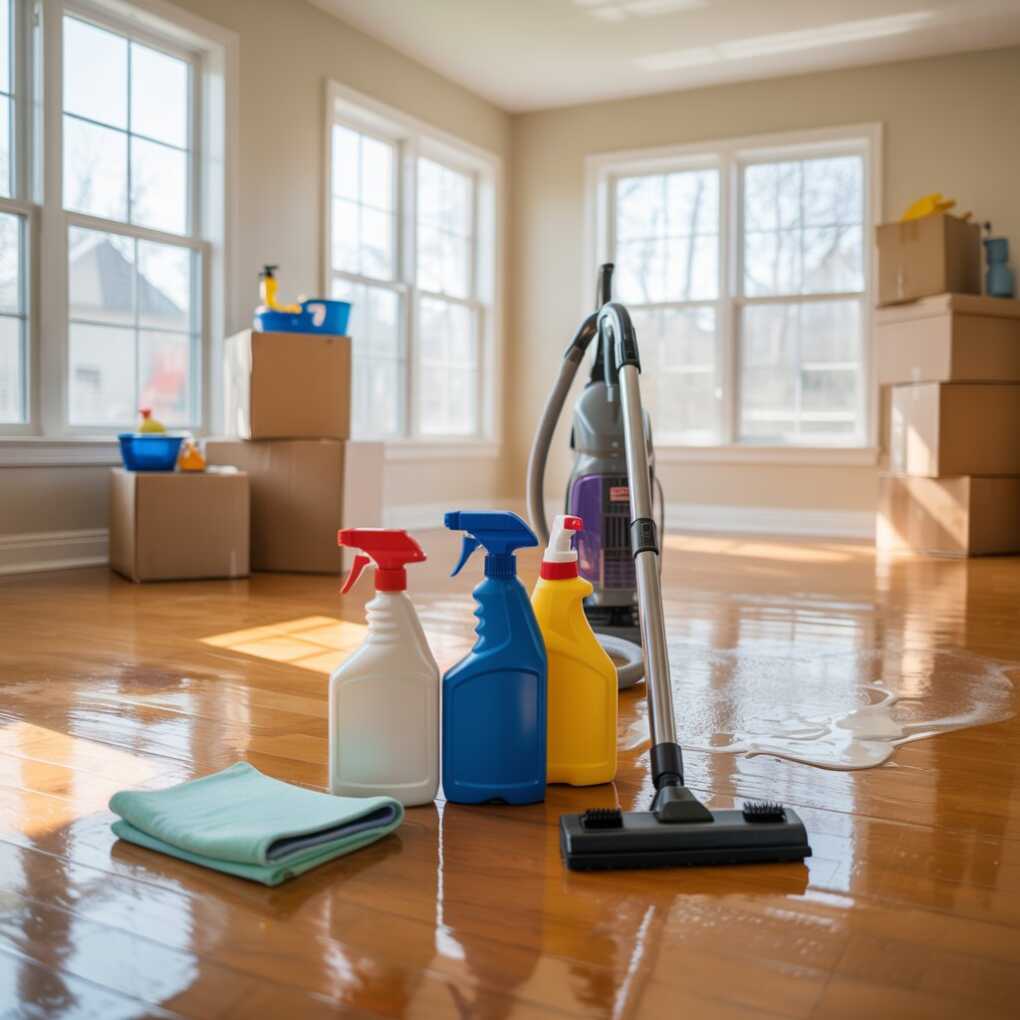
Why Pre-Move Sanitization is Crucial for Homeowners
An empty property provides a unique, short-lived opportunity to clean areas that will soon be permanently hidden by large furniture pieces and electronics.
Unhindered Access to Critical Home Corners
Without beds, couches, and bookshelves in the way, you can easily clean every inch of the property. Baseboards, closet interiors, corner flooring, and heat registers are completely exposed, allowing for wall-to-wall sanitation that is impossible to execute once your items are unpacked.
Removing the Invisible Footprint of Previous Tenants
Even if a property looks tidy on the surface, microscopic allergens and pet dander remain embedded inside carpets, drawers, and cabinets. A comprehensive scrub down completely removes these hidden residues, transforming an unfamiliar building into your true personal sanctuary.
Finding Hidden Property Maintenance Needs
As you carefully scrub down walls, windows, and cabinetry, you naturally inspect the entire property closely. This detailed process helps you catch plumbing leaks, faulty electrical sockets, or broken window latches before they turn into expensive headaches down the road.
Step-by-Step Move-In Cleaning Order of Operations
To clean an empty house efficiently without wasting time, you must follow a logical sequence. Always work from the top of a room downward, and clean from the back of the house toward the front entry door.
Phase 1: High-Level Dusting and Ceiling Fixtures
Start by removing cobwebs from ceiling corners. Clean light fixtures, ceiling fans, and HVAC vents. Any dust or debris knocked loose during this phase will fall to the ground and be swept up later when you address the lower surfaces.
Phase 2: Window Glass and Slider Track Prep
Wipe down the interior glass panes of all windows. Use a thin vacuum attachment or a stiff brush to clear out dirt, dust, and dead bugs from the window tracks, then wipe down the window frames and blinds.
| Property Segment | Required Tasks to Complete | Recommended Tools | Status |
| Ceilings & Vents | Dust fan blades, clean air vents, remove cobwebs. | Extendable duster, microfiber cloth | [ ] |
| Window Systems | Clean interior glass, vacuum tracks, wipe down sills. | Glass cleaner, crevice vacuum tool | [ ] |
| Kitchen Cabinets | Sanitize internal shelving and wash exterior doors. | Warm soapy water, drying towel | [ ] |
| Kitchen Appliances | Clean oven interior, sanitize inside the refrigerator. | Heavy-duty degreaser, utility sponge | [ ] |
| Bathroom Fixtures | Disinfect toilet, descale shower grout, polish faucets. | Bleach sanitizer, grout brush | [ ] |
Phase 3: Kitchen Deep Sanitization
The kitchen requires the most intensive cleaning effort in the house. Pull out all refrigerator shelves and bins to wash them in warm, soapy water. Scrub the interior oven walls to remove old grease, and sanitize the inside and outside of every single cabinet and pantry shelf.
Phase 4: Bathroom Sterilization and Descaling
Sanitize the toilet completely, including the base, seat, and the area behind the water tank. Use a professional tile cleaner to remove old soap scum from the shower walls, and polish chrome faucets to remove hard water mineral deposits.
Phase 5: Deep Floor Vacuuming and Mopping
Finish the process by vacuuming all carpeted rooms thoroughly, ensuring you reach deep into closet corners. For hardwood, tile, or laminate flooring, use a specialized damp mop to pull up the final layers of dust, letting the floors dry completely before moving boxes inside.
The Ultimate Move-In Supply Toolkit
If you choose to manage this cleaning project on your own, make sure you have a fully stocked supply bucket ready on day one so you do not have to interrupt your workflow to run to the store.
- Heavy-Duty Trash Bags: Essential for collecting packing paper, old shelf liners, and left-behind junk.
- A Variety of Scrub Brushes: Different sizes and bristle stiffness help you clean delicate glass as well as stubborn oven grease.
- Personal Protective Equipment: Heavy rubber gloves and a face mask shield you from strong chemical vapors and old dust clouds.
Frequently Asked Questions
When is the best time to schedule a move-in cleaning?
The ideal time is one to two days before your moving truck arrives. This ensures the house is perfectly clean and the floors are dry before boxes cover the space.
Can I use standard bleach on hardwood floors?
No, bleach will ruin wood finishes and discolor the timber. Always use a dedicated, pH-neutral hardwood floor cleaner.
How do I remove strong cooking smells left by past occupants?
Boil a pot of water with vinegar and lemon slices on the stove, leave bowls of baking soda in the rooms overnight, and replace the main HVAC air filters.
Should I vacuum out the furnace vents when moving in?
Yes, vacuuming out air vent registers and replacing the furnace filter prevents old dust and allergens from circulating through your clean home.
What should I do if I find mold during my move-in cleaning?
Small patches can be treated with vinegar or commercial mold killer, but extensive mold in walls or ceilings requires professional remediation before you move in.