James Hardie fiber cement siding typically costs 40–60% more than vinyl siding, yet thousands of homeowners willingly pay the premium each year.
This guide breaks down everything you need to know before making that investment, from what fiber cement actually is to how it compares with vinyl, how long it lasts, and when it truly makes sense for your home.
What Is Fiber Cement Siding?
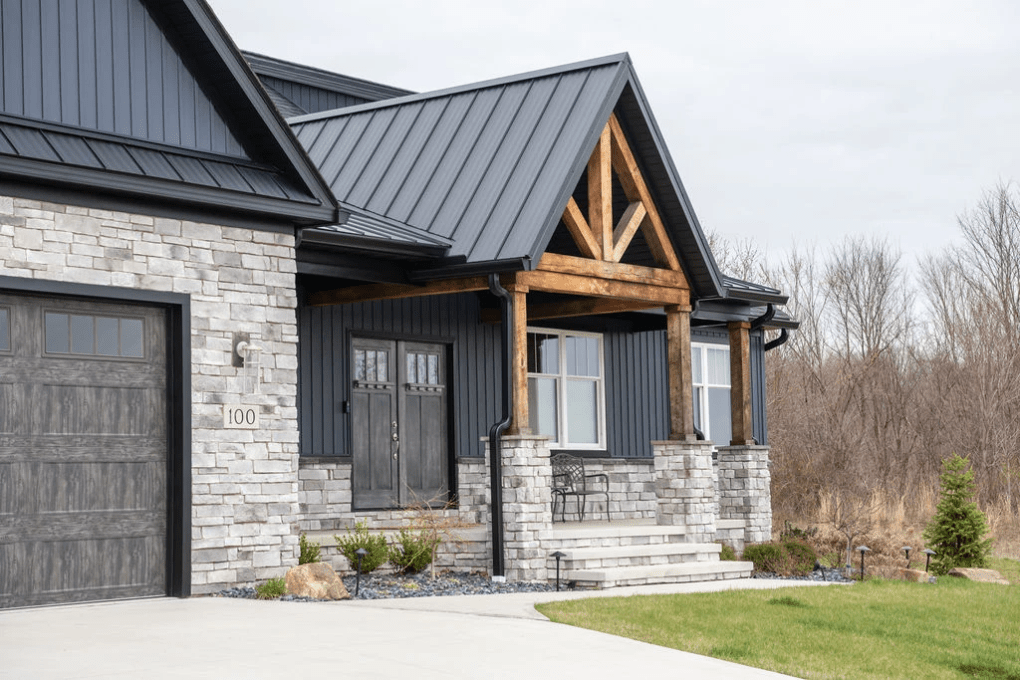
Fiber cement siding is a durable exterior material combining cement, sand, and fibers, offering masonry strength with traditional siding versatility.
What Fiber Cement Is Made Of
Fiber cement siding is composed of:
- Portland cement for strength and rigidity
- Sand for durability and weather resistance
- Cellulose fibers for flexibility and crack resistance
- Water to bind the materials during manufacturing
How Fiber Cement Siding Is Manufactured
Unlike vinyl siding, which is extruded as hollow panels, fiber cement boards are:
- Formed in controlled factory environments
- Pressed into solid planks or panels
- Cured for strength and dimensional stability
Why James Hardie Is the Industry Leader
James Hardie didn’t just popularize fiber cement; they refined it. The brand is known for:
- Rigorous product testing
- Region-specific formulations for different climates
- Consistent thickness, texture, and finish quality.
James Hardie Siding vs. Vinyl Siding: How Do They Really Compare?
| Factor | Fiber Cement | Vinyl |
| Durability | Resists cracking, warping, and melting; non-combustible | Can crack in cold, warp in heat, and be subject to impact damage |
| Appearance | Thicker, mimics wood grain, deeper shadow lines | Flatter look, can show waviness over time |
| Maintenance | Occasional washing, long-lasting paint | Color fades, panels may need replacement |
| Lifespan | 30–50 years | 20–30 years |
| Cost | Higher upfront, better long-term value | Lower initial cost, more frequent repairs |
If durability is a priority, fiber cement consistently outperforms vinyl in real-world conditions. Fiber cement is thicker and more rigid, allowing it to mimic natural wood grain better, create deeper shadow lines, and maintain straight, clean lines over time. Vinyl siding, while available in many colors, often looks flatter and can show waviness as it ages, especially in warmer climates.
For homeowners planning to stay put or who care about long-term value, the math often favors fiber cement.
Lifespan & Long-Term Value: Built to Last Decades
One of the biggest reasons homeowners choose James Hardie siding is longevity. Fiber cement siding lasts 30–50 years, outperforming vinyl’s 20–30-year lifespan and reducing replacement, repair, and disruption costs over time. Its solid composition resists warping, cracking, and loosening, creating a durable, long-term exterior system.
While vinyl may cost less upfront, fiber cement delivers greater long-term value, improved resale appeal, and lasting performance. Understanding the hidden impact of exterior maintenance on property value helps homeowners make smarter, decades-long investment decisions.
How James Hardie Siding Performs in Different Climates
Not all siding materials are designed to handle harsh conditions. James Hardie siding stands out because it’s engineered to perform where other options struggle.
Performance in Freeze-Thaw Climates
In colder regions, repeated freeze-thaw cycles can wreak havoc on exterior materials. Fiber cement siding remains dimensionally stable, resists cracking caused by temperature swings, and maintains tight seams year after year. Vinyl, by comparison, becomes brittle in cold weather and is more prone to breaking.
Moisture Resistance in Humid & Coastal Areas
In humid or coastal environments, moisture resistance is critical. Fiber cement siding does not rot or decay, resists mold growth, and performs well when paired with proper moisture barriers. Because it doesn’t absorb water like wood, fiber cement holds up far better in damp conditions.
Fire, Wind & Storm Protection
For homeowners in wildfire-prone or storm-prone areas, fiber cement’s non-combustible properties, resistance to flying embers, and strength against high winds and debris impact provide meaningful peace of mind.
Color Options & Finish Technology: Designed to Stay Beautiful
Color fading is one of the most common complaints with traditional siding. James Hardie addresses this issue with advanced finish technology designed for long-term performance.
Factory-Applied ColorPlus® Technology
Many James Hardie products come prefinished with:
- Factory-applied, baked-on color
- UV-resistant coatings
- Consistent coverage and thickness
Fade Resistance & Repaint Cycles
Compared to vinyl:
- Fiber cement colors fade more slowly
- Repainting is needed far less frequently
- Touch-ups blend more naturally
Through-Body Strength vs. Surface Color
While fiber cement color is applied to the surface rather than through the core, its dense structure means:
- Chips are less noticeable
- Boards don’t flex or distort
- Finish damage is far less common
Just as residential exterior painting reflects your home’s personality, the color and finish choices you make with James Hardie siding communicate your style and values to visitors and neighbors alike.
Styles Available with James Hardie Siding
One of the biggest misconceptions about fiber cement siding is that it limits design choices. In reality, James Hardie siding offers some of the most versatile style options available, making it suitable for everything from historic homes to modern builds.
Lap Siding
Lap siding is the most popular choice and for good reason:
- Clean, horizontal lines
- Timeless curb appeal
- Works well with traditional, coastal, and contemporary homes.
Board-and-Batten
Once limited to barns and farmhouses, board-and-batten siding is now a favorite for:
- Modern farmhouse designs
- Transitional architecture
- Accent walls and entryways
Shingle & Shake Panels
For homeowners drawn to classic cedar aesthetics, James Hardie shingles provide:
- Authentic texture and dimension
- Consistent spacing and alignment
- No splitting, curling, or insect damage
Cost Breakdown: What Does James Hardie Siding Really Cost?
Fiber cement siding is a premium product, and its pricing reflects that. Most homeowners can expect $6–$15 per square foot installed. This range depends on home size and layout complexity, style selection, removal of existing siding, and regional labor costs.
Fiber cement siding is heavier and more rigid than vinyl, requiring more precise cutting and fastening, proper flashing and moisture management, and skilled labor rather than speed-focused installation. While this increases upfront cost, it also results in a more secure, longer-lasting exterior system. When considering your investment, it’s helpful to understand how to plan a home renovation that fits both your budget and style.
When evaluating cost, homeowners should consider fewer repairs over time, longer replacement cycles, and improved resale value. For many, the higher initial investment is offset by decades of performance and reduced long-term expenses.
Warranty Coverage & Why Certified Installation Matters
James Hardie backs its products with a 30-year limited product warranty, one of the strongest in the siding industry. However, that warranty comes with an important condition: proper installation.
Warranty Coverage and What It Protects
James Hardie offers a 30-year limited product warranty that covers manufacturing defects, structural performance issues, and premature failure under normal conditions. This industry-leading warranty provides long-term confidence but depends entirely on following strict installation guidelines.
Why Certified Installation Matters
Proper installation is critical to siding performance and warranty protection. James Hardie requires certified installers to ensure correct moisture barriers, flashing details, fastening methods, and clearances; standards that Hoffman Exteriors, the experienced siding professionals follow to protect your home and investment.
When Fiber Cement Siding Makes Sense & When It Doesn’t
James Hardie siding isn’t the right choice for every homeowner. Fiber cement is a smart choice if you plan to stay in your home long-term, durability matters more than the lowest upfront cost, you live in a climate with temperature extremes or humidity, and curb appeal and resale value are priorities.
Vinyl may be better if budget is the primary concern, the home is a short-term investment, or minimal customization is desired. Understanding your goals is key to choosing the right siding, not just the cheapest option.
Is James Hardie Siding Worth the Investment?
James Hardie siding costs more upfront but delivers exceptional durability, long-term value, and architectural flexibility that vinyl can’t match. For homeowners focused on long-term performance rather than initial price, fiber cement offers confidence that the investment will last and protect your home for years to come.