
Installing a new furnace is a major home investment—one that impacts comfort, energy efficiency, and long-term operating costs. For homeowners, understanding what goes into a proper furnace installation can help ensure better performance and fewer issues down the road.
Before committing to a new system, it’s important to consider several key factors that influence how well a furnace will serve your home for years to come.
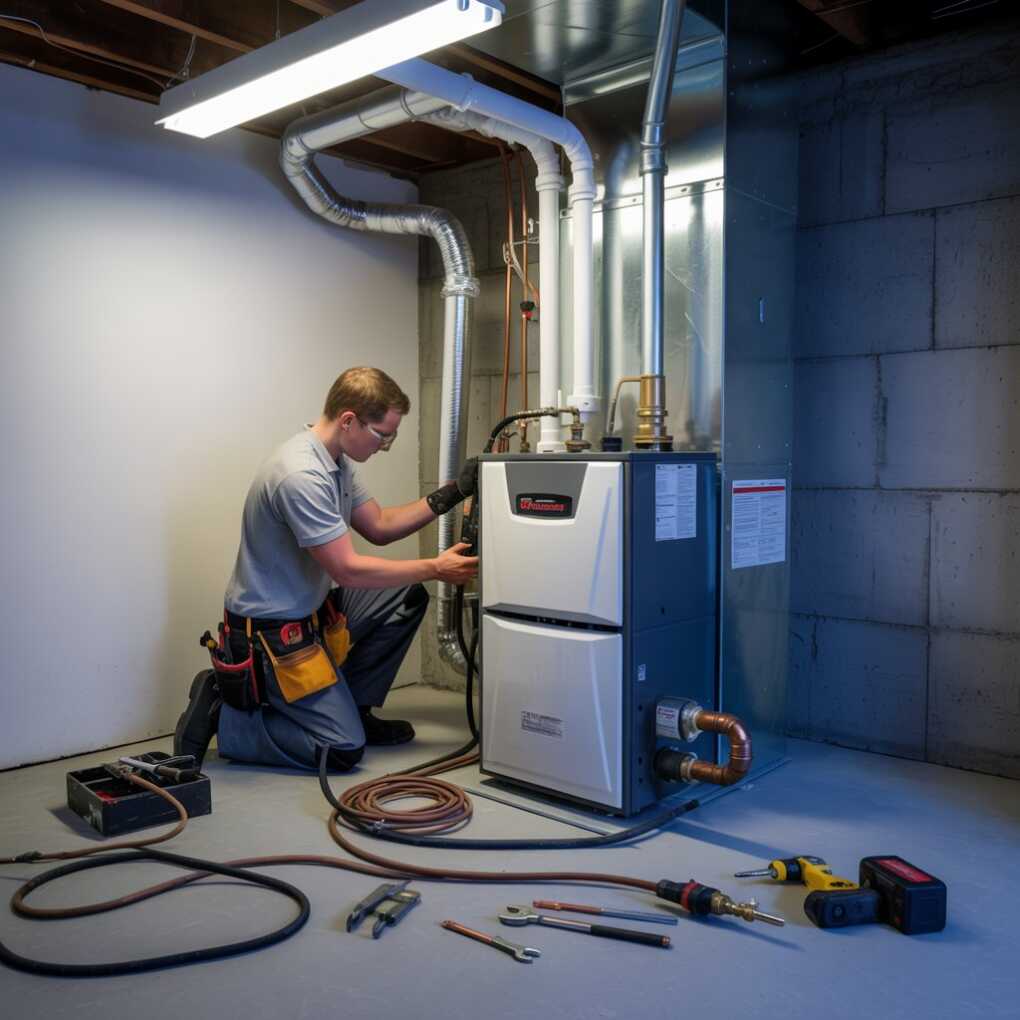
Proper Furnace Sizing Matters More Than You Think
One of the most common mistakes homeowners make is assuming a larger furnace will heat their home better. In reality, an oversized furnace can cycle on and off too frequently, leading to uneven temperatures, higher energy bills, and unnecessary wear on components.
On the other hand, an undersized unit may struggle to keep up during cold Midwest winters. Professional heating installation in Zionsville should always include a detailed load calculation to ensure the system is correctly sized for the home’s layout, insulation, and square footage.
Energy Efficiency Impacts Long-Term Costs
Modern furnaces are far more energy-efficient than systems installed even 10–15 years ago. Efficiency ratings, often measured by AFUE (Annual Fuel Utilization Efficiency), indicate how effectively a furnace converts fuel into usable heat.
While higher-efficiency systems may have a higher upfront cost, they typically result in lower monthly energy bills and improved indoor comfort. For homeowners planning to stay in their home long-term, efficiency is an important factor to weigh during the installation process.
Ductwork and Airflow Shouldn’t Be Overlooked
A new furnace can only perform as well as the ductwork that supports it. Leaky, undersized, or poorly designed ducts can limit airflow, reduce efficiency, and create hot and cold spots throughout the home.
Before moving forward with a heating installation in Zionsville, homeowners should ensure their duct system is inspected and updated if needed. Addressing airflow issues during installation helps maximize comfort and system longevity.
Installation Quality Is Just as Important as the Equipment
Even the best furnace won’t perform properly if it’s installed incorrectly. Improper setup can lead to efficiency loss, frequent repairs, and shortened equipment lifespan.
Professional installation ensures that electrical connections, gas lines, ventilation, and safety controls are handled correctly. It also helps protect manufacturer warranties, which often require certified installation.
Planning Ahead Prevents Cold-Weather Disruptions
Many homeowners wait until their furnace fails to consider replacement, often during the coldest time of year. Planning installation in advance allows for better system selection, scheduling flexibility, and fewer rushed decisions.
Replacing a furnace before it reaches the end of its lifespan can help homeowners avoid emergency situations and ensure uninterrupted comfort during winter months.
Final Thoughts
Installing a new furnace is about more than choosing a brand or model—it’s about proper sizing, efficiency, airflow, and professional workmanship. Homeowners who understand these factors are better equipped to make informed decisions and get the most value from their investment.
Working with a qualified HVAC professional ensures that the heating system is designed and installed to meet the specific needs of the home, delivering reliable comfort and efficiency for years to come.