
Living in a rental property in Canada presents a unique set of challenges when it comes to interior design and home comfort. Whether you are in a high-rise condo in Toronto, a basement suite in Vancouver, or a converted townhouse in Halifax, the windows are your primary connection to the outside world – and often your primary source of frustration. A window treatment can look perfect in a staged photo and still irritate you daily if it does not match how you actually live. That is why choosing windows blinds for a rental is less about permanent trends and more about predictable, portable performance.

Think about the specific stress moments that define rental life: a laptop screen that turns into a mirror during a remote work session, a street-level window that feels like a fishbowl once the sun sets, or a bedroom that never stays dark enough because of bright city streetlights. If your choice solves those moments while remaining easy to install and remove, everything else – colour, texture, and finish – becomes much easier to manage.
The Reality of the Canadian Rental Climate
Canadian tenants deal with two shifting forces at once: daylight patterns and extreme temperature swings. Summer can bring sunrises as early as 5:00 AM and sunsets that stretch past 9:00 PM. Winter brings a low-angle sun that creates sharper screen reflections and intense, bright glares off the snow. The right windows blinds choice helps you control the light you feel – not just the light you see. It is about creating a sanctuary that responds to the environment outside without violating your lease agreement.
While window coverings won’t replace a building’s insulation, they do create a vital, small buffer near the glass. In older Canadian rental units with drafty windows, this buffer can make a seating area feel significantly more comfortable in the winter. In the summer, it can prevent a sun-drenched apartment from turning into an oven. The biggest daily win for a tenant is comfort: fewer screen reflections, less squinting, and privacy that does not require living in total darkness with the lights on.

A Practical Framework for Tenants
When you are choosing window treatments for a space you don’t own, it is best to separate your goals into three categories: light style, privacy timing, and portability. Light style asks whether you want slatted control – redirecting light – or fabric filtering, which smooths the light out. Privacy timing asks whether you need coverage in the daytime (common for street-level units), nighttime, or both. Portability is the “tenant’s tax” – how easy is it to take these blinds with you, or can they be left behind as an upgrade with the landlord’s permission?
If you can name the room’s “main job,” the product category becomes much clearer. A rental living room usually needs balanced daylight and fast night peace of mind. A bedroom is about sleep consistency, especially if you have a neighbor’s porch light shining directly into your window. A kitchen or bathroom in a rental is almost always about easy cleaning and humidity resistance. Once the job is clear, choosing windows blinds becomes less about guessing and more about matching the tool to the task.
Material Choices for the Savvy Renter
Blinds are a precision tool for daylight because of their tilt control. You can keep a room bright while aiming direct light away from screens and seating. This is especially useful in Canada, where the winter sun can sit low and sharp.
- Faux Wood: This is the undisputed champion of the rental market. It is wipeable, humidity-tolerant, and incredibly durable. If you have kids or pets in a tight apartment, faux wood can handle the occasional bump without snapping.
- Aluminum: Lightweight and budget-friendly, aluminum is the go-to for many renters. Modern aluminum blinds are much sleeker than the versions from decades ago. They have a thin profile, which is excellent for the shallow window casings often found in newer condos.
- Real Wood: While beautiful, real wood is often a heavy investment for a rental. It adds warmth but is sensitive to humidity. It is best reserved for long-term tenants in drier rooms.
- Vertical Blinds: For the sliding glass doors leading to your balcony, fabric or vinyl verticals remain the most practical answer. They allow you to step outside without having to raise an entire heavy blind.
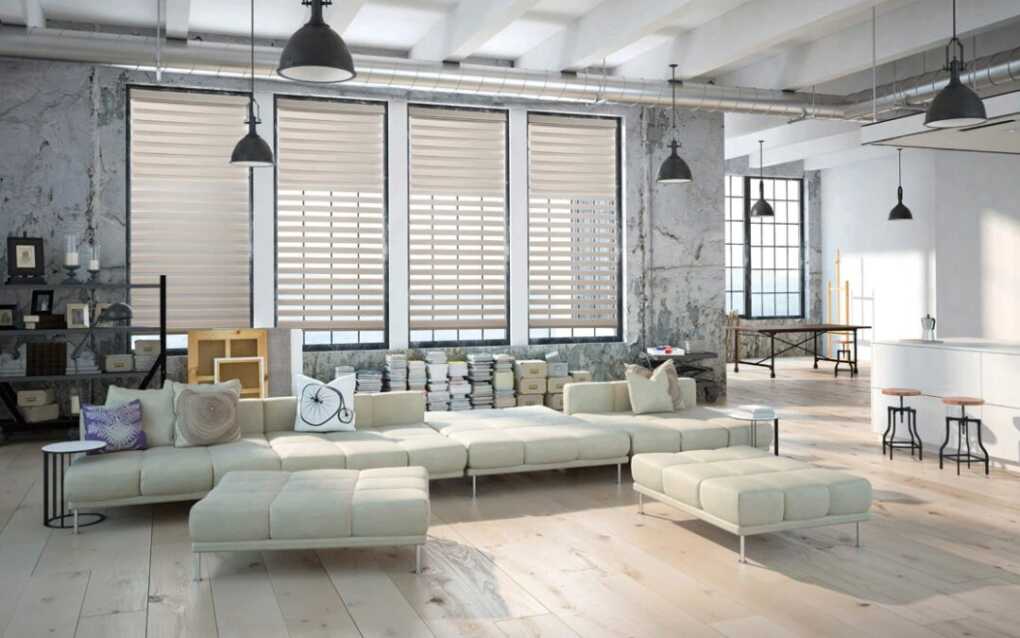
Measuring for a Damage-Free Fit
Most “bad blind” stories in rentals are not about a terrible product, but a mismatch between the window and the mount. For tenants, mount choice is critical because it determines how much “repair” work you’ll have to do when you move out.
An inside mount looks built-in and tidy. However, many newer Canadian apartments have shallow window frames that don’t allow for a flush fit. An outside mount is often a renter’s best friend. By mounting the blind on the wall or the trim above the window, you can hide “ugly” window frames and provide more total coverage, which helps privacy and reduces those thin “light leaks” along the edges.
For an inside mount, follow the three-point rule. Measure the width at the top, middle, and bottom, and use the smallest measurement so the blind fits inside the frame. Measure the height at the left, center, and right, and use the largest measurement so coverage does not come up short. If you have ever had a “mystery gap” on one side, it is often because the frame was not perfectly square – common in older Montreal or Winnipeg rentals – and the width was taken at only one point.
Room-by-Room Rental Solutions
- The Bedroom: Sleep consistency is the goal. Sunrise, streetlights, and reflected snow can all disrupt your rest. If you are sensitive to light, consider an outside mount with overlap to kill the “halo effect” of light entering from the sides.
- The Home Office: Glare control is your best friend for video calls. If you can redirect light upward using slats, you maintain brightness in your workspace without embarrassing reflections on your monitor.
- The Kitchen/Bathroom: Rental kitchens are often small and prone to steam. Moisture-resistant options like faux wood or aluminum reduce the risk of warping and are easy to wipe down after cooking.
- The Nursery: If you have a little one, safe, cordless operation is a non-negotiable priority. Cordless windows blinds not only look cleaner but eliminate the risk of entanglement, providing peace of mind in a high-activity environment.
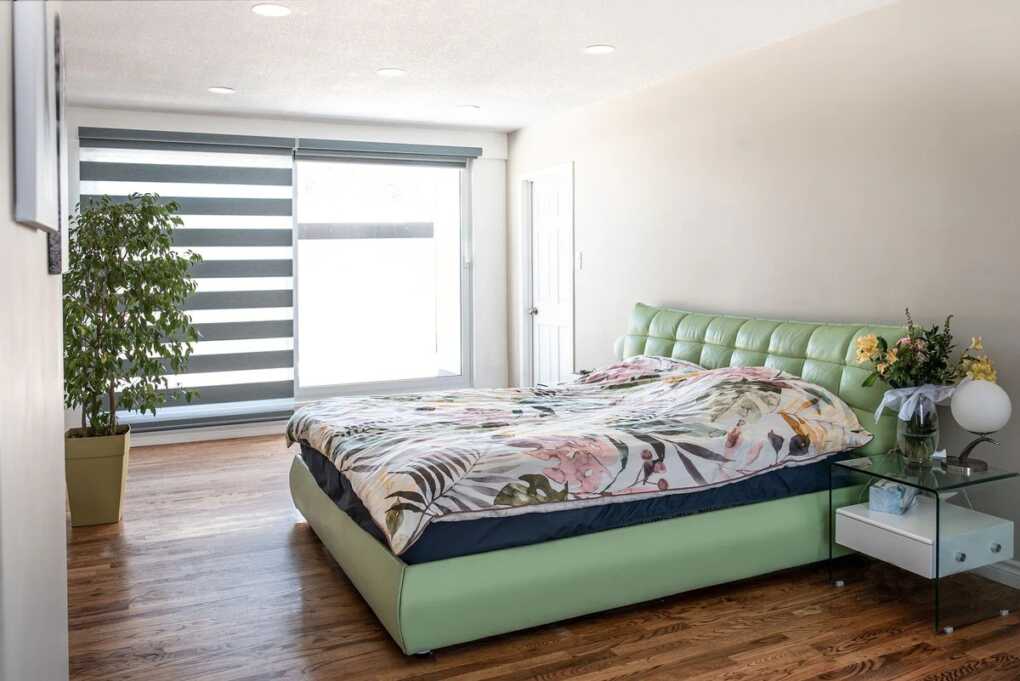
Maintenance and Moving Out
Maintenance in a rental should be straightforward. Faux wood and aluminum are easy to wipe down. A helpful habit: do a quick dusting whenever you are cleaning the room. Waiting months means more buildup, making the job feel much harder when it’s time for your move-out inspection.
If you are a tenant with pets, choose durability first. Wipeable materials reduce the stress of paw prints. Cordless systems are also better for cats who love to swat at dangling strings. When it is time to move, if you’ve used an inside mount, the small screw holes in the frame are easily filled with a bit of wood filler or putty, ensuring you get your security deposit back.
The Psychological Impact of Window Coverings
Comfort near glass is partly psychological. A bare window in a rental can feel “hard” and temporary, especially during a long winter. Coverings soften the room’s edges, reduce the feeling of vulnerability, and make a rented space feel like a home. It will not replace full insulation, but it changes the room’s perception immediately.
Tilt control is the signature advantage of blinds. If sunlight is hitting your TV, you do not have to close the entire room – you can direct the slats upward to reflect light off the ceiling. This provides a “middle setting” that curtains cannot replicate. Properly selected windows blinds provide this effortless transition between the urban world outside and your internal comfort.