
Garden beds are more than just functional spaces for plants — they define the personality of your outdoor environment, create structure within your landscape, and set the tone for everything from cozy backyard gatherings to elegant outdoor living. Whether you have a sprawling garden or a modest courtyard, thoughtful design paired with smart maintenance choices can turn any outdoor bed into a year-round focal point.
One of the most effective ways to achieve a stylish garden that is also low-maintenance comes down to how you frame the space — and that starts with a well-executed foundation material like mulch. From visual appeal to weed control and moisture retention, mulch plays a surprisingly central role in both the look and function of outdoor beds.
In this guide, we’ll explore the principles of designing garden beds that feel intentional and beautiful while keeping long-term upkeep minimal — perfect for homeowners who love both charm and practicality.
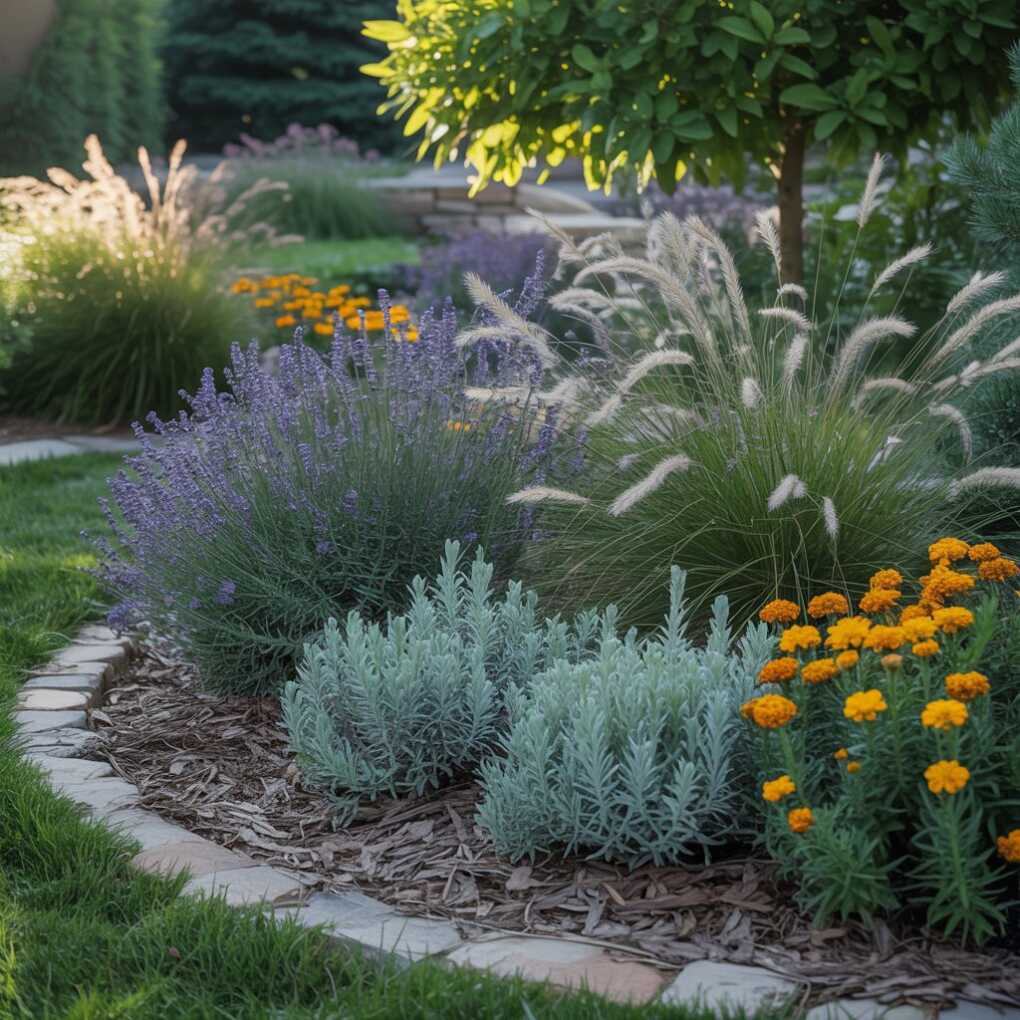
The Intersection of Style and Function
When planning garden beds, it’s tempting to dive straight into plant selections or decorative accents. While these elements matter, the foundation — the space in which plants live — sets the stage. A bed that maintains clean edges, balanced proportions, and well-managed ground cover gives you both visual harmony and fewer headaches down the road.
This is where landscape materials like Best Bark Mulch come into play. Mulch covers bare soil but also unifies beds visually while supporting plant health. When used strategically, it provides contrast against greenery, reinforces design lines, and reduces maintenance tasks like weeding and watering.
Establishing Clear Bed Boundaries
One of the first steps in garden bed design is defining the edges. Too often, beds feel messy or undefined, which detracts from both plantings and surrounding hardscape features like paths or patios.
Consider these design principles:
- Curved edges for a softer, organic feel — ideal for relaxed garden styles
- Sharp, geometric edges for modern or structured landscapes
- Layered borders where low plants meet lawn or pathways, creating depth
Once boundary decisions are made, consistently maintained mulch helps emphasize those lines. Instead of soil or weeds spilling into the grass or walkways, a clean layer of mulch visually separates spaces and keeps plants where they belong.
Choosing the Right Mulch for Aesthetic Impact
Mulch is not one-size-fits-all. From color to texture, your choice should reflect your garden’s character while serving functional goals:
Color Coordination
Mulch comes in natural and dyed tones — from rich espresso to natural cedar and charcoal black. Choosing the right mulch color can:
- Make foliage colors pop
- Create background contrast for blossoms
- Echo hardscape tones (stone, wood, or concrete)
Texture Balance
- Fine shredded mulch suits cottage gardens and soft plantings
- Chunkier bark pieces work well in structured or minimalist settings
These stylistic choices inform not only appearance but how the mulch ages through seasons. Whichever you choose, mulch becomes a backdrop against which all plants shine.
Less Weeding, More Enjoyment
Weeds are a universal garden challenge. They compete with desirable plants for light and water, and their constant emergence turns a once-beautiful bed into a chore zone.
Mulch dramatically reduces weed pressure by blocking sunlight from weed seeds. With a proper layer in place, fewer seeds germinate — meaning you spend less time pulling weeds and more time enjoying your space.
But effective weed suppression isn’t accidental — it’s about depth and consistency. You want enough cover to block light but not so much that soil oxygen or water movement is restricted. This delicate balance is where smart planning and quality materials matter.
Moisture Retention: The Invisible Benefit
Beautiful gardens aren’t just about what you see — it’s about what happens beneath the surface. Soil moisture is critical for plant health, especially in hot or dry months.
Mulch serves as a protective blanket:
- Reduces evaporation
- Keeps soil temperatures more consistent
- Saves water and reduces irrigation needs
Less fluctuation in moisture means plants are less stressed and more resilient — and you don’t have to run the sprinkler as frequently.
For many homeowners, scheduling regular deliveries makes maintaining this ideal coverage simple. Services like mulch delivery directly to your property allow you to refresh beds when needed without heavy lifting. You can explore convenient options for having mulch brought right to your garden by visiting the mulch delivery page on Best Bark Mulch.
Planning Your Project: How Much Mulch Do You Need?
One of the most common questions when designing or refreshing beds is, “How much mulch should I order?” The answer depends on the area size and your desired depth, but getting it right from the start makes installation cleaner and prevents over- or under-ordering.
For a quick estimate, measure the length and width of your beds, decide on a depth (typically 2–3 inches), and calculate total cubic yards needed. Many homeowners use online calculators to make this easier and avoid waste — especially when planning larger areas or multi-bed installations.
Accurate planning matters not just for cost, but for maintaining consistent design lines across beds so one area doesn’t look deeper or thinner than another.
Plant Choices and Seasonal Layers
Mulch pairs beautifully with a variety of planting styles. When choosing plants, consider how they’ll interact with your ground cover throughout the seasons:
- Early bloomers bring spring energy and ground-level interest
- Layered plant heights create dimension
- Perennials mix with mulch to form rhythm and flow across the garden
Seasonal accents like decorative grasses or ornamental shrubs become more impactful against a well-maintained mulch base. In fall, beds with rich mulch tones can echo seasonal colors and make outdoor décor feel cohesive.
Integrating Garden Accents and Hardscape Elements
A garden is more than plants — it’s a series of curated spaces. Decorative elements like stepping stones, planters, lighting, and benches interact with beds to enhance both function and style.
When integrating these features:
- Keep pathways clean and aligned with beds
- Use mulch to create soft transitions between hard surfaces and plantings
- Consider lighting that highlights plant textures and pathway lines
Mulch becomes a unifying fabric in your design, connecting elements without overwhelming them.
Maintenance Tips for Year-Round Style
Beautiful garden beds require attention, but mulch makes maintenance easier. Here are a few designer-approved tips:
Refresh Seasonally
Mulch settles and breaks down over time. Add a fresh layer each spring or fall to keep beds looking intentional.
Keep Edges Tidy
Re-establish clean lines between grass and beds to prevent mulch migration and maintain visual focus.
Watch for Compaction
Composted mulch can flatten. Rake lightly to revive texture and avoid soil compaction around roots.
Avoid Over-Mulching
Too deep a layer can suffocate roots. Stick to recommended depths for your plant types.
These small actions protect your design investment and keep beds looking crisp and intentional.
A Garden That Works — Without Constant Work
Designing garden beds doesn’t have to be overwhelming. With intentional planning and smart material choices, you can create outdoor spaces that feel both beautiful and effortless.
Mulch is a foundational piece of that success — it anchors visual design, supports plant health, reduces maintenance, and brings cohesion to every bed. When paired with good planning and regular refreshes, your landscape can stay striking across seasons without overwhelming upkeep.
For homeowners who want quality, design impact, and practical ease, the right foundation and delivery options make all the difference. Consider exploring mulch delivery options that bring beautiful materials straight to your garden beds, so you can focus on花 the parts of landscaping you love most.