
Rain. It’s beautiful when it’s falling gentle like. But when it comes to your roof? Well, that’s a different story. Water finds its way. Always does. And if your drainage system isn’t doing its job—you’re in trouble. Big trouble.
Most homeowners never think about their gutters until something’s wrong. By then? It’s often too late. Foundation cracks. Rotted wood. Mold everywhere. Costly repairs pile up like leaves in—well—you know where. Gutters work quietly. In the background. Out of sight. Out of mind. Until they fail spectacularly.
Let me tell you about Sarah. She lived in her house for ten years. Loved the old Victorian charm. Never once looked up at her gutters. Not really. Then came the rainy season. Water started seeping into her basement. Not a little. A lot. Like, buckets-full. Turns out her gutters were clogged solid. Had been for who knows how long. The foundation damage cost her thousands. Thousands. All because she didn’t spot the early warning signs.
This isn’t just about gutters folks. It’s about your whole roof drainage system. And guess what? It’s probably crying for help right now. You’re just not listening.
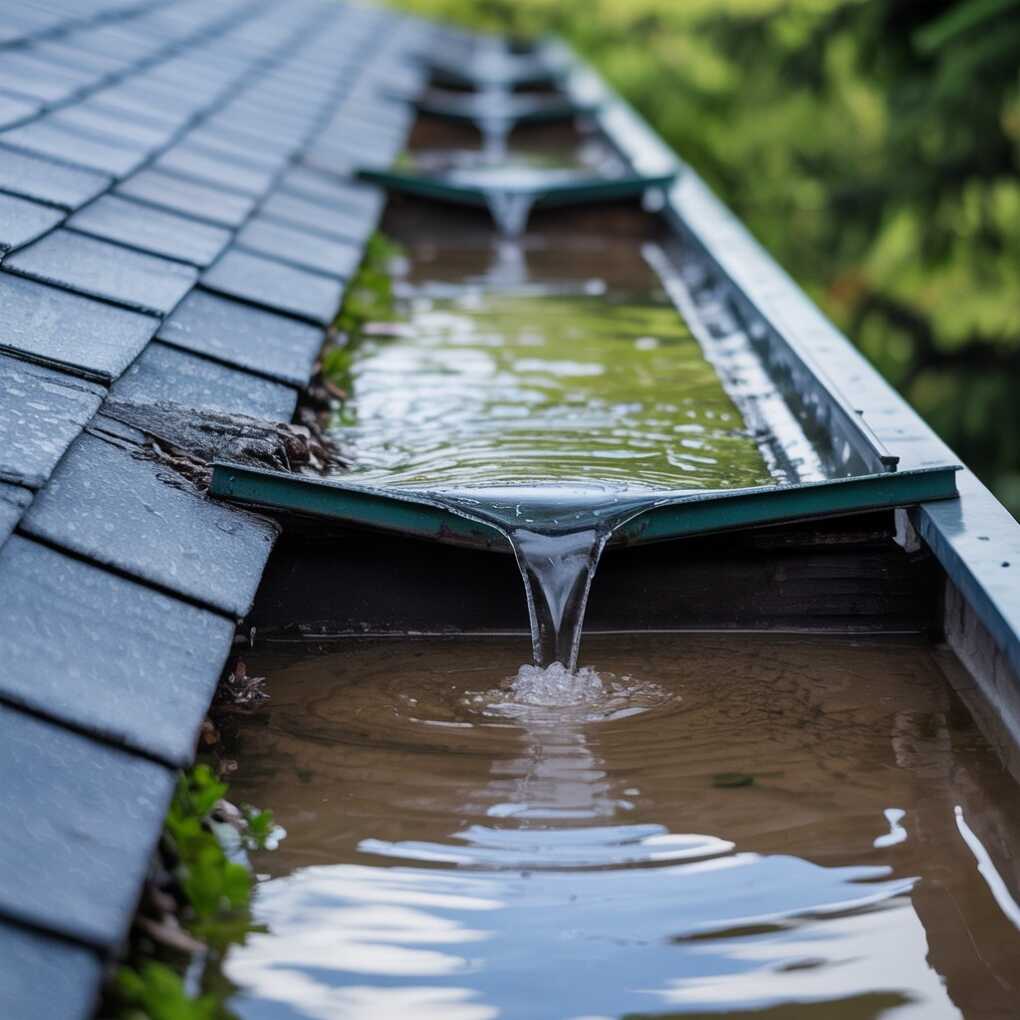
The Silent Guardian That Needs Your Attention
Your roof drainage system does more than just catch rainwater. It’s your home’s first line of defense against water damage. Properly functioning gutters and downspouts channel water away from your foundation, siding, and landscaping. They prevent erosion. They keep moisture out of your basement. They protect your investment.
When everything works? You’ll never know it’s there. But when it fails? Oh boy. You’ll know. Fast.
Gutters aren’t fancy. They don’t grab attention like a fresh paint job or new windows. But let me tell ya—they’re working overtime during every storm. Directing hundreds of gallons of water away from your home. Without them? Water would just pour off your roof like a waterfall. Onto your foundation. Into your basement. Under your house.
It’s not complicated physics. Water flows downhill. Always. Your drainage system guides that flow safely away. Simple concept. Yet so many homes have systems that aren’t doing their job. And homeowners? They’re none the wiser—until it’s too late.
Proper drainage isn’t optional. It’s essential. And it all starts with understanding what a healthy system looks like—or rather, what a failing one looks like.
Six Red Flags That Scream “Fix Me!”
Look up next time it rains. Not standing in the downpour mind you. From inside. Through a window. What do you see? If your gutters are overflowing like Niagara Falls? That’s problem number one. Water should flow through downspouts. Not pour over the front. Not sheet down your siding.
Water spilling over gutters during a moderate rain is never okay. Never. Period.
Fascia Staining and Peeling Paint
That wood trim along your roofline? It’s called fascia. When your drainage system fails, water backs up. Splashes. Pools. And stains that fascia board. Dark streaks appear. Like someone drew lines with a charcoal pencil. Sometimes the stains are greenish. Algae loves moisture. Always does.
Then the paint starts peeling. Not just a little corner. Big chunks. Flaking off like burnt toast. Because it’s soaking wet. All the time. Behind that peeling paint? Rotted wood. Guaranteed. I’ve seen it a hundred times.
Look for discoloration along the roof edge. Check for paint that’s bubbling or lifting. These aren’t cosmetic issues. They’re distress signals. Your fascia is drowning.
Rusted Fasteners and Mildew Streaks
Screws holding your gutters? They should be clean. Maybe a little weathered. But if they’re orange? Reddish-brown? Rust city folks. Rust means water’s been sitting there. Not flowing. Stagnant. Waiting to cause problems.
Mildew streaks trail down your siding like someone spilled coffee. Grayish. Blackish. Slimy looking. Shows up after every rain. Especially on north-facing walls where sun don’t dry things out quick. That’s not dirt. It’s mold. Growing because water’s sitting where it shouldn’t.
Your gutters are supposed to move water away. Not hold it hostage.
Sagging Gutters and Pooling Water
Gutters shouldn’t look like hammocks. But when they sag? That’s exactly what they resemble. Little dips where water collects. Instead of flowing. Stagnant puddles form. Leaves gather. Mosquitoes breed. It’s a party up there and you weren’t invited.
Pool of water sitting in your gutters an hour after rain stopped? That’s not right. Water should clear in minutes. Standing water means improper slope. Or clogs. Or both.
Your gutters should be straight. Tight against your house. No gaps. No drooping. If sections are pulling away from the fascia board? That’s trouble. Big trouble ahead.
What’s Really Causing Your Drainage Troubles
So what makes gutters fail? More often than not—it isn’t age. It’s installation. Slope. Maintenance. Things you can fix. Should fix. Before the real damage begins.
Improper Pitch: The Silent Killer
Gutters need a slight slope. A little downhill. Toward the downspout. Without it? Water just sits there. Stagnant. Heavy. Waiting to do damage.
How much slope? About $1/4$ inch per $10$ feet of gutter. That’s all. Not much. But crucial. Too flat? Water doesn’t flow. Too steep? Splashes out. Looks weird. Neither works.
Slope problems happen for many reasons. Settling house. Rotting fascia boards. Improper installation. Over time gravity takes over. Gutters sag. Low spots develop. Water pools. And the problems start.
Loose Hangers: The Weak Links
Every few feet, gutters need support. Those little hooks or straps? They hold everything together. When they loosen? Gutters sag. Dips form. Water collects.
Hangers fail for many reasons. Old age. Poor installation. Too few to begin with. Heavy wet leaves piling up. Snow load. All weaken those connections. Until something gives.
Check for gaps between gutter and fascia board. Look for hangers that seem bent or misaligned. Notice any sections hanging lower than others? That’s your weak links talking.
Debris Buildup: The Clog Factor
Leaves. Twigs. Acorns. Bird nests. Roof granules. All find their way into gutters. Block flow. Cause overflow. It’s inevitable. But it don’t have to be damaging.
A little debris is normal. But gutters packed solid? That’s trouble. Water has nowhere to go but over the edge. Onto your foundation. Behind your siding. Exactly where it shouldn’t be.
Most homeowners wait until gutters are overflowing to clean them. Bad idea. Clean them when they’re half full. Prevent problems before they start.
| Warning Sign | Likely Cause | Urgency Level |
|---|---|---|
| Water overflowing gutters | Clogged downspouts or gutters | ★★★ |
| Fascia board staining | Water backing up behind gutters | ★★☆ |
| Sagging gutter sections | Loose or missing hangers | ★★☆ |
| Standing water in gutters | Improper pitch or clogs | ★★★ |
| Peeling paint on fascia | Chronic moisture exposure | ★☆☆ |
How to Safely Check Your Drainage System From The Ground
You don’t need a ladder to spot drainage problems. Most warning signs show up plain as day from ground level. Smart homeowners know what to look for.
Grab a pair of binoculars. Or use your phone’s zoom feature. Walk completely around your house after it rains. What do you see?
Spotting Trouble Without Climbing
First—watch the water flow during rain. From indoors is safest. See where water exits downspouts. Should be flowing away from your foundation. Minimum $4$-$6$ feet distance. Any closer? Problem.
Check for splash marks on siding. Look for soil erosion near downspout outlets. Puddles that don’t disappear quickly indicate poor drainage.
Second—look for staining patterns. Dark streaks running down walls? That’s water finding alternate paths. Not good.
Notice any sections where water spills over the front of gutters? During even moderate rain? That’s clogging or pitch issues. Right there.
Third—check gutter alignment. Should form a straight line along roof edge. No dips. No gaps. No sections hanging lower than others.
Look for rust stains below fasteners. See gaps between gutter and fascia board? Trouble signs.
Fourth—inspect downspouts. Are they securely attached? Clear at the bottom? Pointing away from foundation?
Cracks in downspouts? Loose connections? Missing splash blocks? All red flags.
No tools needed. Just eyes. And knowing what to look for.
🔍 Ground Inspection Checklist (click to expand)
- Water overflowing gutters during rain
- Dark stains on siding below gutters
- Peeling paint on fascia boards
- Rust spots around gutter hangers
- Sagging sections of gutter
- Plants growing from gutter debris
- Water pooling near foundation
- Soil erosion around downspout outlets
- Mold or mildew streaks on exterior walls
- Pests gathering near gutters
Why Fixing Drainage Issues Matters More Than You Think
It’s not just about gutters. Never was. When your drainage system fails, everything else suffers too. Foundation cracks. Basement leaks. Rotted wood. Mold inside your walls. Structural damage you can’t see.
Water’s patient. It works slow. Silent. Until suddenly—it’s not silent anymore.
I had a client last year. Ignored his gutters for years. Just years. Thought they were fine. Then one winter—big rain. Water started coming up through his basement floor. Not leaking in. Coming up. Because the soil was saturated. His foundation had cracks you could put your finger in.
Repairs cost him $15,000. For gutters that would’ve cost $200 to fix years earlier.
Preventative maintenance pays. Always does. Catch problems early. Before they become expensive nightmares.
Your home’s drainage system connects everything. Roof. Siding. Foundation. Landscaping. One weak link breaks the whole chain. Fix the drainage—and you protect everything else.
Pro Tip: Don’t Wait For Disaster
Here’s the thing most homeowners miss: small problems become big ones. Fast. That little drip today? Tomorrow it’s a flood. That slight sag? Next month it’s a broken section.
Check your drainage system at least twice a year. Spring and fall. After big storms too.
Clean gutters when they’re half-full—not overflowing. Prevent clogs before they cause damage.
Fix sagging sections right away. Don’t wait. That small dip becomes a big problem fast.
But let’s be real—sometimes you need help. Professional eyes spot things you miss. Olympia WA gutter cleaning company knows drainage systems inside and out. They’ll find problems before they become disasters. Worth every penny.
“Most foundation repairs could’ve been prevented with proper gutter maintenance.” – Home inspector with 25 years experience
The Domino Effect of Poor Drainage
Neglected gutters cause a chain reaction. One problem leads to another. And another. Before you know it—everything’s damaged.
First—water overflows. Hits your siding. Your windows. Your doors.
Then—moisture seeps behind surfaces. Rots wood. Encourages mold growth.
Next—water pools near foundation. Weakens soil. Creates hydrostatic pressure.
Soon—foundation cracks develop. Basements leak. Structural integrity compromised.
All because water wasn’t properly directed away. All preventable.
It’s not complicated. Really. But it takes attention. Regular checks. Minor fixes before they become major repairs.
Your drainage system is only as strong as its weakest link. Find those weak links. Fix them. Protect your home.
When To Call The Professionals
Some fixes you can do yourself. Tightening a loose hanger. Clearing minor debris. Adjusting downspout extensions.
But complex issues need experts. Improper pitch throughout entire system? Sagging due to rotted fascia boards? Multiple sections pulling away?
That’s when you call for help. Professionals see the whole picture. Not just the symptom. But the cause.
They’ll check your entire drainage system. Roof drainage patterns. Gutter slope. Downspout placement. Foundation grading. All the pieces that work together.
Don’t wait until you see water in your basement. That’s too late. Much too late.
Early intervention saves money. And headaches. Big time.
Take Action Before The Next Rain
Your roof drainage system is working right now. Either protecting your home. Or damaging it. No in-between.
Those warning signs? They’re not suggestions. They’re urgent messages. Listen to them.
Check your gutters this weekend. From the ground. After a rain if possible. What do you see?
Overflowing water? Sagging sections? Stains on your walls? Time to act.
Clean debris. Tighten loose parts. Adjust slope if needed.
Or call in the pros. Better safe than sorry. Always.
Your home deserves proper protection. Don’t let silent drainage failures destroy your biggest investment.
Fix the little things now. Before they become big, expensive problems later. Your future self will thank you. With savings. And peace of mind.
Just remember—water always wins. Unless your drainage system is working properly. Make sure it is.
🛡️ Essential Gutter Maintenance Timeline (click to expand)
| Frequency | Maintenance Task | Why It Matters |
|---|---|---|
| Twice yearly | Full gutter and downspout cleaning | Prevents clogs before they cause damage |
| After major storms | Visual inspection from ground level | Catches immediate damage or blockages |
| Annually | Check all hangers and fasteners | Prevents sagging and system failure |
| Every 2 years | Professional system assessment | Identifies hidden issues before they escalate |
You know what they say—ounce of prevention. Well it’s especially true for roof drainage. Your gutters ain’t glamorous. Never will be. But they’re working hard up there. Make sure they can do their job properly. Your home depends on it. Literally.