
When it comes to white wine, Chardonnay and Sauvignon Blanc are two of the most widely enjoyed and accessible choices. While both are popular, they offer completely different experiences in terms of flavor, texture, and overall style. Understanding these differences can help you make smarter decisions—especially when exploring affordable Chardonnay and Sauvignon Blanc options.
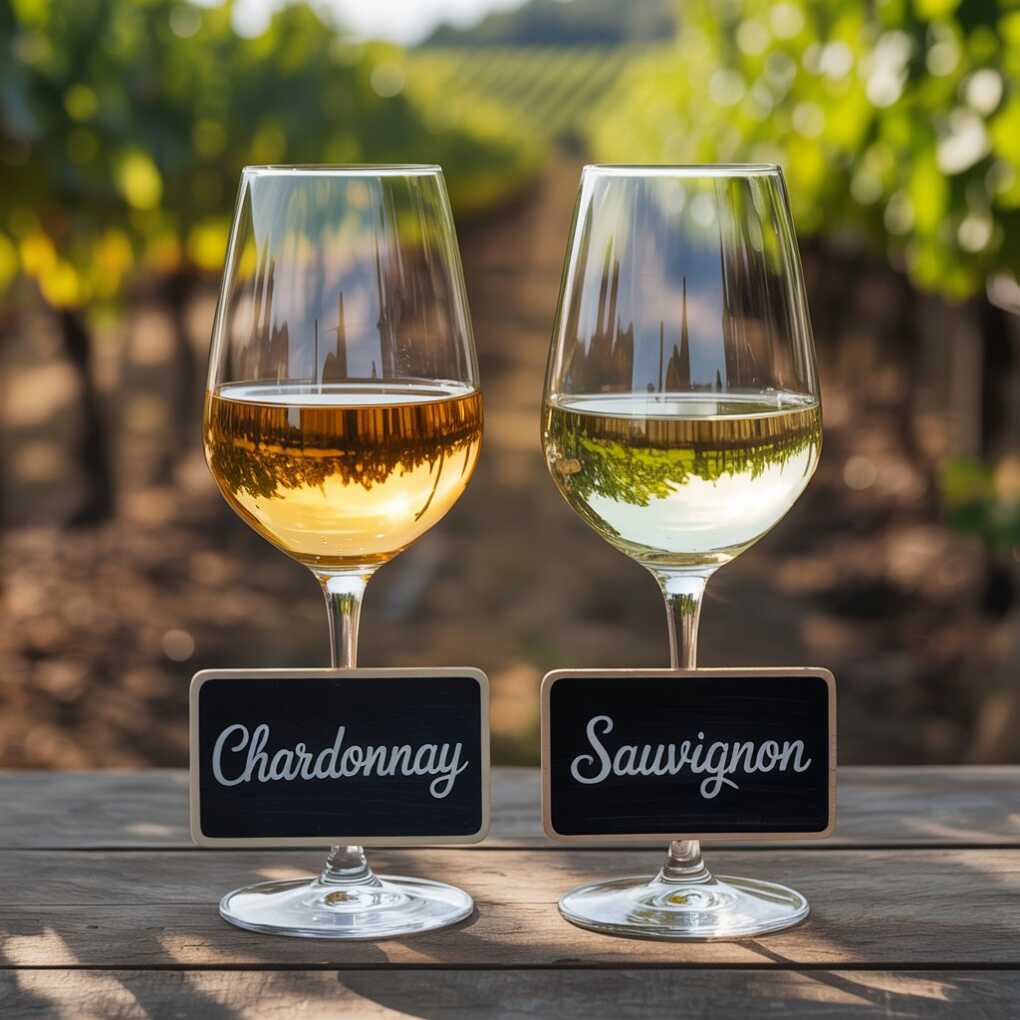
Two Grapes, Two Personalities
Although both fall under the white wine category, Chardonnay and Sauvignon Blanc sit on opposite ends of the flavor spectrum.
Chardonnay
- Typically richer and fuller-bodied
- Can range from crisp to creamy
- Often influenced by oak aging
Sauvignon Blanc
- Usually light and refreshing
- Known for high acidity
- Rarely aged in oak, keeping it bright and clean
Choosing between them often comes down to whether you prefer something smooth and round or sharp and refreshing.
Flavor Profiles Compared
The most noticeable difference between these two wines is how they taste.
Chardonnay flavors:
- Apple, pear, and citrus
- Butter, vanilla, and toasted notes (if oaked)
- Sometimes nutty or creamy undertones
Sauvignon Blanc flavors:
- Green apple, lime, and grapefruit
- Fresh herbs or grassy notes
- Occasionally tropical hints like passionfruit
Chardonnay leans toward depth and softness, while Sauvignon Blanc focuses on freshness and vibrancy.
Texture and Mouthfeel
Beyond flavor, the way a wine feels in your mouth plays a big role in preference.
- Chardonnay: smooth, sometimes creamy, with a fuller body
- Sauvignon Blanc: crisp, sharp, and light-bodied
If you enjoy a wine that feels rich and rounded, Chardonnay is often the better choice. If you prefer something clean and refreshing, Sauvignon Blanc stands out.
How Climate Affects Each Style
Both grapes are grown worldwide, and climate has a major influence on their final profile.
Chardonnay:
- Cooler climates → lighter, more acidic styles
- Warmer climates → fuller, fruitier wines
Sauvignon Blanc:
- Cooler regions → more citrus and herbal notes
- Warmer regions → more tropical fruit character
This means the same grape can taste quite different depending on where it’s produced.
Which One Is More Food-Friendly?
Both wines pair well with food, but in different ways.
Chardonnay pairs well with:
- Creamy pasta
- Roasted chicken
- Rich seafood like lobster
Sauvignon Blanc pairs well with:
- Salads and green vegetables
- Light seafood dishes
- Tangy or citrus-based meals
The key difference is that Chardonnay complements richer dishes, while Sauvignon Blanc enhances lighter, fresher foods.
Finding Value in Both Styles
Both Chardonnay and Sauvignon Blanc are widely produced, which makes them easier to find at reasonable prices.
- Sauvignon Blanc often offers consistent quality at lower price points
- Chardonnay can vary more, but still provides great value in mid-range options
Exploring different regions and producers can help you discover wines that deliver strong quality without high cost.
When to Choose Each
Sometimes the decision is less about preference and more about the situation.
- Choose Sauvignon Blanc for warm days, casual settings, or refreshing drinks
- Choose Chardonnay for dinners, cooler weather, or when you want something richer
Having both styles available gives you flexibility for different occasions.
Final Thoughts
Chardonnay and Sauvignon Blanc may share the same category, but they offer completely different experiences. One emphasizes richness and texture, while the other highlights freshness and clarity.
By understanding their differences, you can choose more confidently and find options that match your taste, your meals, and your budget—making every glass more enjoyable.