
Summer brings longer days, warmer evenings, and more opportunities for families to spend time outdoors. What begins as a simple purchase—a soccer goal for weekend practice, a basketball hoop for afternoon games, or a trampoline for entertainment—often turns into a gradual transformation of the family yard. Over time, outdoor spaces that were once open lawns become active recreation zones filled with sports gear, training stations, and play equipment. Parents may initially welcome these additions because they encourage healthy habits, physical activity, and quality family time.
However, as the seasons continue, many homeowners notice that sports equipment begins to define the layout and appearance of the yard. Grass wears down in high-traffic areas, driveways develop stains and marks, and outdoor living spaces become less flexible for gatherings or relaxation. Equipment intended for temporary use frequently becomes a permanent fixture.
This shift is not necessarily negative. Family sports areas can create lasting memories and encourage active lifestyles. Yet maintaining balance between recreation, appearance, and usability becomes essential. Understanding how summer sports equipment slowly takes over the family yard can help families make smarter decisions about organization, maintenance, and preserving outdoor functionality.
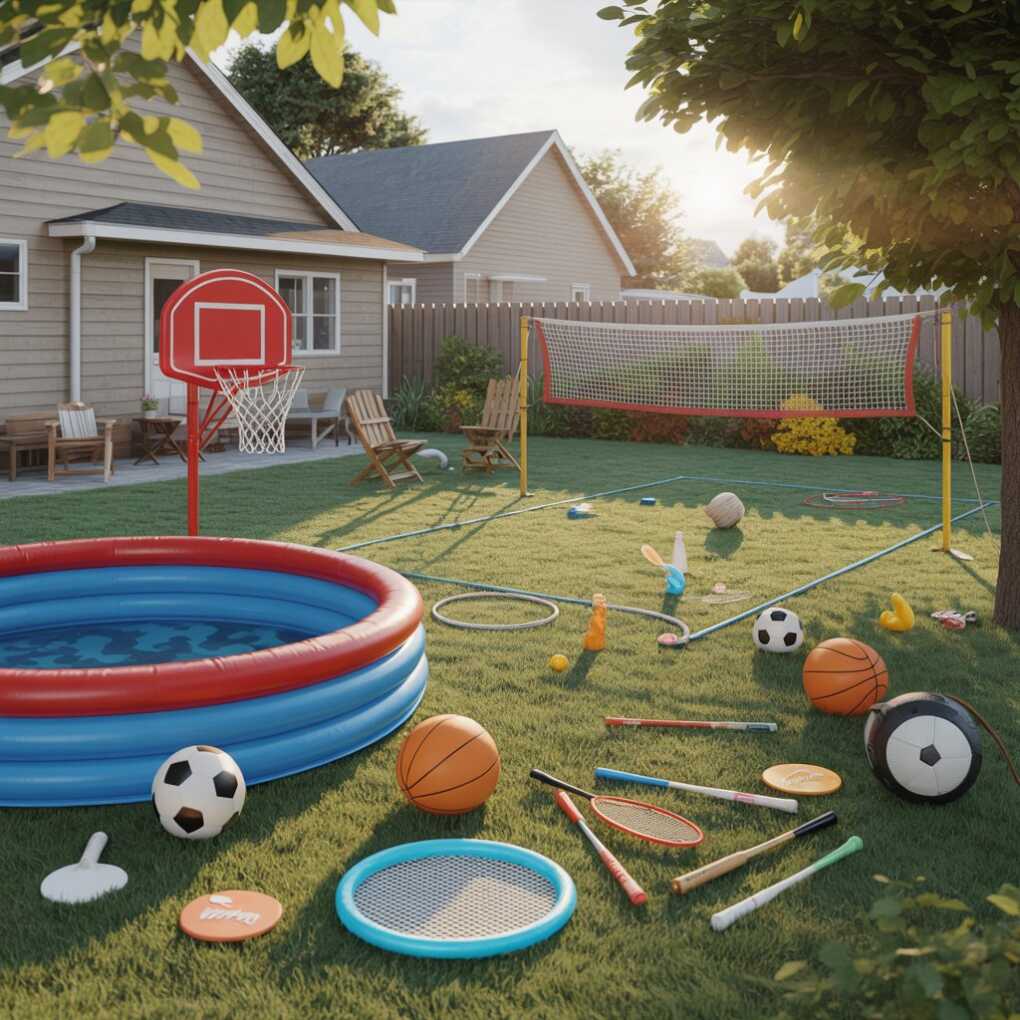
The First Arrivals: Small Equipment That Starts the Transformation
Most family yards do not become sports zones overnight. The process usually begins with small purchases intended to support hobbies or keep children entertained during school breaks. A portable soccer net appears near the fence. A basketball hoop is installed at the end of the driveway. Practice cones, baseball gloves, and agility ladders gradually collect in corners of the lawn.
At first, these additions seem harmless because they require little space and provide immediate value. Children play more often outdoors, parents feel satisfied encouraging healthy routines, and weekends become more active. Yet even compact sports equipment influences how outdoor areas are used. Certain sections of the yard receive more foot traffic while other spaces become dedicated storage zones.
Over time, lawns begin showing visible pathways and worn patches. Equipment often remains outside between uses because moving and storing it repeatedly becomes inconvenient. Before long, the yard starts adapting to sports activities rather than sports activities adapting to the yard.
When Equipment Becomes Part of the Landscape
Once sports become regular household activities, outdoor equipment evolves from temporary entertainment into permanent infrastructure. Families often invest in larger additions including batting cages, trampolines, portable pools, practice nets, and upgraded basketball systems. During this stage, maintaining the appearance of surrounding surfaces becomes increasingly important.
Driveways and concrete play areas frequently collect dirt, shoe marks, ball scuffs, and buildup from repeated use. Families seeking to restore outdoor spaces sometimes rely on professional maintenance solutions. For example, scheduling local pressure washing services in Chesapeake can help refresh heavily used concrete surfaces and outdoor recreation areas while preserving overall curb appeal.
As sports zones become established, they begin influencing landscaping decisions as well. Trees may be trimmed for clearance, patios reorganized for storage, and lawn maintenance adjusted around equipment locations. At this stage, the yard no longer simply contains sports gear—it starts functioning as a recreational environment.
The Hidden Effects on Grass, Landscaping, and Property Appearance
Summer sports equipment creates more than visual clutter. Constant activity can gradually alter the health and structure of outdoor spaces. Repeated running, jumping, and equipment placement compact soil and limit healthy grass growth. Areas around soccer goals or trampolines often experience thinning vegetation and uneven surfaces.
Landscaping beds positioned near play areas may become damaged as balls roll into flower zones or foot traffic cuts across decorative sections. Families frequently discover that maintaining both sports functionality and attractive landscaping becomes increasingly difficult.
Property appearance also changes over time. Equipment left outdoors creates visual congestion that affects curb appeal and reduces the open feeling of the yard. What once appeared spacious can start feeling crowded or overly specialized.
This transformation does not mean families must abandon outdoor recreation. Instead, thoughtful placement, seasonal rotation, and designated storage areas can reduce wear while preserving the appearance and flexibility of the yard throughout the summer months.
How Sports Zones Change Everyday Outdoor Living
As equipment expands, family routines naturally change alongside it. Areas once used for outdoor meals, gardening, relaxation, or entertaining often become secondary to recreation. Furniture gets moved aside to create room for games. Walkways become temporary equipment storage areas.
The backyard gradually shifts from a multi-purpose environment into a dedicated sports complex. While this can strengthen family engagement and encourage exercise, it sometimes reduces opportunities for quieter outdoor experiences.
Parents may also discover that maintenance requirements increase. More sweeping, mowing adjustments, concrete cleaning, and equipment organization become necessary to keep spaces usable. Seasonal weather adds another layer of responsibility as rain and sun exposure affect surfaces and equipment longevity.
Successful outdoor planning often involves creating clear boundaries between recreation zones and relaxation spaces so the entire yard continues serving multiple purposes rather than becoming dominated by one activity.
Finding Balance Between Recreation and Outdoor Functionality
Sports equipment does not have to overwhelm the family yard if thoughtful planning becomes part of the process. Designating activity areas allows families to enjoy recreation while protecting landscaping and maintaining visual balance.
Portable storage solutions can prevent equipment accumulation. Rotating seasonal gear keeps unused items from permanently occupying space. Establishing maintenance schedules helps preserve surfaces affected by repeated activity.
Families may also consider investing in more durable lawn alternatives in high-use areas or installing surfaces designed to handle sports activity. Simple measures such as protective mats, equipment racks, and organized storage zones create noticeable improvements.
The goal is not eliminating outdoor fun but ensuring recreational growth remains intentional. Summer memories should enhance the yard rather than permanently limiting its flexibility and appearance. When managed carefully, outdoor sports can coexist with relaxation, aesthetics, and long-term property value.
Conclusion
Summer sports equipment often enters the family yard one piece at a time, creating excitement, healthier routines, and opportunities for memorable experiences. Yet over time, soccer goals, trampolines, basketball hoops, and practice stations can reshape how outdoor spaces function and appear.
The gradual transformation affects landscaping, surface conditions, organization, and daily family routines. Without planning, recreational spaces may eventually dominate areas originally designed for flexibility and relaxation.
Fortunately, families do not need to choose between activity and aesthetics. Strategic placement, seasonal maintenance, storage planning, and occasional cleaning solutions can help preserve outdoor appeal while supporting an active lifestyle.
A well-managed yard creates room for both movement and comfort—allowing sports equipment to contribute to family life without completely taking over the space.
FAQs
1. Why does sports equipment seem to take over the yard so quickly?
Sports equipment usually accumulates gradually. Small additions often remain outdoors permanently, leading to expanding recreation zones over time.
2. Can sports equipment damage grass and landscaping?
Yes. Frequent use can compact soil, wear down grass, and create uneven areas, especially near goals, trampolines, and practice spaces.
3. How can families keep outdoor spaces organized?
Using storage sheds, racks, designated sports zones, and seasonal rotation helps reduce clutter and maintain usability.
4. Does driveway maintenance matter for sports areas?
Absolutely. Regular cleaning helps remove dirt, stains, and marks caused by repeated sports activity and foot traffic.
5. What is the best way to balance recreation and appearance?
Creating dedicated activity areas while protecting relaxation and landscaping zones allows families to enjoy both outdoor play and visual appeal.