
A roof in Malaysia never gets a rest. Surface temperatures easily rise above 40°C in direct sunlight, and then – almost on cue – heavy rains test every weak spot. That constant cycle of expansion, contraction, soaking, and drying… It’s very tough.
This is the primary reason why torch on waterproofing Selangor solutions are so popular for flat concrete roofs. Not because they sound advanced, but the protection that it offers.
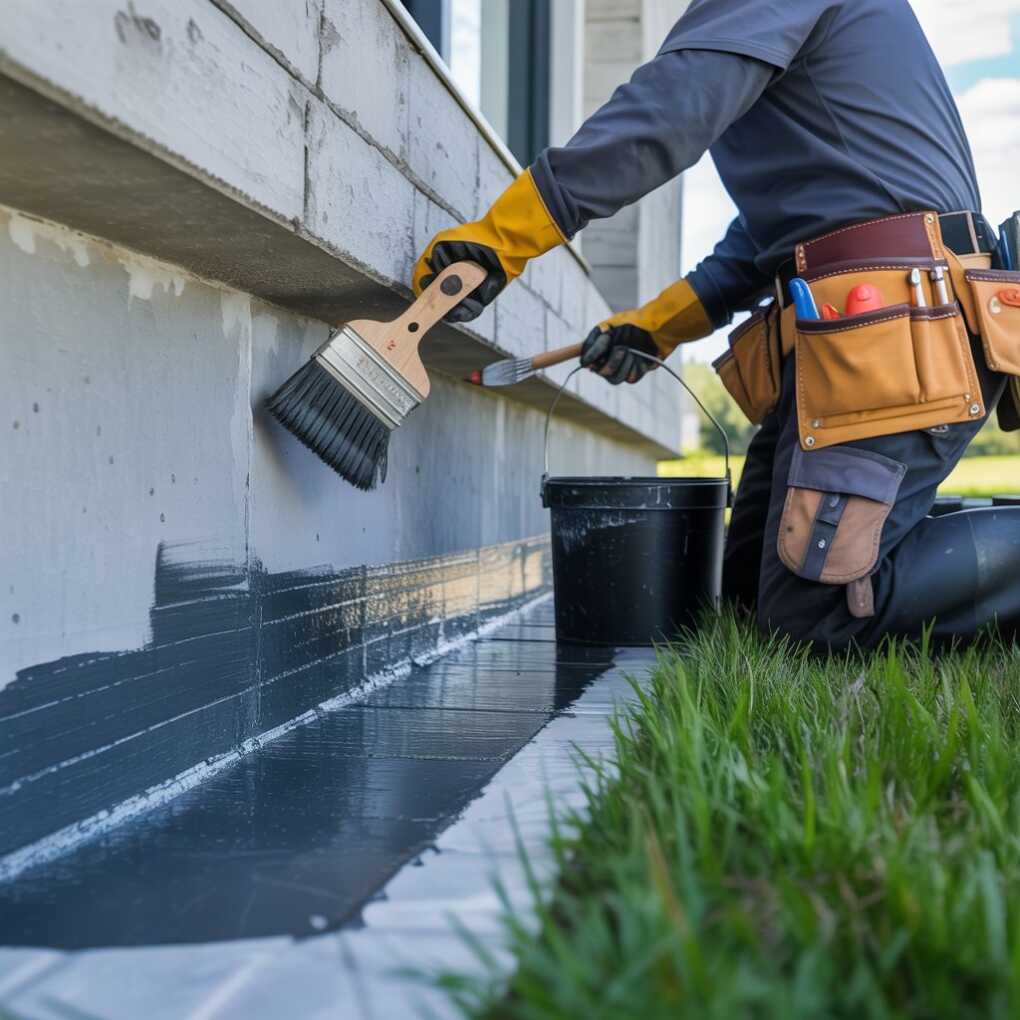
What Is Really Going on Under That Membrane
Torch-on waterproofing is not just another coating. It is a pre-formed bitumen membrane, generally 3-4 mm thick, installed by heating with a gas torch.
Heat softens the underside of the membrane, allowing it to bond directly to the concrete substrate. When installed, it provides:
- fully adhered waterproof layer;
- seamless surface without any weak points or joints;
- obstruction against water percolation.
Water simply has nowhere else to go. That’s the point.
Built for Heat, Not Afraid of Rain
What damages other systems is exactly what torch-on membranes are meant to sustain. They are modified with polymers like APP or SBS, and that changes everything.
Heat Resistance
APP membranes don’t degrade or turn brittle when exposed to sustained UV and high temperature (often well over 40°C on the roof). Their shape doesn’t change either, and they don’t become soft and sag. This ensures long-term performance.
Water Resistance
Torch-applied surface provides a continuous, uninterrupted membrane resisting water ingress even in periods of heavy rainfall or short periods of ponding. Overlaps are heat-welded, eliminating weak points of entry.
Flexibility
The membrane expands and contracts with the concrete without cracking, adapting to daily thermal movement. Consequently, the growth of pressure is minimized at joints and corners (80 percent of failure points!).
That flexibility matters more than it seems. In tropical climates, the rooftops are always slightly shifting, and this is what really breaks the weaker systems.
The Numbers Behind the Performance
Let’s consider real figures:
- Service life: generally 15-20+ years with correct application.
- Heat tolerance: can withstand surface temperatures greater than 40°C.
- Adhesion: fully bonded system (not loosely applied).
- Thickness of each layer: about 3-4mm.
And here’s a practical contrast – many liquid waterproofing systems last only 5–10 years, and then begin to break down under the influence of UV.
Another aspect is that torch-on systems can be installed in double or even triple layers for greater strength. That’s why they are very often used in commercial and industrial environments.
What About Alternatives?
Yes, there are alternatives, but they all have their drawbacks. For example, acrylic/ elastomeric coatings are cheap, yet prone to rapid failure from intense sunlight. Polyurethane systems – flexible/ seamless, but higher cost and substrate-sensitive. Cementitious coatings – suitable for internal wet areas, not ideal for exposed roofs.
Installation Is Where Things Go Right or Wrong
The material itself is reliable, however, its performance largely depends on the method of installation:
- improper heating – poor adhesion;
- moisture under the substrate – bubbles;
- hastily applied at high temperatures – uneven bonding.
Therefore, make sure your torch on waterproofing contractor in Malaysia is experienced and qualified. Professionals like Etanche Solutions follow a controlled process. First, proper surface preparation and repair. Then, priming for better adhesion, the controlled torch technique. And finally, careful sealing of joints.
That’s really the key. The same material can either fail early or last for two decades, depending on the execution.
Conclusion
Torch-on waterproofing is not the answer to all problems. But when it comes to exposed concrete roofs in Malaysia, then it probably is the most proven system. Withstands extreme heat, heavy rain, structural movement, and long-term wear and tear. Get it right once, and there’s little reason to worry about it for the next 20 years!