
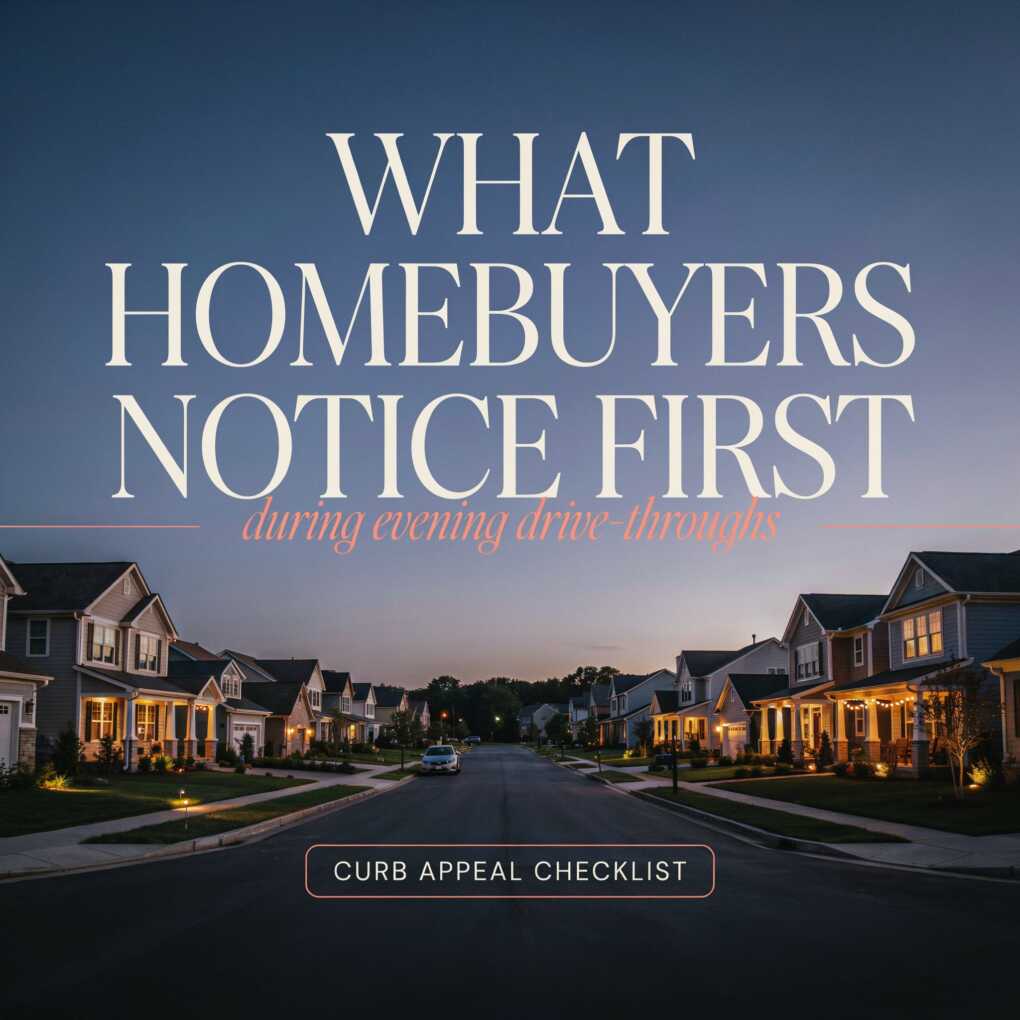
Evening drive-throughs have become one of the most revealing stages in the homebuying journey. After work hours, when natural daylight fades, and neighborhoods transition into their nighttime character, buyers begin to notice details that are often overlooked during daytime showings. This is the moment when a street either feels welcoming or underwhelming, safe or uncertain, vibrant or neglected. Homebuyers are not just evaluating individual properties; they are assessing the entire environment they may soon become part of. The glow of porch lights, the condition of sidewalks, the level of street activity, and even the subtle sounds of a community all contribute to a first impression that can heavily influence purchasing decisions. Unlike staged interiors, evening curb appeal is difficult to control or fake, making it a more authentic reflection of daily life. Buyers instinctively interpret these visual and emotional cues to determine whether a neighborhood aligns with their expectations of comfort, safety, and long-term value. This makes the evening drive-through a powerful, often decisive step in the homebuying process that shapes emotional connection before a formal visit even begins.
Exterior Lighting and First Impressions
One of the first things homebuyers notice during an evening drive-through is exterior lighting. Streetlights, porch lights, driveway illumination, and decorative fixtures collectively shape the visual warmth of a neighborhood. Well-lit homes signal care, safety, and attention to detail, while dim or inconsistent lighting can create hesitation. Buyers often associate good lighting with lower crime risk and stronger community pride. Lighting also highlights architectural features, making homes appear more inviting even from a moving vehicle. Seasonal enhancements can elevate this effect further, especially when neighborhoods embrace festive displays. In fact, professional services such as Holiday Light Hanging and Installation Naperville often help homeowners enhance curb appeal during holidays, creating a cohesive and attractive street appearance that leaves a lasting impression on potential buyers. When lighting feels intentional and balanced, it contributes significantly to the emotional appeal of the entire neighborhood.
Landscaping & Curb Appeal
During evening drive-throughs, landscaping still plays a surprisingly important role even in low-light conditions. Homebuyers pay attention to the silhouettes of trees, trimmed hedges, clean lawns, and the overall structure of front yards. A well-maintained landscape reflects consistent upkeep and suggests that homeowners take pride in their property. Overgrown bushes or cluttered yards, even if partially visible at night, can create a negative impression about maintenance habits. Buyers often mentally compare neighborhoods based on how cohesive the landscaping appears from house to house. Uniformity is not required, but a general sense of order and care matters greatly. Soft lighting that highlights pathways or garden edges can further enhance curb appeal and guide the eye naturally across the property. Even in darkness, landscaping communicates a silent message about lifestyle, attention to detail, and the overall quality of living that a neighborhood offers.
Activity Levels & Neighborhood Vibe
Another major factor homebuyers notice is the level of activity within the neighborhood during evening hours. Some streets feel lively with people walking dogs, families returning home, or neighbors chatting on porches. Others appear completely still, which can be interpreted in different ways depending on buyer preference. A balanced level of activity often signals a healthy, engaged community where residents feel comfortable outdoors. Buyers may also observe traffic flow, parked cars, and the presence of children playing or bicycles in driveways. These subtle indicators help form a picture of daily life beyond property lines. A neighborhood that feels too quiet may raise concerns about safety or lack of community engagement, while overly busy streets might suggest congestion or noise issues. The ideal impression is a calm but lived-in environment where activity feels natural and predictable.
Home Maintenance & Property Condition
Homebuyers instinctively evaluate the condition of homes even during a quick evening drive. They notice peeling paint, broken fences, cluttered driveways, and general upkeep levels that reflect long-term maintenance habits. Well-maintained exteriors suggest responsible ownership and reduce concerns about future repair costs. Even small details like clean gutters, intact mailboxes, and tidy entryways contribute to an overall sense of reliability. At night, lighting can either highlight or conceal these features, but buyers often focus on what is still visible. A neighborhood where most homes appear cared for creates a strong sense of stability and investment value. On the other hand, visible neglect in multiple properties can quickly lower perceived desirability. Buyers use these visual cues to mentally estimate not just the cost of a home, but the overall effort required to live in and maintain the area comfortably over time.
Seasonal Decor & Emotional Appeal
Seasonal decorations play a powerful emotional role in shaping how buyers perceive a neighborhood during evening visits. Holiday lights, wreaths, and themed displays can transform ordinary streets into warm, inviting environments. These visual elements communicate community pride and shared celebration, which often leaves a strong impression on potential homeowners. In particular, coordinated lighting displays such as Christmas decorations can elevate the entire atmosphere, making the neighborhood feel more welcoming and cohesive. When homeowners invest in seasonal aesthetics, it signals care and engagement with their surroundings. These impressions often linger in a buyer’s memory long after the drive is over. Even subtle decorations can suggest that residents value appearance and community spirit. As a result, seasonal curb appeal becomes more than decoration—it becomes a reflection of neighborhood identity and emotional warmth that influences buying decisions in a meaningful way.
Safety, Streets & Accessibility
Finally, buyers carefully observe the condition of streets, sidewalks, and overall accessibility during evening drive-throughs. Smooth roads, clear signage, and well-maintained walkways all contribute to a sense of safety and usability. Street lighting also plays a key role in making pathways visible and reducing potential hazards. Buyers often subconsciously assess whether they would feel comfortable walking, jogging, or allowing children to play outside in the area. The layout of streets, ease of navigation, and parking availability also influence perception. Neighborhoods that feel organized and easy to move through tend to score higher in desirability. Conversely, poorly lit or uneven streets can raise concerns about long-term livability. Accessibility is not just about vehicles but also about pedestrian experience, which is increasingly important to modern homebuyers seeking balanced, community-friendly environments.
Conclusion
Evening drive-throughs offer homebuyers a realistic and emotional snapshot of a neighborhood beyond staged interiors or daytime appearances. From lighting and landscaping to activity levels and street conditions, each detail contributes to an overall impression of safety, comfort, and community pride. These subtle cues often influence final purchasing decisions as much as the homes themselves. A well-presented neighborhood at night signals long-term value and livability, helping buyers feel confident about their choice. Ultimately, what people see during these evening visits becomes the foundation for how they imagine their future life in that community.
FAQs
1. Why are evening drive-throughs important for homebuyers?
Evening drive-throughs reveal the true atmosphere of a neighborhood, including lighting, safety, and community activity that may not be visible during daytime visits.
2. What lighting features matter most to buyers?
Buyers focus on streetlights, porch lighting, and overall brightness, as these elements affect safety perception and curb appeal.
3. Do seasonal decorations influence home value perception?
Yes, festive decorations can enhance emotional appeal and suggest strong community pride and homeowner investment.
4. How do buyers judge neighborhood safety at night?
They observe lighting, street activity, sidewalk conditions, and general visibility to assess how safe the area feels.
5. Can landscaping still be noticed in the evening?
Yes, even in low light, the shape, cleanliness, and structure of landscaping contribute to overall impressions of maintenance and care.