
Most homeowners never think about underground plumbing until something breaks. When failure finally appears, the damage is often extensive and expensive. That pattern is now changing because early detection tools have become far more accessible. Property owners are shifting from reactive to preventive measures through smarter observation and faster confirmation.
Modern detection methods focus on visible habits, outdoor indicators, and targeted inspection tools. Instead of waiting for backups or flooding, people now monitor performance and respond to early warning signs. This shift allows costly damage to be addressed at a much smaller and far less disruptive stage.
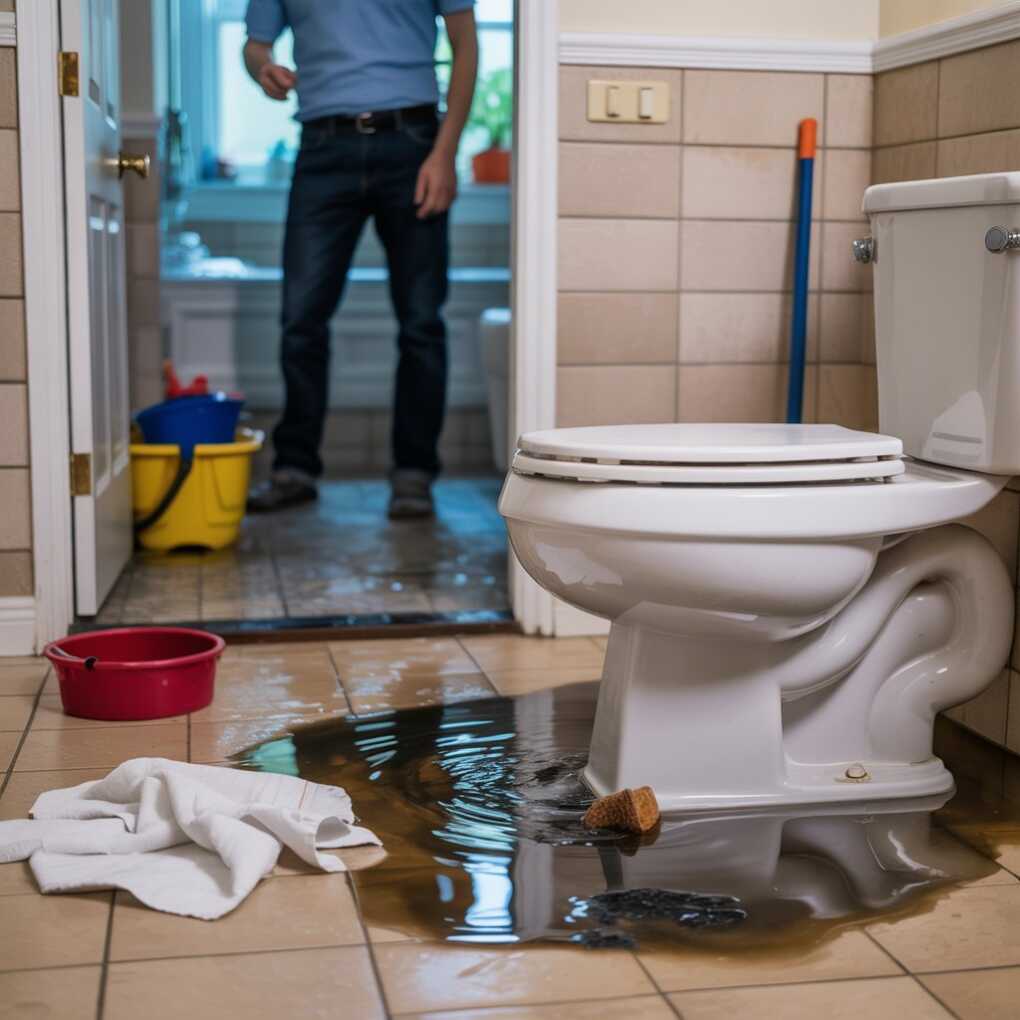
Monitoring Drain Performance Across the Home
A simple and effective way to catch plumbing issues early is to monitor how your drains are functioning. Slow drainage in sinks, showers, and toilets can be a sign of deeper issues within the pipes. If multiple fixtures are draining slowly, it suggests that the problem isn’t isolated to just one pipe but may be affecting the entire system.
Additionally, homeowners should pay attention to recurring backups, especially if the issue appears in different areas of the home. Even minor backups can indicate a blockage or narrowing within the sewer lines, signaling that a professional inspection may be necessary.
Using Camera-Based Pipe Inspections
Visual confirmation has become one of the most accurate early detection tools available today. A small camera guided through underground lines allows professionals to view interior pipe conditions in real time. This technology identifies cracks, buildup, root intrusion, and alignment defects without disturbing flooring or landscaping.
By using sewer video inspection, homeowners can gain a clear understanding of the issue, allowing for more targeted repairs. Services like Trenchless Solutions offer these video inspections, making it easy to detect issues before they lead to costly repairs. Whether it’s tree roots blocking the flow or a pipe beginning to corrode, early detection through video inspections helps owners address problems before they escalate.
Inspecting Outdoor Warning Indicators
Underground pipe damage often sends subtle signals to the surface. Persistent soft soil, uneven ground, or unexplained wet patches can indicate leaking beneath the yard. These changes frequently develop along the same path as buried sewer lines. Owners should consider these early warnings, as delayed attention can lead to more severe underground issues, including foundation damage or basement flooding.
Unusual plant growth also offers clues when vegetation appears greener or taller in narrow strips. That localized nourishment often comes from the unintended release of moisture below the surface. Paying attention to yard behavior now plays a key role in early detection. Keeping a record of these signs can help professionals locate problem areas quickly and prevent larger disruptions.
Acting Quickly on Odors and Sounds
It’s easy to ignore the smells and sounds in your plumbing, but they can be vital clues for detecting issues. If you notice gurgling noises coming from your drains or toilet, it could be a sign of trapped air caused by restricted water flow. These sounds often precede full blockages and should be addressed quickly.
Foul odors are another warning sign. Bad smells emanating from drains inside or outside the home usually indicate that the sewer system is compromised. While some people might be tempted to mask these odors with chemical solutions, it’s crucial to identify the root cause and take action before the issue worsens.
Scheduling Preventive System Evaluations
Routine inspection now plays a major role in preventing sudden damage. Older plumbing networks benefit from periodic review even when no symptoms appear. These checks uncover early wear long before collapse occurs.
Many homeowners now request an inspection before finalizing real estate purchases. This prevents inheriting unseen issues tied to buried sewer infrastructure. Post-storm reviews also help identify soil shifts that weaken underground lines. Preventive scheduling replaces emergency panic with control and predictability.
Choosing Non-Excavation Repair Early
When underground defects are discovered early, repair options remain limited in scale and scope. Pipe lining techniques restore flow without tearing through yards or flooring. Spot repairs replace only compromised sections instead of the entire sewer route. This minimizes the need for extensive labor, reducing overall repair costs while maintaining property integrity.
Full excavation becomes necessary mainly when damage is ignored until structural collapse occurs. By acting early, residents preserve property appearance, limit downtime, and reduce repair duration. Smaller corrections cost far less than full line replacement. Moreover, non-invasive methods like trenchless technology help homeowners avoid major landscaping and hardscape damage, making repairs less disruptive.
Conclusion
Early detection now defines how underground pipe damage is managed. By observing drain behavior, inspecting outdoor indicators, responding to odors, and scheduling preventive checks, homeowners reduce both repair scope and financial exposure. Quick confirmation through modern inspection methods prevents uncertainty from becoming a disaster. With careful attention and early action, damage tied to buried sewer systems no longer needs to arrive as a costly surprise.