
For many homeowners in Pleasantville, NY, the roof is often “out of sight, out of mind”—until a leak, storm, or inspection raises concerns. One of the most common questions local homeowners ask is: Do I need a roof repair, or is it time for a full roof replacement? The answer depends on several factors, including your roof’s age, condition, and the type of damage present.
Understanding the warning signs can help you avoid unnecessary expenses while protecting your home from long-term damage.
Start With the Age of Your Roof
Age is one of the most important indicators when deciding between roof repair and replacement. Most asphalt shingle roofs—commonly found throughout Pleasantville—are designed to last 20 to 30 years, depending on installation quality, ventilation, and ongoing maintenance.
If your roof is under 15 years old and experiencing minor issues, repairs are often sufficient. However, if your roof is nearing the end of its expected lifespan, even small problems can signal that replacement may be the more practical and cost-effective option.
Signs Your Roof May Only Need Repairs
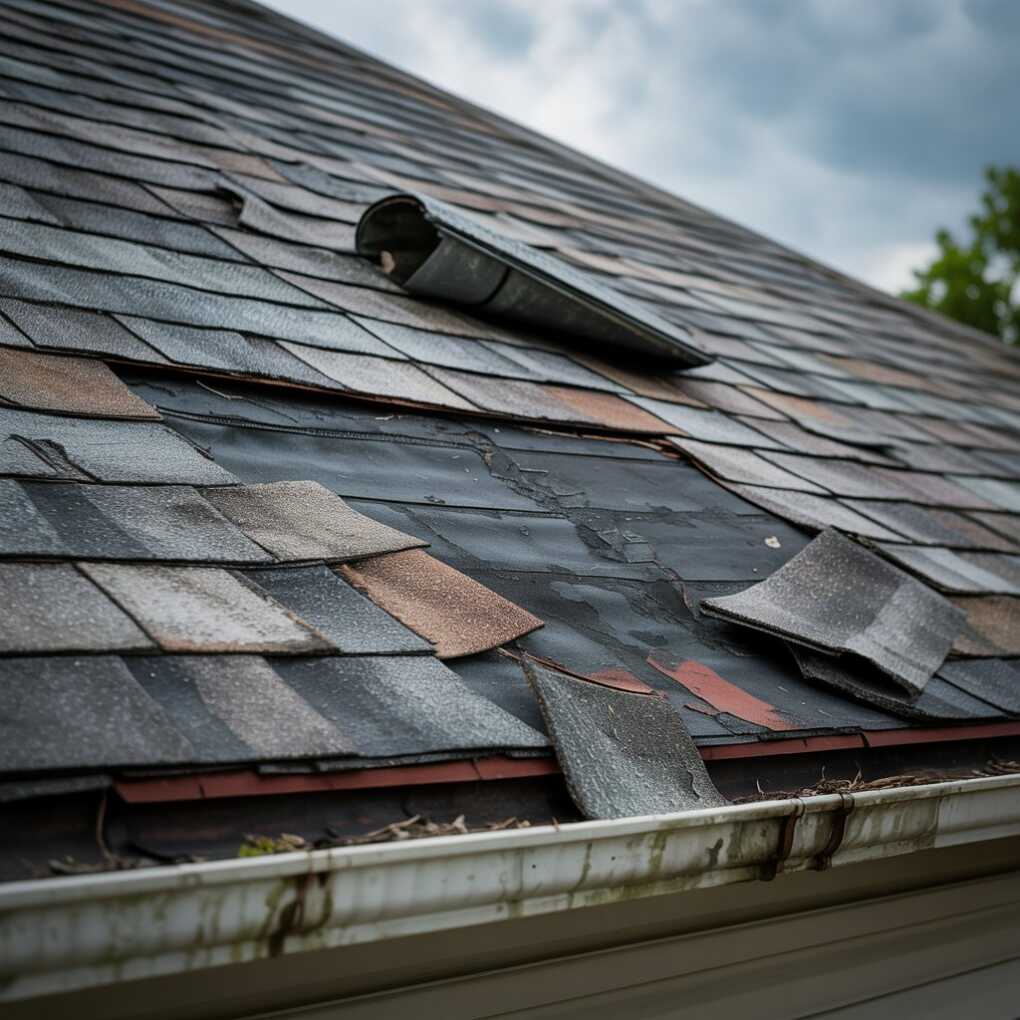
Not all roof problems require a full replacement. In many cases, damage is localized and can be resolved with targeted repairs. Common repair-friendly issues include:
- A small number of missing, cracked, or lifted shingles
- Minor leaks around flashing, chimneys, or vents
- Wind damage affecting a single section of the roof
- Isolated water stains that have not spread
Pleasantville’s seasonal weather—especially heavy rain, snow accumulation, and wind—can cause minor wear over time. When caught early, these problems can often be repaired before they lead to larger issues.
Warning Signs You May Need a Roof Replacement
Some roof issues are more widespread and indicate deeper problems. These warning signs typically suggest that repairs would only offer a temporary solution:
- Multiple leaks throughout the home
- Curling, buckling, or balding shingles across large areas
- Granules collecting in gutters or at downspouts
- Sagging rooflines or uneven sections
- Moss or algae growth covering significant portions of the roof
Homes in Pleasantville frequently experience freeze-thaw cycles during winter, which can accelerate roof deterioration. When damage affects large sections of the roof or the underlying structure, replacement is usually the safest long-term solution.
Repair vs. Replacement: Cost Considerations
While roof replacement has a higher upfront cost, repeated repairs can become expensive over time. If you’re scheduling frequent fixes or dealing with recurring leaks, replacement may actually save money in the long run.
A new roof can also improve energy efficiency, reduce heating and cooling costs, and increase resale value—important benefits in Pleasantville’s competitive housing market.
Get a Professional Roof Inspection
It’s not always easy to determine the extent of roof damage from the ground. A professional inspection provides a clear, unbiased assessment of your roof’s condition and helps you make an informed decision.
If you’re unsure what your roof needs, working with a roofing contractor who serves Pleasantville, NY can help you get a clear, honest answer. A knowledgeable local contractor understands regional weather patterns, building codes, and common roofing issues specific to Westchester County homes.
Storm Damage and Insurance Claims
Storms can cause hidden damage that may not be immediately visible. After high winds, heavy snow, or hail, it’s important to schedule an inspection as soon as possible. In many cases, homeowners insurance may cover roof repairs or replacement if the damage is weather-related.
Having documentation from a trusted roofing professional can make the claims process smoother and help ensure you receive appropriate coverage.
Addressing roofing issues early can prevent interior damage, mold growth, and costly structural repairs. For Pleasantville homeowners, staying proactive is the best way to protect your home and investment.
If you suspect your roof may need attention, a professional evaluation is the smartest next step to ensure your home remains safe, dry, and secure for years to come.