
Basement waterproofing is the process of protecting a home’s basement from water intrusion, moisture buildup, and long-term structural damage. For homeowners, especially those living in areas with varying soil conditions and seasonal rainfall, waterproofing is not just a preventative measure—it is an essential investment in the safety, durability, and value of a property. In communities like Bedford, Indiana, where weather patterns and groundwater levels can change throughout the year, understanding the importance of basement waterproofing in Bedford, IN can help homeowners avoid costly repairs and health concerns.
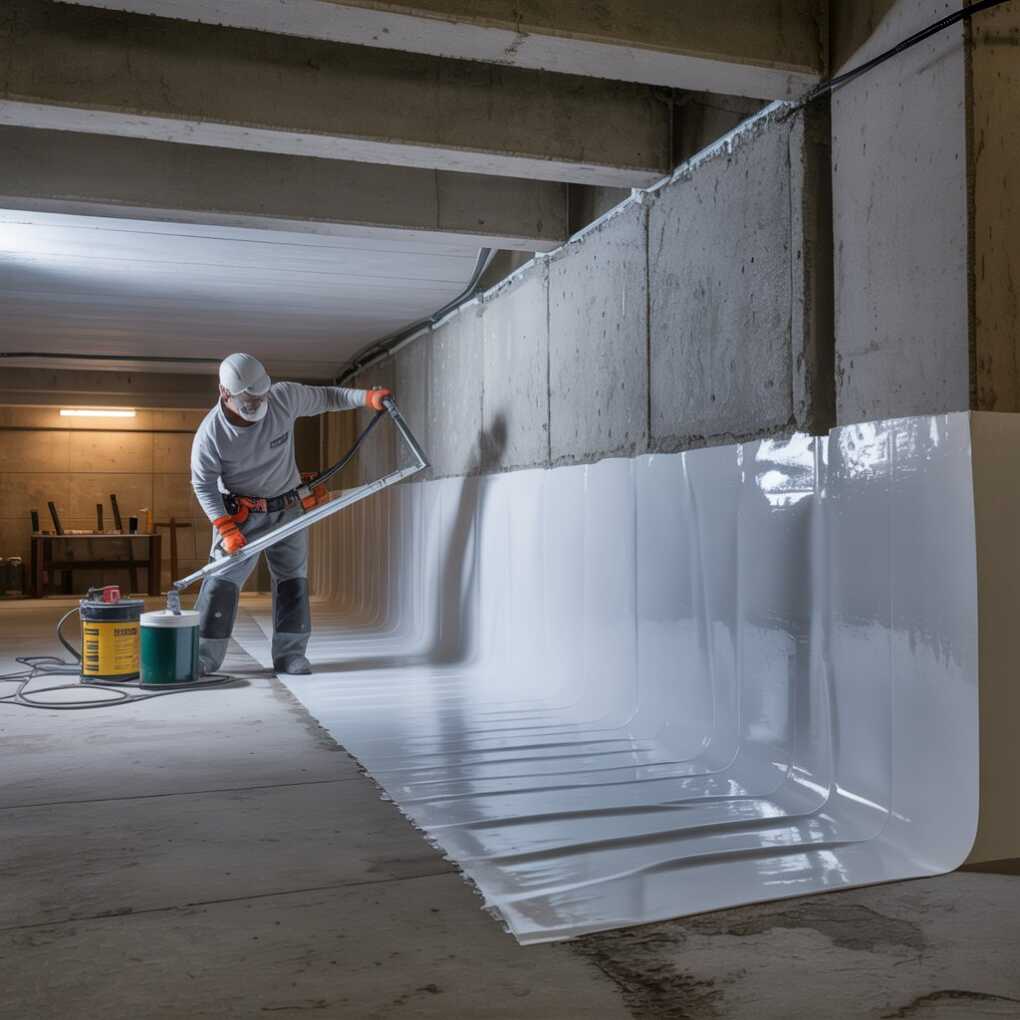
Understanding Basement Waterproofing
At its core, basement waterproofing involves a combination of techniques and systems designed to keep water out of below-ground living spaces. Water can enter a basement in several ways: through foundation cracks, porous concrete walls, window wells, or even through the floor where hydrostatic pressure forces groundwater upward. Without proper waterproofing, even a small leak can turn into a serious problem over time.
Waterproofing solutions typically fall into three main categories: interior waterproofing, exterior waterproofing, and drainage systems. Each method addresses different causes of moisture problems and may be used alone or in combination depending on the severity of the issue.
Why Basements in Bedford, IN Are Vulnerable
Homes in Bedford, IN often face unique challenges due to local soil composition and climate conditions. Heavy rains, melting snow, and fluctuating groundwater levels can place pressure on basement walls and foundations. Over time, this pressure can lead to cracks, leaks, and persistent dampness.
Additionally, many homes in the Bedford area were built decades ago, before modern waterproofing standards became common. Older foundations may lack proper drainage or protective coatings, making basement waterproofing especially important for homeowners looking to preserve older properties.
Interior Basement Waterproofing
Interior waterproofing focuses on managing water that has already entered the basement. This approach often includes sealing cracks in walls and floors, installing vapor barriers, and using waterproof coatings. While interior solutions do not stop water from reaching the foundation, they help control moisture and prevent it from spreading into living areas.
One of the most common interior methods is the installation of a sump pump system. Sump pumps collect excess water and redirect it safely away from the home, reducing the risk of flooding during heavy rainfall. For many homeowners in Bedford, IN, sump pumps are a crucial component of an effective basement waterproofing plan.
Exterior Basement Waterproofing
Exterior waterproofing is considered the most comprehensive and long-lasting solution. This method involves excavating around the foundation to apply waterproof membranes, sealants, and drainage boards directly to the outside walls. By stopping water before it enters the structure, exterior waterproofing protects the foundation from long-term deterioration.
While exterior systems require more labor and upfront cost, they are highly effective for severe water problems. In areas where groundwater pressure is a concern, professional basement waterproofing services often recommend exterior solutions for maximum protection.
Drainage Systems and Their Role
Proper drainage is a critical part of basement waterproofing. French drains, both interior and exterior, are designed to collect and redirect water away from the foundation. These systems relieve hydrostatic pressure and prevent water from pooling around basement walls.
In Bedford, IN, where heavy rain can overwhelm poorly designed drainage, installing or upgrading a drainage system can significantly reduce basement moisture issues. When paired with waterproofing membranes and sump pumps, drainage systems create a complete defense against water intrusion.
Benefits of Basement Waterproofing
The benefits of basement waterproofing go far beyond keeping floors dry. Waterproofing helps prevent mold and mildew growth, which can negatively affect indoor air quality and lead to respiratory problems. It also protects structural components such as wooden beams, insulation, and drywall from rot and decay.
From a financial perspective, basement waterproofing can increase property value and make a home more appealing to buyers. A dry, secure basement provides additional usable space and reassures potential homeowners that the property has been well maintained.
When to Consider Basement Waterproofing
Signs that a basement needs waterproofing include visible water stains, musty odors, peeling paint, efflorescence (white chalky residue on walls), and cracks in the foundation. Even if a basement has not experienced flooding, persistent humidity is often an early warning sign that moisture control is needed.
Addressing these issues early with professional basement waterproofing services can prevent more serious damage and save homeowners thousands of dollars in repairs.
Conclusion
Basement waterproofing is an essential safeguard for protecting homes from water damage, mold, and structural issues. For homeowners dealing with moisture concerns or planning ahead, basement waterproofing provides peace of mind and long-term protection. By understanding the available methods and acting before problems worsen, homeowners in Bedford can ensure their basements remain dry, healthy, and structurally sound for years to come.