
London’s historic homes whisper stories through their creaking floorboards and weathered brickwork. But beneath the charm? A silent battle against damp. Older properties—from Georgian townhouses to Victorian terraces—are especially prone to moisture nightmares. Why? Let’s peel back the layers.
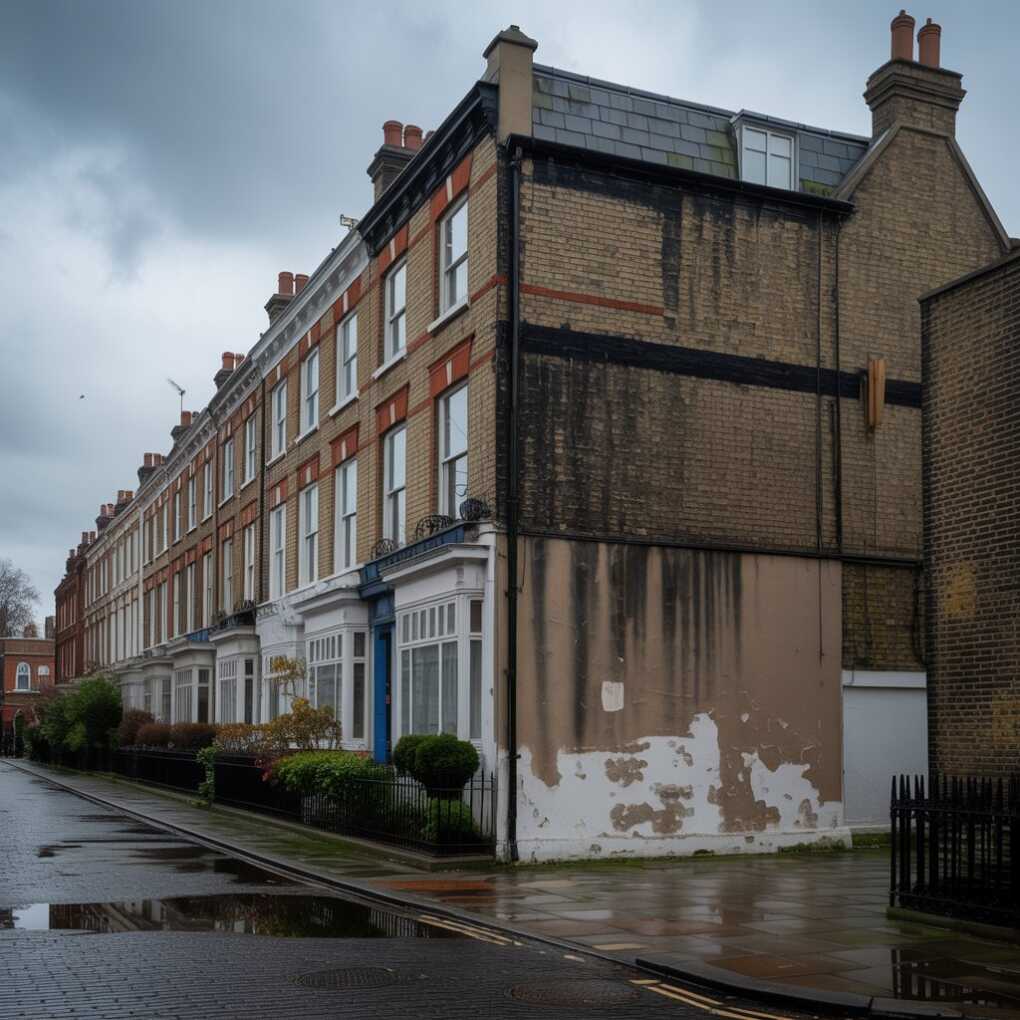
Cold. Damp. Mold. It’s not just “character.” It’s a structural time bomb. And if you’re living in a pre-1940s build, you’re already on the front lines.
🔍 Quick Reality Check: Is Your Home at Risk?
- Pre-1919 construction? 90% lack modern damp-proof courses (DPCs).
- Original single-skin brick walls? They soak up moisture like a sponge.
- That “old house smell”? Often the first sign of hidden rot.
The Hidden Flaws in London’s Historic Architecture
London’s older homes were built when “weatherproofing” meant crossing fingers and hoping for the best. No cavity walls. No vapor barriers. Just solid brick and good intentions. Fast-forward to 2026, and climate change is not kind to these relics.
Take rising damp. Modern homes have plastic DPCs installed 15cm above ground level. Older builds? Lime mortar or nothing at all. Rainwater seeps upward through capillary action—like a straw sucking mud. The result? Skirting boards rotting from the inside out.
“I thought the stains were just ‘period charm’,” admits Eleanor, a homeowner in Bloomsbury. “Turns out, the damp had eaten through three layers of plaster. Cost me £8k to fix.”
Why Modern Solutions Fail Older Walls
Here’s the kicker: slapping modern cement render on historic brick is like putting a bandage on a broken leg. Lime-based mortars (used pre-1919) need to breathe. Trap moisture with non-porous materials? You’ve just created a pressure cooker behind your walls.
| Era | Wall Construction | Damp Vulnerability | Common Fixes Gone Wrong |
|---|---|---|---|
| Pre-1850 | Solid brick + lime | Extreme | Cement rendering |
| 1850-1919 | Cavity walls (partial) | High | Ignoring DPC degradation |
| Post-1945 | Full cavity + DPC | Low | N/A |
Older homes they just weren’t built for today’s weather extremes. One storm in 2025 flooded 300+ basements in Hackney. Why? Original drainage systems clogged with 150-year-old silt.
The Condensation Trap Nobody Talks About
Victorian windows are beautiful. They’re also leaky as hell. Single-glazed panes + freezing winters = condensation rivers running down walls. Add modern double-glazing without ventilation? You’ve turned your home into a greenhouse for mold.
Stale air clings to cold surfaces. Especially in corners. Behind furniture. Under carpets. That fuzzy black spot in your bedroom? Stachybotrys chartarum—the “toxic mold” that triggers asthma attacks. And landlords? Many still ignore it. “It’s just London weather,” they shrug.
Real Damage, Real Costs
Ignoring damp isn’t just gross—it’s expensive. Check this breakdown:
- Rising damp → £2,500–£10,000 (replastering + DPC injection)
- Penetrating damp → £1,200–£5,000 (repointing + gutter fixes)
- Condensation mold → £800–£3,000 (ventilation upgrades)
But here’s the dirty secret: 60% of “damp repairs” fail within 2 years because contractors use cookie-cutter solutions. Your 1800s townhouse isn’t a 1980s estate. Treat it like one, and you’ll pay twice.
💡 Pro Tip: The £5 Test That Saves Thousands
Grab a hygrometer (costs less than a coffee). Check humidity levels:
- Above 65%? You’re in mold danger zone.
- Above 75%? Immediate action needed.
Place it near external walls and in closets. Cold spots hide the worst damp.
Why London’s Soil Makes Everything Worse
London sits on a swamp. Literally. The Thames floodplain + clay-heavy soil = a moisture buffet for foundations. Clay expands when wet, cracking old brickwork. Then it dries and shrinks—creating gaps for water to rush in. It’s a cycle older homes can’t win.
Even “minor” damp causes chaos:
- Timber decay: Dry rot spreads 1m per month in ideal conditions.
- Electrical hazards: Moisture corrodes wiring behind skirting boards.
- Health risks: Damp homes increase childhood asthma by 45% (source: UK Health Security Agency).
The Ventilation Lie
“Open windows more!” says your landlord. Sure—when it’s -2°C outside. Older homes lack background ventilation. Modern builds have trickle vents in windows. Historic properties? Drafty or sealed shut. No middle ground.
One Camden homeowner tried “fixing” drafts with silicone sealant. Result? Condensation pooled behind cupboards. By the time they noticed, the floor joists were mush.
Crown Preservation’s No-BS Guide to Fixing Damp
Not all damp companies are equal. Many spray biocides and call it a day. Real solutions need diagnosis first. Here’s what actually works:
- Damp surveys with thermal imaging – Find hidden moisture before ripping walls apart.
- Lime plaster repairs – Lets walls breathe (unlike gypsum).
- Positive input ventilation – Not extractor fans. Whole-house air exchange.
“We had three quotes,” says Raj from Islington. “One guy said ‘just repaint.’ Crown Preservation found the blocked downpipe causing our wall damp. Fixed it for half the price others quoted.”
Why “Cheap Fixes” Backfire
| “Fix” | What Happens | Long-Term Cost |
|---|---|---|
| Waterproof paint | Traps moisture → plaster blows off | £3,000+ redo |
| DIY damp kits | Incorrect injection → gaps remain | £4,500 professional redo |
| Ignoring it | Structural decay → unsafe floors | £15,000+ |
Older homes need specialists who respect their quirks. Not cowboys with a spray gun.
The Legal Nightmare Lurking in Your Walls
Let’s talk deposits. If you’re a landlord, Section 11 of the Landlord and Tenant Act 1985 requires you to fix damp promptly. Fail that? Tenants can sue for 50% rent reimbursement. One Brixton landlord lost £18k after mold hospitalized a tenant’s child.
Even leaseholders aren’t safe. In 2024, a Camden court ruled a homeowner liable for neighbors’ damp because their neglected gutter caused roof leaks. Damp isn’t just your problem—it’s a community hazard.
What Tenants Can Do TODAY
- Document everything: Timestamped photos of mold growth.
- Demand a professional survey: Under HHSRS guidelines, severe damp = Category 1 hazard.
- Withhold rent? Only via escrow—never skip payments outright.
Ignorance isn’t bliss. It’s a lawsuit waiting to happen.
Don’t Gamble With London’s Oldest Enemy
Damp doesn’t care about your heritage. It doesn’t care about your budget. It will win if you half-ass the solution. Older London homes need tailored fixes—not off-the-shelf bandages.
Here’s the truth: 80% of damp issues start small. A crack. A clogged gutter. A single rotting floorboard. Catch it early, and you spend hundreds. Wait? Thousands. Or worse—your home becomes uninsurable.
Final Warning: The Clock Is Ticking
Moisture damage accelerates in winter. By the time you see mold, the structural harm is done. That “slight musty smell” in your basement? Likely dry rot eating your joists right now.
Act before:
- Plaster starts bubbling
- Walls feel cold to the touch
- Wood emits a “fruity” odor (rot alert!)
🚨 Your Next Move (Do This Now)
- Check external walls for cracks >2mm wide
- Clear debris from gutters/downpipes
- Call damp repair services London trusts for a no-jargon survey
Delay = decay. Every week counts.
Why Crown Preservation Isn’t “Just Another Damp Company”
We’ve fixed damp in 1,200+ London period homes since 2009. How? By treating your house, not just the symptom.
- No sales pressure: You get a written report before we quote.
- Heritage-trained techs: We know lime plasters from Portland cement.
- 10-year guarantees: Most competitors offer 2. We stand by our work.
“They didn’t just fix the damp—they explained why it happened,” says Mei Ling, a homeowner in Notting Hill. “Turns out my ‘period charm’ fireplace blocked airflow. Who knew?”
Still Hesitating? Consider This…
That patch of mold? It’s growing while you read this. At $r = 0.5 \text{ cm/day}$, a 1cm spot becomes a 15cm disaster in a month. Math doesn’t lie.
London’s older homes deserve better than quick fixes. They deserve experts who know brick dust from biocide spray.
Stop letting damp steal your home’s future.
👉 Get a free damp assessment from Crown Preservation
P.S. Found this useful? Share it with that friend who “loves old houses.” Their walls might be crying for help.