
Ever stepped into the shower on a chilly winter morning only to be greeted by an icy blast of water? Or perhaps you’ve noticed your energy bills creeping up without explanation? Maybe you’ve spotted a suspicious puddle forming around your hot water system? These frustrating scenarios often point to one thing: it’s time to think about replacing your hot water unit
Getting your hot water unit replacement right isn’t just about having warm showers again—though that’s certainly a bonus! It’s about making a smart investment that’ll serve your household for years to come. The choices you make now will affect your energy bills, your environmental footprint, and your daily comfort for the next decade or more.
In this guide, we’ll walk you through everything you need to know about hot water unit replacement in box hill. From spotting the telltale signs that your system’s on its last legs, to choosing the perfect replacement, understanding costs, and avoiding common mistakes—we’ve got you covered. By the end, you’ll feel confident about making the right decision for your home and family.
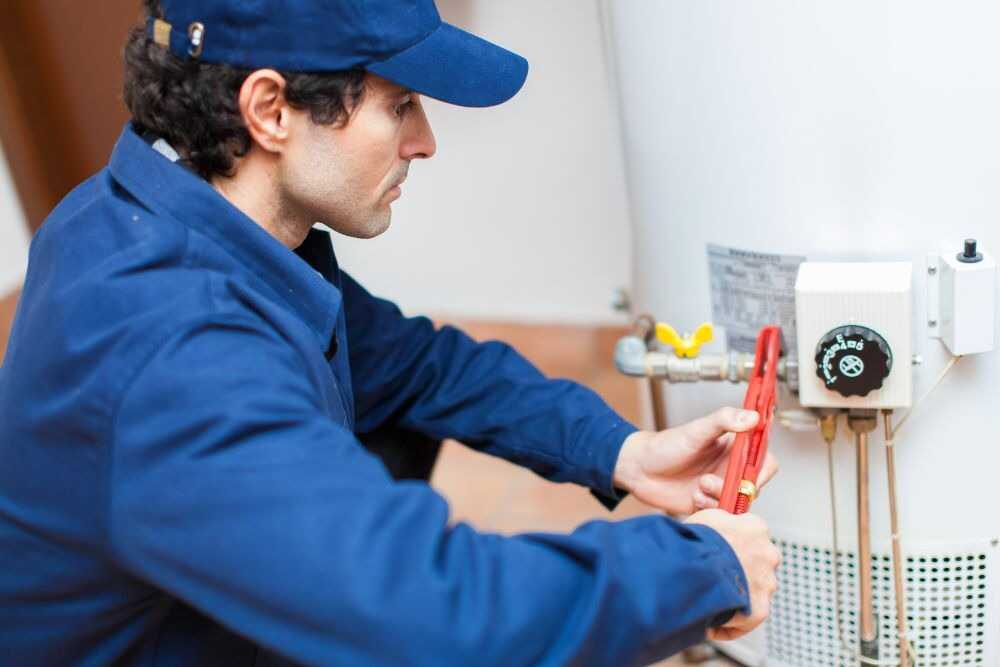
Signs It’s Time to Replace Your Hot Water System
How Do I Know If My Hot Water System Needs Replacing?
Your hot water system won’t last forever, and recognising when it’s time to say goodbye can save you from unexpected cold showers and water damage. Generally speaking, most hot water systems last between 8 and 15 years, depending on the type and how well they’ve been maintained.
If your system is approaching or past the 10-year mark, it’s worth keeping a closer eye on its performance. Don’t wait for a complete breakdown—being proactive means you can research options and plan your budget rather than making rushed decisions.
Common Warning Signs You Shouldn’t Ignore
Several red flags indicate your hot water unit is struggling. Rusty or discoloured water coming from your taps suggests internal corrosion. Strange rumbling, popping, or banging noises often mean sediment buildup has become severe. Water pooling around the base of your unit points to leaks that’ll only worsen.
Plus, if you’re running out of hot water faster than usual, or your energy bills have spiked without explanation, your system’s efficiency has likely dropped significantly. These issues typically cost more to repair than the unit is worth, especially in older systems.
Age Considerations: When Is a Hot Water Unit Too Old?
Electric storage systems typically last 10-15 years, while gas units often give you 8-12 years of service. Solar hot water systems can push past 20 years with proper care, and heat pumps generally offer 10-15 years of reliable operation.
Keep in mind that an ageing system might still work but operate inefficiently. You could be paying far more in running costs than you would with a modern, energy-efficient replacement.
Choosing the Right Hot Water System for Your Home
What Type of Hot Water System Is Best for My Home?
Selecting the right system depends on your household’s specific needs, your budget, and your property’s setup. There’s no one-size-fits-all answer, but understanding your options makes the decision much easier.
Consider your daily hot water usage, available space, existing connections (gas, solar capacity, electrical setup), and how long you plan to stay in your home. A family of five has very different needs compared to a couple in a small apartment.
Electric vs Gas vs Solar vs Heat Pump: A Quick Comparison
Electric storage systems are affordable upfront and simple to install, but they’re typically the most expensive to run. Gas systems heat water quickly and cost less to operate than electric, though you’ll need a gas connection.
Solar hot water</strong> offers excellent long-term savings and environmental benefits, but requires suitable roof space and higher initial investment. Heat pumps are incredibly energy-efficient, using ambient air to heat water, and work well in most Australian climates. They’re pricier upfront but can slash running costs dramatically.
What Size Hot Water System Do I Need for My Household?
Getting the size right is crucial. Too small, and you’ll run out of hot water mid-shower. Too large, and you’re paying to heat water you won’t use.
As a rough guide, a household of 1-2 people typically needs 125-160 litres, 3-4 people require 250-315 litres, and families of 5 or more should consider 315-400+ litres. However, your actual usage patterns matter too—do you have teenagers taking long showers? Multiple bathrooms running simultaneously?
Understanding Hot Water Unit Replacement Costs in Australia
How Much Does It Cost to Replace a Hot Water System?
Hot water system replacement in Australia typically ranges from $800 to $3,500 or more, depending on the system type and installation complexity. Electric storage systems sit at the lower end, while solar and heat pump systems command higher prices.
Don’t focus solely on the purchase price, though. Factor in installation costs, which can add $300-$1,000 depending on whether existing connections need modification.
Factors That Affect Installation Pricing
Several elements influence your final bill. Switching from one system type to another (say, electric to gas) requires additional work and materials. The location of your unit matters too—difficult access adds labour time.
Removing and disposing of your old system, upgrading valves and pipes, and meeting current building codes can all add to costs. Always get multiple quotes and make sure they include all these potential extras.
Are There Government Rebates Available for Hot Water Systems?
Good news! Various state and federal rebates can significantly reduce your costs, particularly for energy-efficient options like heat pumps and solar systems. Victoria’s VEU program, NSW’s Energy Savings Scheme, and federal Small-scale Technology Certificates (STCs) can provide substantial savings.
These rebates change regularly, so check the latest offerings before making your decision. Your installer should be able to guide you through available incentives in your area.
DIY vs Professional Installation: What You Need to Know
Can I Install a Hot Water System Myself?
In short—no, not legally or safely. Australian regulations require licensed professionals for hot water system installation. This isn’t bureaucratic red tape; it’s about safety and compliance.
Hot water installations involve electrical work, plumbing, and potentially gas fitting. Each requires specific licensing. Attempting DIY installation can void warranties, create safety hazards, and result in hefty fines.
Why Licensed Plumbers Are Essential for Hot Water Installation
Licensed plumbers understand the technical requirements and local regulations governing hot water installations. They’ll make sure your system is correctly sized, properly connected, and compliant with Australian Standards.
What’s more, professional installation protects your warranty and gives you recourse if something goes wrong. Most manufacturers require professional installation as a warranty condition.
What to Look for When Hiring a Hot Water Installer
Choose installers with specific experience in the system type you’re installing. Check their licence credentials and insurance coverage. Read reviews and ask for references if you’re unsure.
Get written quotes that detail all costs, and don’t automatically choose the cheapest option. Ask about their warranty on workmanship and how they handle any issues that arise post-installation.
Preparing for Your Hot Water Unit Replacement
Questions to Ask Before Installation Day
Before your installer arrives, clarify a few important details. Where exactly will the new unit be positioned? Will any modifications be needed to your current setup? How long will you be without hot water?
Also ask about disposal of your old unit, whether permits are required, and what the payment terms are. Clear communication prevents surprises on the day.
How to Prepare Your Home for the Installation Process
Make sure there’s clear access to both your existing unit and the installation location. Move any stored items, vehicles, or obstacles that might get in the way.
Know where your water and electricity mains are located in case they need to be shut off. If you’re home during installation, expect some noise and minor disruption—it’s usually over within a few hours.
How Long Does It Take to Replace a Hot Water System?
A straightforward like-for-like replacement typically takes 2-4 hours. However, if you’re switching system types or significant modifications are needed, expect a full day’s work.
Solar installations generally take longer due to roof work requirements. Your installer should give you a realistic timeframe during the quoting process.
Common Hot Water Replacement Mistakes to Avoid
Choosing the Wrong System Size
Undersizing is a common error that leads to frustrating cold shower experiences. Equally, oversizing wastes energy heating water you’ll never use. Take time to accurately assess your household’s needs.
Overlooking Energy Efficiency Ratings
That cheaper unit might cost you more over its lifetime through higher running costs. Energy star ratings exist for a reason—higher-rated systems use less energy, saving you money long-term and reducing your environmental impact.
Ignoring Warranty and Aftercare Considerations
Always check warranty terms before purchasing. Understand what’s covered, for how long, and what conditions apply. A longer warranty often indicates manufacturer confidence in their product’s durability.
Maximising the Lifespan of Your New Hot Water Unit
Essential Maintenance Tips for Longevity
Annual inspections, checking the pressure relief valve, and monitoring for leaks will help your system last longer. For storage systems, occasional sediment flushing prevents buildup that reduces efficiency.
How Often Should a Hot Water System Be Serviced?
Most manufacturers recommend professional servicing every 3-5 years, though checking your specific warranty requirements is wise. Regular maintenance catches small problems before they become expensive failures.
Your Next Steps to Hot Water Success
Replacing your hot water unit doesn’t need to be stressful or confusing. By recognising the warning signs early, choosing the right system for your needs, and working with qualified professionals, you’re setting yourself up for years of reliable hot water and lower energy bills.
Take your time with this decision. Research available rebates, get multiple quotes, and don’t be afraid to ask questions. The effort you put in now will pay dividends in comfort, savings, and peace of mind.
Ready to take the plunge? Start by assessing your current system’s condition and researching which hot water type best suits your household. Your perfect hot water solution is waiting—and those warm, uninterrupted showers are closer than you think!