
Spring has a way of revealing problems that winter quietly created. Snow melts, rain picks up, and suddenly basements that seemed fine in December are showing damp patches, seepage, and water on the floor. It happens every year — and every year, homeowners are caught off guard by it.
But here’s the flip side: spring isn’t just when basement problems surface. It’s also the single best time of year to do something about them.
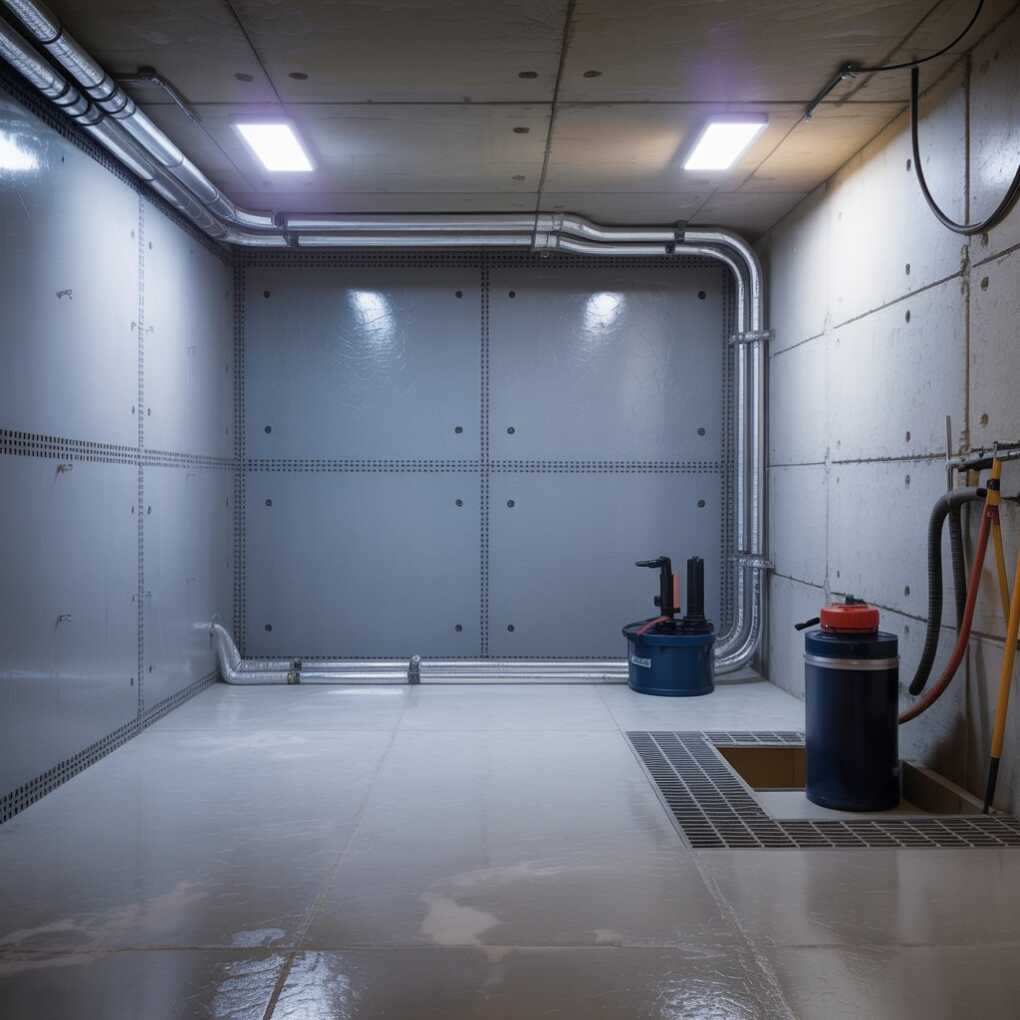
Spring Puts Your Basement Under Maximum Stress
To understand why spring is the ideal time to waterproof, it helps to understand what’s actually happening to your foundation during the thaw.
Over winter, the soil around your foundation freezes and expands. It shifts, contracts, and puts lateral pressure on your walls. When temperatures rise, all the moisture locked in that frozen ground releases at once — often faster than natural drainage can handle. That water saturates the soil, builds up hydrostatic pressure against your foundation, and pushes through any crack, joint, or weak point it can find.
At the same time, snowmelt running off your roof overwhelms gutters and downspouts, pooling near your foundation before it has anywhere to go. Then, the spring rain adds to the volume. The result is that your basement is under more water pressure in March, April, and May than at virtually any other point in the year.
Direct Waterproofing in Pickering offers free inspections year-round — and spring is when their team sees the clearest picture of where water is getting in, because the conditions make every vulnerability visible.
Problems Are Easiest to Diagnose When They’re Active
This is one of the most practical reasons to act in spring rather than waiting until summer: water problems are easiest to find and diagnose when water is actively present.
A crack that seeps during peak moisture conditions may look completely dry by July. A drainage failure that backs up during snowmelt may not reproduce itself until the following spring. When a waterproofing professional inspects your basement in April after a week of rain, they’re seeing the space under real conditions — which means they can identify exactly where water is entering, how it’s moving, and what’s failing.
Waiting until the dry summer months to schedule an inspection often means working from evidence and guesswork rather than direct observation. Spring gives you the most accurate diagnosis available.
Contractors Are More Available Than You’d Expect
A lot of homeowners assume spring is the busiest season for waterproofing contractors and put off calling because they expect long wait times. In reality, the surge in demand hits hardest after a significant flooding event — and scheduling a few weeks into spring, rather than at the peak of an emergency period, often means better availability and more attention to your project than you’d get in a reactive rush.
Summer, by contrast, tends to fill up with renovation work — decks, landscaping, additions — and waterproofing projects that were deferred from spring end up waiting longer than expected. Getting on the schedule in spring means your basement is protected before the next wet season, not after it.
Exterior Work Is More Practical in Spring Conditions
For projects that require exterior excavation — full foundation membrane work, weeping tile replacement, exterior drainage improvements — spring soil conditions are actually favorable. The ground is soft and workable after the frost comes out, making excavation more efficient than in the hardened soil of late summer or the frozen ground of fall.
It’s also the right timing from a protection standpoint. Having exterior waterproofing completed in spring means your foundation is fully protected heading into the heavy rain months that typically follow — rather than completing the work after the season that caused the damage in the first place.
The Cost of Waiting One More Season
It’s tempting to see the problem, note that it seems manageable, and decide to revisit it before next winter. But basement moisture problems have a consistent pattern: they don’t stay the same. Each freeze-thaw cycle widens existing cracks. Each wet spring pushes more water through failing drainage. Each season of moisture exposure does a little more damage to insulation, framing, and concrete.
What costs a targeted repair this spring becomes a more involved project by next spring — and a significantly more expensive one the spring after that. The window for the least invasive, most affordable fix is always now, not later.
If your basement showed you something this spring, take it seriously. The season that revealed the problem is also the best season to solve it.