
Robot vacuums have become an essential tool for maintaining clean floors with minimal effort. They are particularly useful for busy households, pet owners, and anyone looking to save time on regular cleaning. While robot vacuums are convenient and efficient, they still require regular maintenance to perform optimally. Over time, filters, brushes, and mops can become clogged, worn, or dirty, reducing the vacuum’s efficiency. Knowing how to clean and replace these components is crucial for maintaining suction power, prolonging the lifespan of the device, and keeping your home clean.
Understanding the Components of Your Robot Vacuum
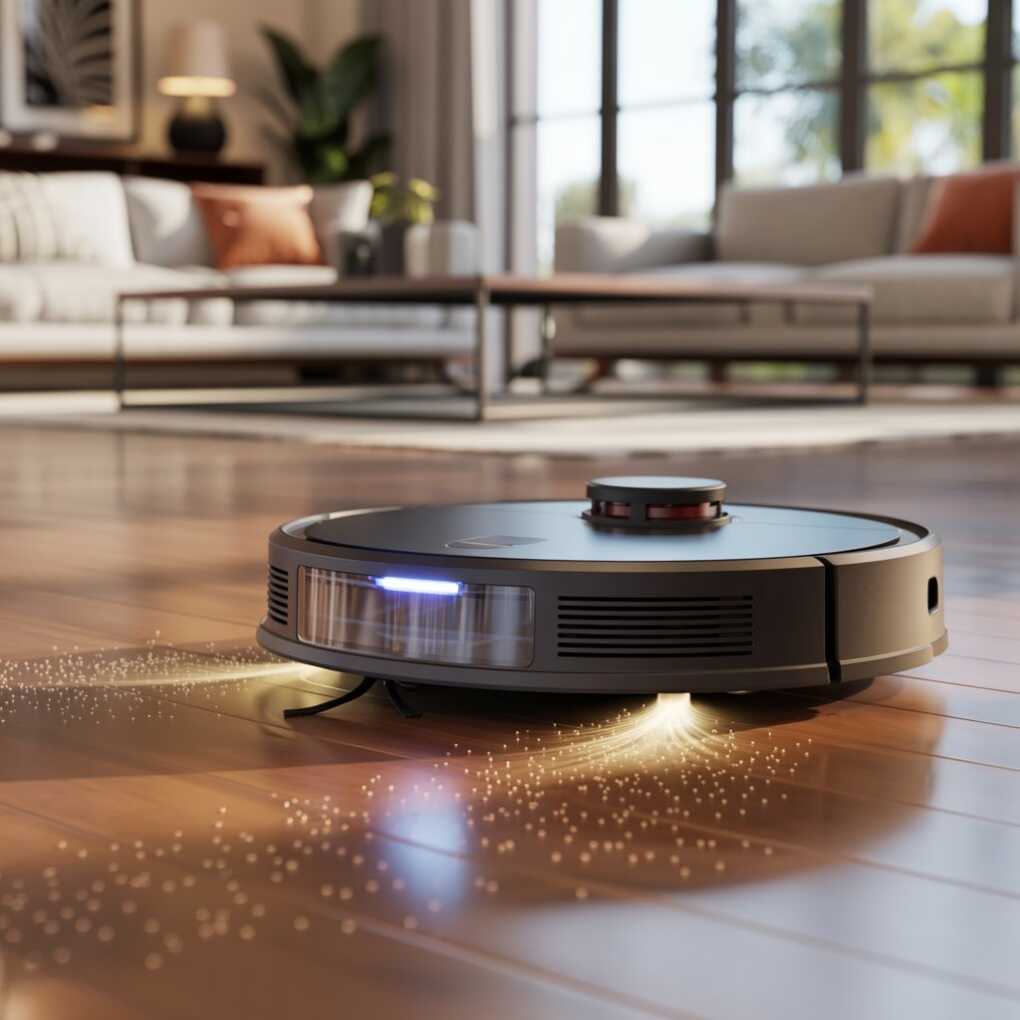
A typical robot vacuum consists of several key components that require attention. The filter captures dust, dirt, and allergens from the air as the vacuum operates. Brushes, including side brushes and the main roller brush, sweep debris into the suction path. Some models also include mops or water tanks for wet cleaning. Each component has a specific function, and neglecting maintenance can result in poor cleaning performance, increased wear on the motor, and even malfunction.
Why Maintenance Is Important
Regular maintenance ensures your robot vacuum works efficiently and effectively. Dirty filters restrict airflow, causing the vacuum to lose suction and potentially overheat. Worn brushes or tangled hair and debris can prevent proper cleaning and increase strain on the motor. Mops that are not cleaned regularly can spread dirt and leave streaks on your floors. Maintaining these components not only improves cleaning performance but also extends the life of your robot vacuum, saving you money on repairs or replacements in the long term.
How to Clean the Filter
The filter is one of the most important components for maintaining air quality and suction power. Most robot vacuum filters are removable and can be tapped gently to remove dust and debris. For deeper cleaning, some filters can be washed with water, but it is essential to check the manufacturer’s instructions to determine whether your filter is washable. If washing is allowed, rinse it under running water and allow it to dry completely before reinstalling. Filters that are damaged, heavily soiled, or no longer effective should be replaced according to the manufacturer’s recommended schedule, usually every three to six months depending on usage.
Maintaining the Brushes
Robot vacuums typically feature a combination of side brushes and a main roller brush. Side brushes reach into corners and edges to sweep debris toward the suction area, while the main brush agitates dirt and moves it into the vacuum path. Over time, hair, string, and dust can wrap around the brushes, reducing their effectiveness. To clean brushes, remove them from the vacuum according to the instructions and carefully cut away tangled hair and debris with scissors or a cleaning tool. Ensure the brushes spin freely before reinstalling. Brushes may also wear down over time, and replacing them when they become worn ensures the vacuum continues to pick up dirt efficiently.
Cleaning and Replacing Mops
For robot vacuums with mopping functionality, the mop pads require regular cleaning. After each use, remove the mop pad and rinse it thoroughly with water to remove dirt and stains. Some mop pads are machine washable, which can make cleaning more convenient. Over time, mop pads may lose their absorbency or become stained, and replacing them ensures your floors are left clean and streak free. For models with water tanks, it is also important to empty and rinse the tank to prevent the growth of mould or bacteria.
Tips for Efficient Maintenance
Maintaining your robot vacuum is easier when done on a schedule. Consider the following tips for keeping your vacuum in top condition:
- Check and clean filters at least once a week, or more often if you have pets.
- Remove hair and debris from brushes after every few cleaning sessions.
- Wash or replace mop pads regularly, depending on usage.
- Inspect wheels and sensors to ensure they are free from dust and obstruction.
- Follow the manufacturer’s recommended replacement schedule for filters, brushes, and mop pads.
- Store the robot vacuum in a clean, dry area to prevent damage when not in use.
Recognising When Replacement Is Necessary
Even with regular cleaning, components of a robot vacuum eventually need replacement. Signs that a filter should be replaced include visible wear, tears, or reduced suction despite cleaning. Brushes may need replacement if bristles are bent, broken, or no longer spin correctly. Mop pads should be replaced when they lose absorbency, develop unpleasant odours, or become permanently stained. Following replacement recommendations from the manufacturer ensures optimal performance and avoids potential damage to the vacuum.
Common Mistakes to Avoid
When maintaining a robot vacuum, it is important to avoid common mistakes that could reduce performance or damage the device. Avoid washing filters that are not designed to be wet, as this can render them ineffective. Do not use harsh chemicals or abrasive tools on brushes or mop pads, as this can cause damage. Always ensure components are completely dry before reassembling the vacuum to prevent moisture from entering the motor or electrical components. Finally, avoid ignoring small maintenance tasks, as minor issues can quickly escalate into costly repairs if left unaddressed.
Benefits of Regular Maintenance
Regular maintenance of your robot vacuum provides numerous benefits. It keeps the vacuum operating at peak efficiency, ensuring that your floors are cleaned thoroughly. Well maintained filters improve air quality by capturing allergens and dust. Brushes and mops that are cleaned and replaced as needed ensure consistent cleaning performance and prevent streaking or missed debris. Proper maintenance also extends the lifespan of your robot vacuum, reducing the likelihood of breakdowns and costly replacements.
Conclusion
Cleaning and replacing filters, brushes, and mops on your robot vacuum is essential for maintaining optimal performance, protecting your investment, and ensuring clean and healthy living spaces. Understanding the function of each component, following regular maintenance routines, and recognising when replacement is necessary can help you achieve consistent results and prolong the life of your device.
By taking a few minutes each week to inspect and maintain your robot vacuum, you can prevent issues before they arise and keep your floors looking their best. Whether you have a small apartment, a family home, or a property with pets, a well maintained robot vacuum provides a convenient and effective cleaning solution. Investing in proper care today saves time, effort, and money in the long term while ensuring your home remains clean and comfortable.