

Quick Answer
Hiring a full-service renovation company streamlines your entire project by consolidating design, permitting, and construction under one roof. This approach eliminates the need to coordinate multiple independent trades, significantly reducing the risk of scheduling conflicts and communication errors. Homeowners often find that this unified management leads to faster completion times, more accurate budgeting, and far less personal stress compared to managing a fragmented team of specialists.
Imagine standing in your kitchen, envisioning new cabinets and modern appliances, only to feel overwhelmed before you even pick up a hammer. The dream of transforming your living space often collides with the reality of coordinating electricians, plumbers, and carpenters, each with their own schedule and priorities. This fragmentation is where many projects lose momentum, turning an exciting upgrade into a source of daily anxiety and unexpected expenses.
This is precisely why so many homeowners are shifting toward a unified approach. Instead of juggling five different phone numbers and hoping everyone shows up on time, you can entrust your vision to a single dedicated team. Partnering with experienced professionals like NJL Renovations ensures that every phase of your project flows seamlessly from the initial sketch to the final coat of paint.
The difference lies in accountability and efficiency. When one entity manages the entire process, there is no room for passing the blame or delaying work due to miscommunication. You gain a partner who is invested in the final result just as much as you are, allowing you to focus on selecting finishes rather than solving logistical nightmares.
The True Cost of Fragmented Renovation Management
When homeowners decide to upgrade their living spaces, the temptation to hire individual specialists for each task often seems like a way to save money. However, this fragmented approach frequently leads to hidden expenses and logistical nightmares that a unified team avoids entirely. Understanding the mechanics behind project management reveals why a single point of contact is invaluable for maintaining both your budget and your sanity.
The Domino Effect of Scheduling Delays
One of the most significant risks in managing multiple trades is the cascading effect of delays. In a typical scenario where you hire separate entities, the electrician must finish before the drywaller can begin, and the plumber must complete their rough-in before the tiler arrives. If one renovation contractor falls behind schedule due to an emergency on another job, every subsequent trade is forced to wait.
These gaps in the timeline do more than just push back your move-in date. They often result in:
- Rescheduling Fees: Tradespeople may charge extra to return to your site later.
- Material Storage Issues: Delivered materials might sit exposed to dust or damage while waiting for installation.
- Extended Living Disruptions: The longer the construction lasts, the longer your family lives in a construction zone.
A full-service team manages these dependencies internally. If a delay occurs, they reshuffle their own crews to ensure work continues elsewhere in the house, keeping the overall timeline intact without passing the cost or stress on to you.
Budget Transparency vs. Hidden Markups
Financial clarity is another area where a consolidated approach shines. When you engage various home renovation contractors individually, you are often paying retail prices for materials since each trade buys only what they need for their specific task. They may also add markups to cover their own procurement time and risk.
In contrast, a full-service firm leverages bulk purchasing power and established supplier relationships. Below is a comparison of how costs typically break down between the two approaches:
| Cost Factor | Fragmented Approach (Multiple Trades) | Full-Service Approach (Single Team) |
| Material Pricing | Retail or small wholesale rates per trade | Bulk wholesale rates across the whole project |
| Labor Coordination | Homeowner pays for idle time between trades | Internal crew scheduling eliminates idle time |
| Change Orders | High fees for mid-project adjustments | Streamlined pricing with lower administrative overhead |
| Error Correction | Disputed responsibility leads to unpaid rework | Single warranty covers all corrections immediately |
| Permitting Fees | Potential multiple filings or errors | Consolidated permitting handled by experts |
This structure ensures that the quote you receive is far more likely to match the final invoice. There are no surprise bills from a plumber claiming the electrician moved a pipe, because the same team handles both systems and coordinates the layout before any work begins.
Accountability and Quality Control
Perhaps the most compelling reason to choose a comprehensive service model is the clear line of accountability. In a fragmented project, if a leak appears after the tiles are installed, the tiler may blame the plumber, and the plumber may blame the preparation of the surface. You, as the homeowner, are left in the middle of this dispute, often paying out of pocket to fix the issue while the parties argue.
With a unified team, there is no ambiguity. The company stands behind the entire scope of work. If an issue arises, they resolve it immediately without pointing fingers. This level of responsibility extends to the quality of the finish as well. A dedicated project manager oversees every stage of home remodeling, ensuring that the craftsmanship meets a consistent standard from demolition to cleanup.
Strategic Planning and Execution for Seamless Results
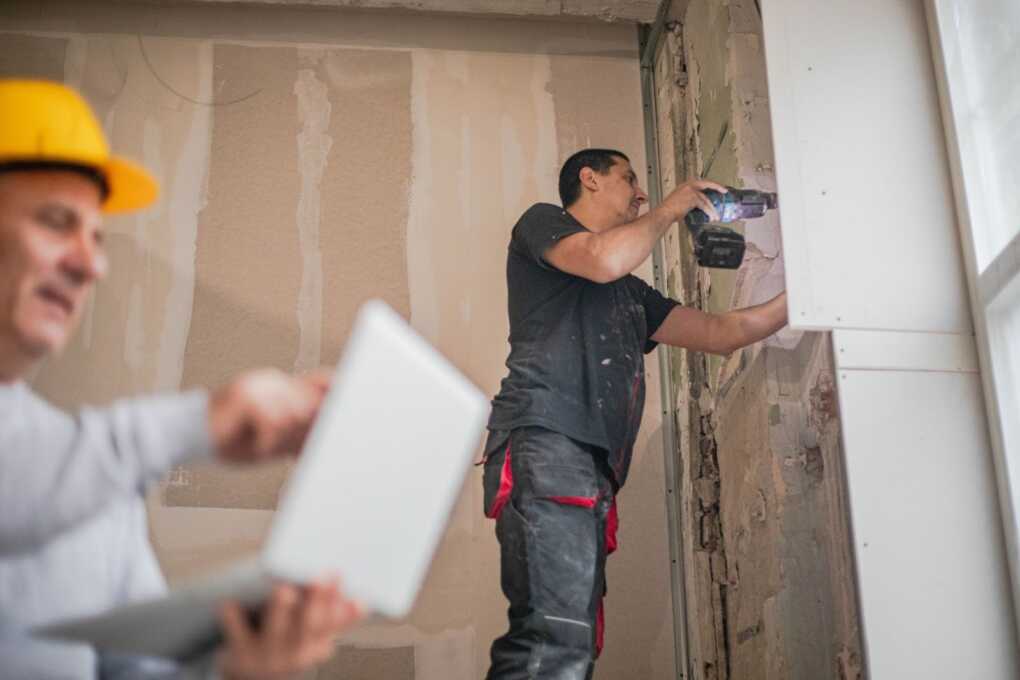
Once you decide to move forward with a comprehensive renovation strategy, the focus shifts to how the work is actually executed. The difference between a chaotic project and a smooth transformation often lies in the pre-construction planning and the integrated design-build methodology. This phase is where potential problems are solved on paper before they ever become costly issues on your job site.
The Power of Integrated Design-Build
Traditional methods often separate the design phase from the construction phase. You might hire an architect or designer to create beautiful plans, only to hand those drawings off to a builder who then realizes certain elements are structurally impossible or prohibitively expensive to execute. This disconnect frequently leads to expensive change orders and frustrated homeowners.
An integrated approach merges these two critical stages. Designers and builders work side by side from day one. When a designer proposes a specific layout for home renovations in Airdrie or any other community, the builder immediately assesses the structural implications and material availability. This collaboration ensures that:
- Every design element is buildable within your budget.
- Material selections are available when needed, preventing supply chain delays.
- The aesthetic vision aligns perfectly with practical construction requirements.
Navigating Permits and Regulations
One of the most daunting aspects of any major upgrade is dealing with local building codes and permit applications. Regulations vary significantly by municipality, and a minor error in your application can result in weeks of delays or even fines. Many homeowners underestimate the complexity of this process until they are deep into it.
Professional full-service teams handle this bureaucratic heavy lifting as a standard part of their service. They possess up-to-date knowledge of local bylaws and maintain relationships with municipal inspectors. This expertise is crucial whether you are undertaking a simple bathroom update or a complex whole-house home renovation. Their responsibilities typically include:
- Preparing and submitting all necessary architectural and engineering drawings.
- Liaising with city officials to expedite approvals.
- Scheduling and managing all required inspections throughout the construction process.
- Ensuring every aspect of the work complies with current safety and energy codes.
Communication as the Cornerstone of Success
Effective communication is the lifeblood of any successful construction project. In a fragmented model, you might find yourself acting as the middleman, relaying messages between the electrician, the carpenter, and the designer. This role is not only time-consuming but also prone to misinterpretation, leading to errors that require rework.
A dedicated project manager serves as your single point of contact in a full-service arrangement. This individual oversees the entire workflow and keeps you informed through regular updates. You no longer need to chase down multiple remodeling contractors for status reports or schedule changes. Instead, you receive clear, consistent information about:
- Weekly progress summaries and photos.
- Upcoming milestones and what to expect in the coming days.
- Any decisions required from you to keep the timeline moving.
- Immediate resolution of any unforeseen issues that arise on-site.
Final Thoughts on Choosing the Right Path
Embarking on a renovation journey is one of the most significant decisions a homeowner can make. It involves not just financial investment, but also an emotional commitment to improving your daily living environment. The choice between managing a disjointed team of specialists and hiring a full-service partner ultimately comes down to what you value most: the illusion of lower upfront costs or the certainty of a smooth, successful outcome.