
You see it. That dark patch creeping along your roof line. Looks small. Harmless even. Just a little black stuff on the eaves. You grab a bottle of bleach. Spray it on. Wipe it away. Problem solved. Right?
Wrong.
Mould on roof eaves isn’t just cosmetic. It’s a ticking time bomb. Hidden damage spreading behind the scenes. Waiting to compromise your health. Your home’s structure. Your peace of mind. Most homeowners think “I’ll just clean it myself.” Big mistake. A dangerous gamble with serious consequences.
Here’s why you need a professional to remove mould. Because what looks like simple surface mould is often just the tip of the iceberg. Mould colonies spreading through your roof cavity. Feeding on timber. Weakening structural integrity. Releasing toxic spores into your living space. All while you’re thinking “I saved $200 by not calling a pro.”
Let’s talk about roof eaves specifically. Those overhanging edges where rainwater should flow away from your house. But when moisture gets trapped? That’s where mould sets up shop. And once it’s there, it doesn’t play nice.
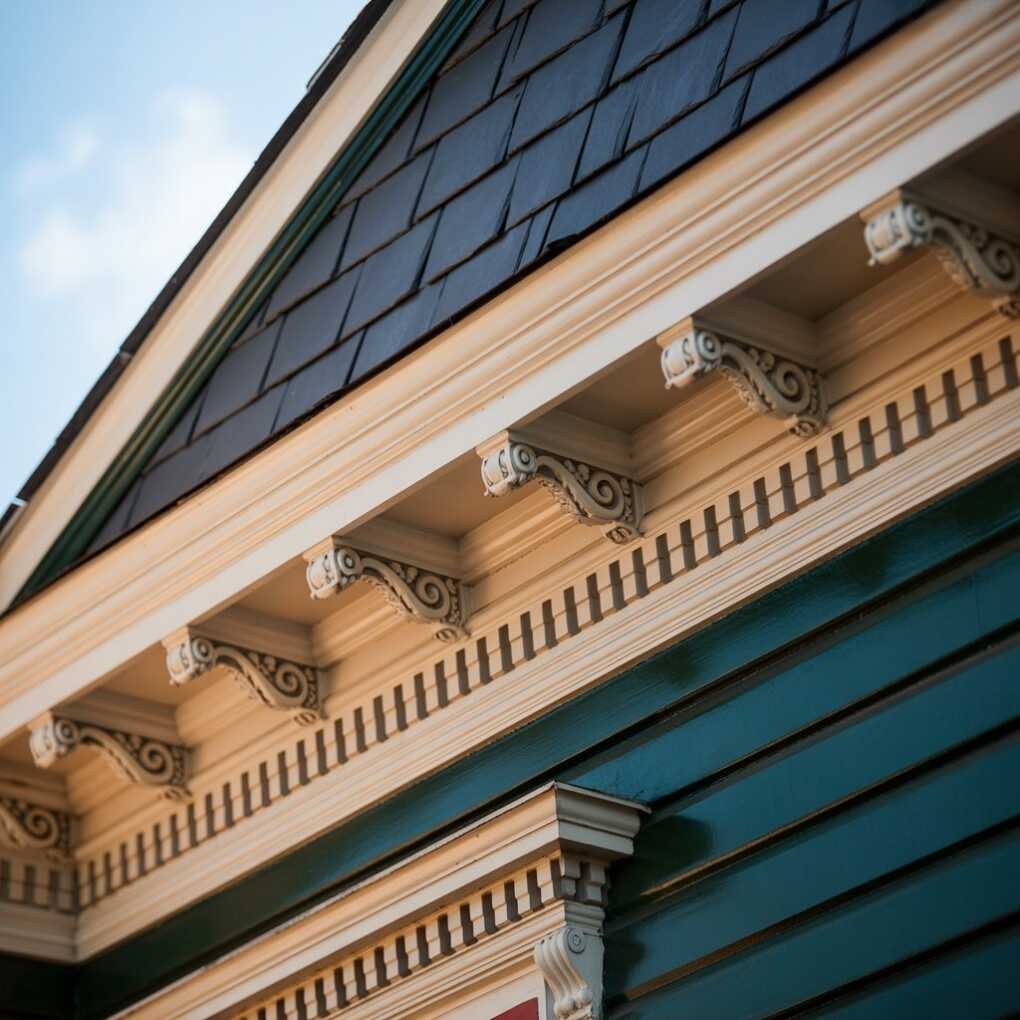
Understanding Roof Eaves Mould in Australia
Australia’s unique climate creates perfect conditions for roof eaves mould. Our coastal humidity. Those sudden downpours followed by baking sun. The way we build homes with limited ventilation in roof spaces. It’s a mould paradise. Especially in cities like Perth where seasonal humidity combines with everyday indoor moisture sources.
Think about it. Your roof eaves sit at the intersection of weather exposure and your home’s interior. They’re constantly battling moisture from rain, condensation, and even your daily activities like cooking and showering. Add in Australia’s intense UV exposure that degrades protective coatings over time. The result? Mould finds its way in. And once it does, it spreads fast.
According to mould remediation experts at Kleen Slate Services, “Roof mould can spread beyond what’s visible, creating hidden hazards that most homeowners miss during DIY removal attempts.”
Why Australian Homes Are Particularly Vulnerable
Our building practices contribute significantly to the problem. Many Australian homes feature:
- Limited roof ventilation
- Lightweight construction materials
- Energy-efficient designs that trap moisture
- Inadequate gutter systems
- Coastal exposure in populated areas
Pro Tip: The Hidden Mould Timeline
Did you know? Mould can begin growing within 24-48 hours of moisture exposure. That small roof leak you’re “getting to” could already be cultivating toxic colonies. WorkSafe Queensland recommends addressing water damage within this critical window to prevent mould establishment.
This isn’t just about looks. It’s structural integrity at risk. Mould doesn’t just sit there. It eats away at the materials it grows on. Timber framing. Insulation. Plasterboard. All vulnerable to mould’s destructive enzymes. And when it’s growing on your roof eaves? That’s your first line of defense against weather damage. Compromised.
The Dangerous Reality of DIY Mould Removal
You’ve seen the YouTube videos. Read the blog posts. “Just mix vinegar and water!” they say. “Bleach kills mould!” they claim. Here’s the uncomfortable truth: most DIY mould removal methods make the problem worse. Not better.
Health Hazards You’re Inviting
When you disturb mould colonies without proper containment, you’re essentially creating a toxic aerosol. Those tiny spores become airborne. They circulate through your home. Settle in your lungs. Trigger asthma attacks. Cause allergic reactions. For vulnerable individuals like children, the elderly, or those with compromised immune systems? The consequences can be severe.
Mould exposure symptoms include:
- Persistent coughing and wheezing
- Nasal congestion and sinus issues
- Throat irritation and hoarseness
- Eye and skin irritation
- Headaches and fatigue
- In severe cases, respiratory infections
Real-Life Consequence
A Melbourne family attempted DIY mould removal after noticing black patches on their roof eaves. Within days, their young child developed severe respiratory issues requiring hospitalization. Testing revealed dangerous levels of Stachybotrys chartarum (toxic black mould) throughout their home—spores they’d unknowingly spread during their “simple” cleaning attempt.
How Amateur Removal Spreads the Problem
Here’s what happens when you grab that bleach bottle:
- You spray the visible mould
- The pressure dislodges spores into the air
- These spores travel through your home
- They find new damp areas to colonize
- You’ve just multiplied your problem
Professional mould remediators work in contained environments with negative air pressure. They wear proper PPE. They understand mould behaviour. You? You’re likely just redistributing the problem while exposing yourself to health risks.
Structural Damage from Improper Techniques
Using bleach on roof eaves? Bad idea. Very bad. Bleach might kill surface mould, but it leaves behind moisture that actually feeds deeper growth. Plus, the chemicals can degrade roofing materials over time. We’ve seen cases where DIY attempts have:
- Weakened timber framing through chemical exposure
- Damaged protective coatings on metal components
- Created additional moisture retention points
- Caused paint and sealant failures
One homeowner in Brisbane used a pressure washer on mouldy eaves. Result? Water forced behind fascia boards. Created new moisture pockets. Within weeks, significant structural damage required costly repairs. All because they thought “more pressure = cleaner result.”
Understanding Your Roof Structure
Let’s get technical for a moment. Understanding what you’re dealing with matters. Roof eaves aren’t just decorative edges. They’re complex structural components with specific functions.
As building specialists at Hammer and Brush explain, “Understanding the difference between eaves and soffits is crucial for proper maintenance and mould prevention.”
Key Roof Components Vulnerable to Mould
| Component | Function | Mould Vulnerability |
|---|---|---|
| Eaves | Overhanging roof edge | High – exposed to weather |
| Soffit | Underside of eaves | Very High – traps moisture |
| Fascia | Vertical board behind gutter | High – water runoff exposure |
| Barge | Gable end overhang | Medium – depends on exposure |
| Rafters | Structural roof support | Extreme – hidden damage |
When mould takes hold on your roof eaves, it’s not just affecting the visible surfaces. It’s working its way into every nook and cranny. Finding timber to feast on. Spreading through microscopic cracks. Creating colonies you can’t see.
The Moisture Trap
Here’s why roof eaves are mould magnets:
- They’re designed to catch and redirect water (which means they’re always damp)
- Limited airflow underneath creates stagnant conditions
- Sun exposure dries the top but not the hidden underside
- Gutter overflow regularly splashes moisture onto eaves
- Australian building practices often lack adequate ventilation here
Most homeowners never check their roof eaves properly. Out of sight, out of mind. Until the mould becomes visible. By then, the damage is often significant. Hidden rot. Compromised structural elements. Costly repairs that could have been prevented.
The Professional Advantage: Why Experts Deliver Real Results
So what makes professional mould remediation different from your DIY attempt? Everything. Professionals don’t just clean surfaces. They solve the problem. Permanently.
Complete Removal vs. Surface Cleaning
This is critical. Most DIY methods only address visible mould. Professionals tackle the entire colony—including hidden roots and spores. They use specialized equipment like:
- HEPA vacuum systems to capture 99.97% of airborne particles
- Moisture meters to detect hidden dampness
- Thermal imaging cameras to find concealed growth
- Air scrubbers to clean circulating air
- Industrial-grade antimicrobial solutions
Where you see a black patch, they see an ecosystem. They understand that effective mould removal requires addressing both the symptom (visible growth) and the cause (moisture source).
Long-Term Prevention Strategies
Professionals don’t just clean and leave. They implement solutions to prevent recurrence:
- Identifying and fixing moisture sources
- Improving ventilation in problem areas
- Applying antimicrobial coatings
- Recommending building modifications
- Providing maintenance schedules
Pro Tip: The Ventilation Fix
Many Australian homes suffer from inadequate roof space ventilation. Professionals often install additional vents or ridge vents to create proper airflow. This simple modification can reduce moisture buildup by up to 60%, dramatically decreasing future mould risk.
Australian Safety Standards and Compliance
Mould remediation isn’t just about cleaning. It’s about doing it safely and legally. Professionals follow strict Australian standards including:
- AS 4361.2-2018 Guide to mould growth, detection and assessment
- WorkSafe Queensland guidelines for mould cleanup
- National Construction Code requirements
- Proper disposal regulations for contaminated materials
Attempting DIY remediation of significant mould problems can actually violate safety regulations. In commercial properties, this carries legal liability. Even in residential settings, improper handling can affect insurance claims if mould causes further damage.
When to Call the Professionals: Your Decision Checklist
How do you know when it’s time to call the experts? Use this simple guide:
✅ Call a professional immediately if:
- Mould covers more than 1 square meter
- You see mould in your HVAC system
- Family members experience health issues
- The mould keeps returning after cleaning
- You suspect hidden growth behind walls
- The moisture source isn’t obvious
❌ DIY might be acceptable only if:
- Area is very small (less than 0.5m²)
- Location is easily accessible
- No one in household has health concerns
- You can identify and fix the moisture source
- You have proper PPE and containment setup
Most roof eaves mould fails this DIY test. Why? Because roof eaves are hard to access properly. They often indicate larger moisture issues. And the area affected is usually larger than it appears.
The Cost of Inaction: Why Waiting Is Your Worst Option
Let’s talk money. You’re thinking “I’ll just wait and see.” Bad move. Every day you delay professional treatment, the problem grows. Literally.
Financial Impact Comparison
| Time Period | Potential Damage | Estimated Cost |
|---|---|---|
| Immediate action | Surface mould only | $500-$1,500 |
| 1-2 weeks | Hidden growth begins | $1,500-$3,000 |
| 1 month | Structural compromise | $3,000-$8,000 |
| 3+ months | Major repairs needed | $8,000+ |
That small patch you’re ignoring? Could cost you ten times more in a few months. Professionals don’t just clean mould. They preserve your home’s value. Protect your health. Save you money long-term.
Conclusion: Your Home Deserves Professional Care
Roof eaves mould isn’t a “maybe later” problem. It’s an urgent issue requiring expert attention. That dark patch isn’t just ugly. It’s a warning sign. A symptom of deeper issues threatening your home and health.
Professional mould remediation isn’t an expense. It’s an investment. In your family’s wellbeing. In your property’s longevity. In peace of mind knowing the job’s done right.
Don’t gamble with your home. Don’t risk your health. Call the professionals who understand Australian conditions. Who know how to properly assess, treat, and prevent roof eaves mould. Before that small patch becomes a major crisis.
Your roof protects you from the elements. Make sure it’s protected from mould. Because when it comes to your home, there’s no such thing as “good enough” mould removal. Only proper remediation.
Remember: what you see is never the whole story with mould. The real damage is hidden. The real risk is inaction. The real solution? Professional help. Today. Not tomorrow. Not next week. Today.
That’s not fearmongering. That’s the reality Australian homeowners face with roof eaves mould. And it’s why smart homeowners choose professional remediation every time. They know the true cost of “saving” a few dollars now could be thousands later. Or worse—health consequences that money can’t fix.
So next time you spot that dark patch on your roof line? Don’t reach for the bleach. Reach for the phone. Call the experts. Because your home—and your health—deserve nothing less.