
You wake up one spring morning. Sunshine streams through your windows. Or should. Instead, everything looks hazy. Like someone smeared Vaseline on the glass. You grab a towel. Wipe harder. The film won’t budge. Sound familiar? It’s not your fault. It’s the trees.
Charlotte homeowners curse this every March. The Woodlands residents sigh at the yellow gunk coating their panes. Even White Plains NY neighborhoods with towering oaks battle this invisible enemy. Pollen and sap don’t just land on your windows—they attack. And if you’re nodding right now, you need the best window washing company in White Plains before summer turns your glass into a science experiment.
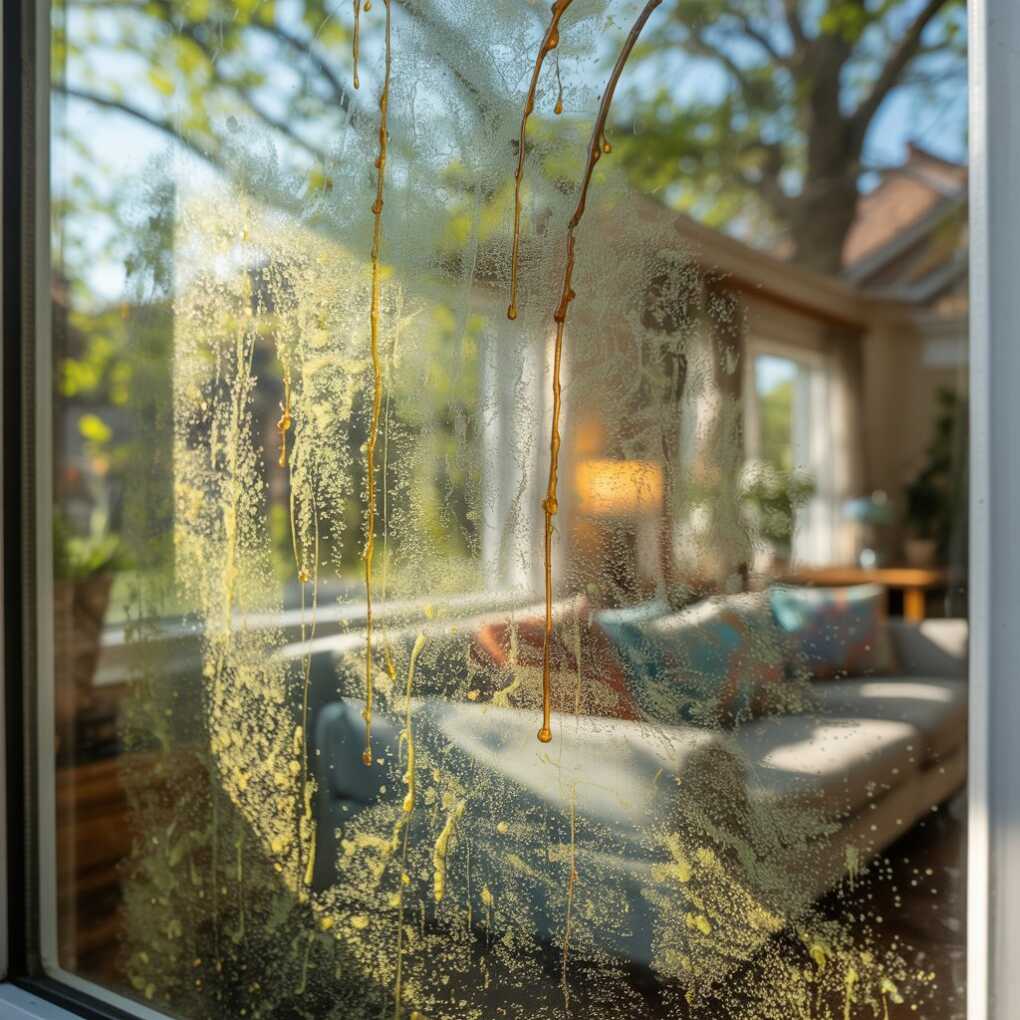
The Invisible Attack: How Trees Target Your Windows
Trees are nature’s air filters. They catch dust, pollution, and pollen mid-flight. Great for lungs. Terrible for windows. Those tiny particles? They hitch rides on wind currents until they smack into your glass. Microscopic ridges on the surface trap them like flypaper. Static electricity pulls more gunk toward the pane. It’s a silent invasion.
Rain makes it worse. Water droplets grab pollutants as they fall. Then they bake onto your windows under the sun. Pollen mixes with moisture. Forms a sticky paste. Sap drifts down like invisible rain. Hardens into cement. Homeowners in shaded areas suffer most. Less sun = slower drying. More gunk sticks. It’s why window cleaning services in tree-heavy zones get booked months ahead.
“Pollen buildup isn’t just ugly—it’s acidic. Left too long, it etches glass permanently.”
— Window Hero Charlotte windowhero.com
Why You Can’t Just Wipe It Away
Try cleaning sap with a dry cloth. You’ll smear it. Worse—you’ll scratch the glass. Pollen? Forget soap and water. Hard water minerals leave spots on top of the pollen film. It’s a disaster. Most DIY methods fail because they ignore the chemistry of the gunk. Sap needs solvents. Pollen needs pH-balanced cleaners.
Here’s what happens when you wing it:
| Method | Result | Long-Term Damage |
|---|---|---|
| Dry cloth | Smears sap into streaks | Micro-scratches |
| Vinegar + water | Works on light pollen | Weak against hardened sap |
| Pressure washing | Blasts off debris | Risks sealant damage |
| Pro cleaning | Streak-free shine | Prevents etching |
Pro Tip: Never use razor blades on sap. They leave hairline scratches that trap more dirt. Wait for cool, cloudy days to clean. Direct sun dries solutions too fast—causing streaks.
Pollen: Nature’s Sticky Glitter
Spring isn’t just for flowers. It’s pollen apocalypse. Trees blast out 10–100-micrometer grains. That’s smaller than a human hair. One cubic meter of air? Holds thousands of grains. They float. Settle. Stick to damp glass. Mix with dew. Create a hazy film.
Your windows become a pollen sandwich. Layer upon layer. Each rainstorm bakes it tighter. By May, it’s not dust—it’s concrete. Skip cleaning? You’ll pay later. The American Lung Association warns: pollen on sills worsens indoor allergies. Plus, acidic compounds in pollen + pollution eat at glass. Permanent stains follow.
Seasonal Breakdown: When Trees Declare War
| Season | Main Threat | What Happens |
|---|---|---|
| Spring | Pollen explosion | Yellow film hardens in 72 hours |
| Summer | Sap + insects | Sticky droplets attract dirt |
| Fall | Tannins from leaves | Rainwater stains glass brown |
| Winter | Bird droppings | Acidic residue etches glass |
Charlotte’s oak trees? They drip sap all summer. The Woodlands’ pine forests? Pollen bombs in April. White Plains’ maple-lined streets? Fall brings tannin-stained windows. It’s not random. It’s geography.
“Homes under dense canopies need 2x more cleanings. Shade = slower drying = faster buildup.”
— ArticleCube articlecube.com
Sap: The Silent Glass Assassin
Sap isn’t just sticky. It’s sneaky. You won’t see it falling. It drifts as mist. Lands clear. Dries clear. Then—bam—it bonds to glass. Sunlight turns it into a UV-resistant glue. Try wiping it? You’ll leave ghost streaks.
Here’s why sap wins:
- It seeps into micro-scratches
- Hardens like plastic
- Attracts more dirt (it’s literally designed to trap particles)
- Resists water-based cleaners
London window cleaners found 63% of “streaky window” calls were sap-related. Not dirt. Not hard water. Sap. And most homeowners waited too long. Once sap cures, removal risks scratches. Prevention? Key.
How to Spot Sap Before It’s Too Late
🔍 Click to reveal hidden signs
- Raindrops bead unevenly (sap repels water)
- Windows look dusty even after rain
- Faint oily residue when touched
- Streaks reappear overnight after cleaning
Pro Tip: Test for sap with rubbing alcohol. Dab a corner. If gunk dissolves immediately, it’s sap. If not? Pollen or hard water. Different enemy. Different battle plan.
Why DIY Cleaning Backfires (And What Works)
You grab vinegar. Spray. Wipe. Looks better—for 10 minutes. Then the haze returns. Why? Vinegar temporarily breaks down pollen. But sap? Nope. Sap needs solvents like isopropyl alcohol. Which most homeowners don’t have. Or they use too much. Strip protective coatings. Damage seals.
❌ Common mistakes that ruin windows
- Using newspaper → Leaves ink residue in crevices
- Scrubbing with paper towels → Creates micro-scratches
- Cleaning in direct sun → Solutions dry too fast = streaks
- Ignoring frames → Pollen traps in tracks = constant recontamination
The Pro Method: How Experts Beat Tree Gunk
- Pre-rinse with purified water (no minerals = no spots)
- Apply pH-neutral cleaner (safe for glass + frames)
- Gentle agitation with microfiber (no scratches)
- Squeegee from top to bottom (one pass only)
- Final rinse with filtered water (streak-free finish)
White Plains window cleaners add a secret step: filtered water-fed poles. Why? Tap water in NY has iron. Leaves orange spots. Filtered water evaporates cleanly. No wiping needed. It’s why commercial buildings downtown stay spotless year-round.
“Residential window cleaning isn’t just about looks. It’s glass preservation.”
— Window Hero The Woodlands windowhero.com
When to Call the Cavalry (Before It’s Too Late)
See brown stains? That’s tannins from oak leaves. Permanent if ignored. Sap spots that won’t budge? Already etching the glass. Pollen film that feels gritty? It’s grinding micro-scratches into the pane. Waiting = expensive replacements.
🚨 Emergency signs your windows need pro help
- Rain leaves permanent streaks
- Glass feels rough (not smooth)
- Discoloration that won’t scrub off
- Sealant looks cracked or peeling
Why White Plains Homeowners Trust CAPPCO
White Plains is unique. Downtown traffic = exhaust film. Suburban trees = pollen bombs. Historic districts = fragile frames. CAPPCO gets it. They use:
- Eco-safe solvents (no toxic runoff near gardens)
- Water-fed poles (safe for multi-story homes)
- Filtered rinse systems (zero hard water spots)
- Frame deep-cleaning (stops recontamination)
One client in Mamaroneck Avenue said: “After CAPPCO cleaned my windows, my house felt 20% brighter. Like living in a new home.” That’s the power of real cleaning—not just wiping.
Pro Tip: Schedule cleanings before peak seasons. Book in February for spring pollen. August for fall leaf drop. Beat the rush. Avoid 3-month waits.
The Real Cost of Ignoring Tree Gunk
Think skipping cleanings saves money? Wrong. Pollen + moisture = acid etching. Sap = permanent haze. Tannins = brown stains. Once glass is damaged, replacement costs $500+ per window. Regular cleanings? $150–$300 for the whole house.
| Issue | DIY Cost | Pro Cost | Long-Term Savings |
|---|---|---|---|
| Pollen film | $20 (vinegar) | $150 | Prevents $500+ etching |
| Sap removal | $30 (alcohol) | $200 | Avoids $700 haze damage |
| Tannin stains | $0 (ignored) | $250 | Stops $1,000 replacement |
Your windows are an investment. Treat them like one.
Final Truth: Trees Are Beautiful. But Your Glass Pays the Price.
You love your trees. The shade. The beauty. The birds. But that luxury comes with a tax—on your windows. Pollen. Sap. Leaves. They’re not “just dirt.” They’re slow-motion destroyers. Waiting until windows look bad? Too late. Damage is already done.
Start now. Clean gently. Schedule pro help before spring hits. Protect your view. Your light. Your home’s value. And if you’re in White Plains? Call the best window washing company in White Plains. Your future self will thank you when neighbors are still scrubbing yellow gunk off their panes.
“Clear windows aren’t a luxury. They’re a necessity for healthy homes.”
— London Window Cleaners london-window-cleaners.co.uk
Got sap on your windows right now? Try this: Dampen a microfiber cloth with 70% isopropyl alcohol. Gently rub the spot. Wipe dry immediately. Works 80% of the time. But if it’s hardened? Stop. Call a pro. One wrong move and you’ll scratch it for good. Trust us. We’ve seen it happen. 😅