
Many homeowners only realise something is wrong with their garden after the money has already been spent. A renovation may look fine at first, but within months issues start to appear, plants fail, drainage problems emerge and the space doesn’t function the way it was intended.
Over years of professional landscape design, the same costly mistakes come up again and again. These errors are rarely about poor taste. More often, they come from rushed decisions, short-term thinking or skipping important planning steps.
Your garden is a significant investment in your home and lifestyle. When it’s designed well, it adds long-term value and enjoyment. When it’s designed poorly, it can become an expensive source of frustration. Here are five of the most expensive garden design mistakes homeowners make, and how to avoid them.
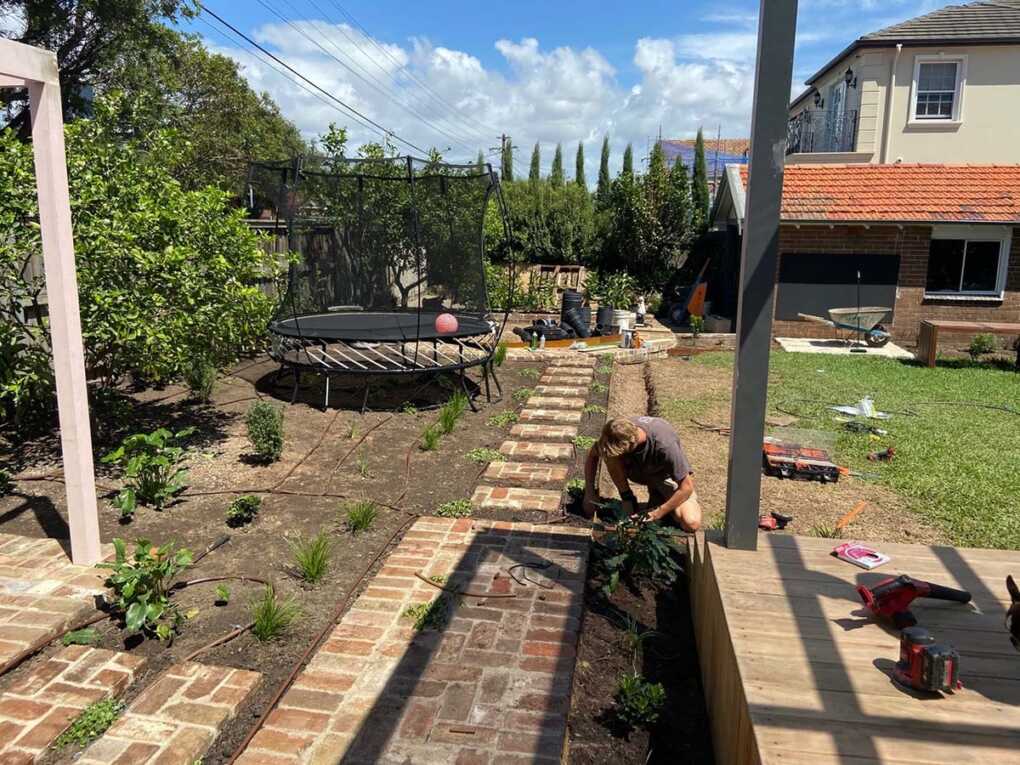
Mistake #1: Starting without a comprehensive plan
Cost: $5,000–$20,000
Why this happens
Many projects begin with individual purchases, plants, paving or features, without an overall plan. A bit by bit approach can feel flexible, but it often leads to decisions that conflict with each other.
What it actually costs
Elements are installed in the wrong locations, plants don’t suit the final layout and structural issues are discovered after work has started. This frequently results in removing and reinstalling work that could have been avoided.
How to avoid it
Start with a master plan for the whole property, even if work is staged. A clear layout and design direction ensures every decision supports the overall outcome.
The reality: A modest investment in planning can prevent significant rework and wasted spending.
Mistake #2: Ignoring drainage, levels and site conditions
Cost: $15,000–$40,000
Why this happens
Drainage and site levels are often overlooked in favour of visible finishes and features. Homeowners may underestimate how much water moves through their property during heavy rain.
What it actually costs
Water pooling near foundations, retaining walls leaning under water pressure, paving shifting, and plants failing in poorly drained areas. In serious cases, finished gardens need to be excavated to install proper drainage.
How to avoid it
Assess drainage and levels before construction begins. Understand natural water flow and ensure surfaces are graded to direct water away from buildings and usable spaces. Retaining walls must include proper drainage behind them.
The reality: Good site analysis upfront prevents major structural and repair costs later.
Mistake #3: Choosing plants for looks instead of conditions
Cost: $3,000–$10,000
Why this happens
It’s common to select plants based on appearance at a nursery or inspiration photos, without considering whether they suit the site’s sun, shade, soil, wind and moisture conditions.
What it actually costs
Plants that struggle or die within a year or two, repeated replacement and ongoing frustration. Many homeowners end up paying twice, once for unsuitable plants and again to replace them with better options.
How to avoid it
Observe your site carefully and select plants suited to your specific conditions and realistic maintenance capacity. Climate-appropriate plants generally establish more easily and perform better long term.
The reality: The right plant in the right place will thrive for years with far less cost and effort.
Mistake #4: Skimping on structural work and materials
Cost: $20,000–$60,000
Why this happens
Structural work such as retaining walls, paving, and decking can be expensive, leading some homeowners to choose cheaper materials or less experienced contractors to reduce upfront costs.
What it actually costs
Cracked paving, leaning retaining walls, rotting timber and premature failure. When removal and rebuilding is required, total costs often exceed what proper construction would have cost initially.
How to avoid it
Invest in quality materials and experienced installation for structural and high-traffic areas. If budget is limited, stage the project rather than compromising on build quality.
The reality: Quality work lasts longer, performs better and is more cost-effective over the life of the garden.
Mistake #5: Designing for the photo, not your lifestyle
Cost: $5,000–$15,000
Why this happens
Some gardens are designed for visual impact rather than everyday use. Features that look impressive in photos don’t always suit how people actually live.
What it actually costs
Outdoor areas that are too small, high-maintenance planting that becomes a burden and layouts that don’t support entertaining, family use or relaxation. Over time, many homeowners redesign to make the garden more practical.
How to avoid it
Design around real lifestyle needs, how you entertain, relax, maintain and use your outdoor space. Prioritise functionality alongside aesthetics.
The reality: Gardens designed for real use are more enjoyable, easier to maintain and deliver better long-term value.
These five mistakes can easily add up to $35,000, $50,000, or more in avoidable costs. In most cases, the underlying issue is short-term thinking and lack of proper planning.
A well-designed garden should feel effortless to live with. It should work with the site, the home and the lifestyle of the people using it. When those fundamentals are right, a garden becomes a long-term asset rather than an ongoing expense.
Taking the time to plan properly, investing in quality where it matters, and designing for real use will always lead to better outcomes, financially and practically.
If you liked this article, please visit my website to read the full version.